
Fence Replacement Before Winter in Roscoe, IL: Signs Your Yard Needs an Upgrade
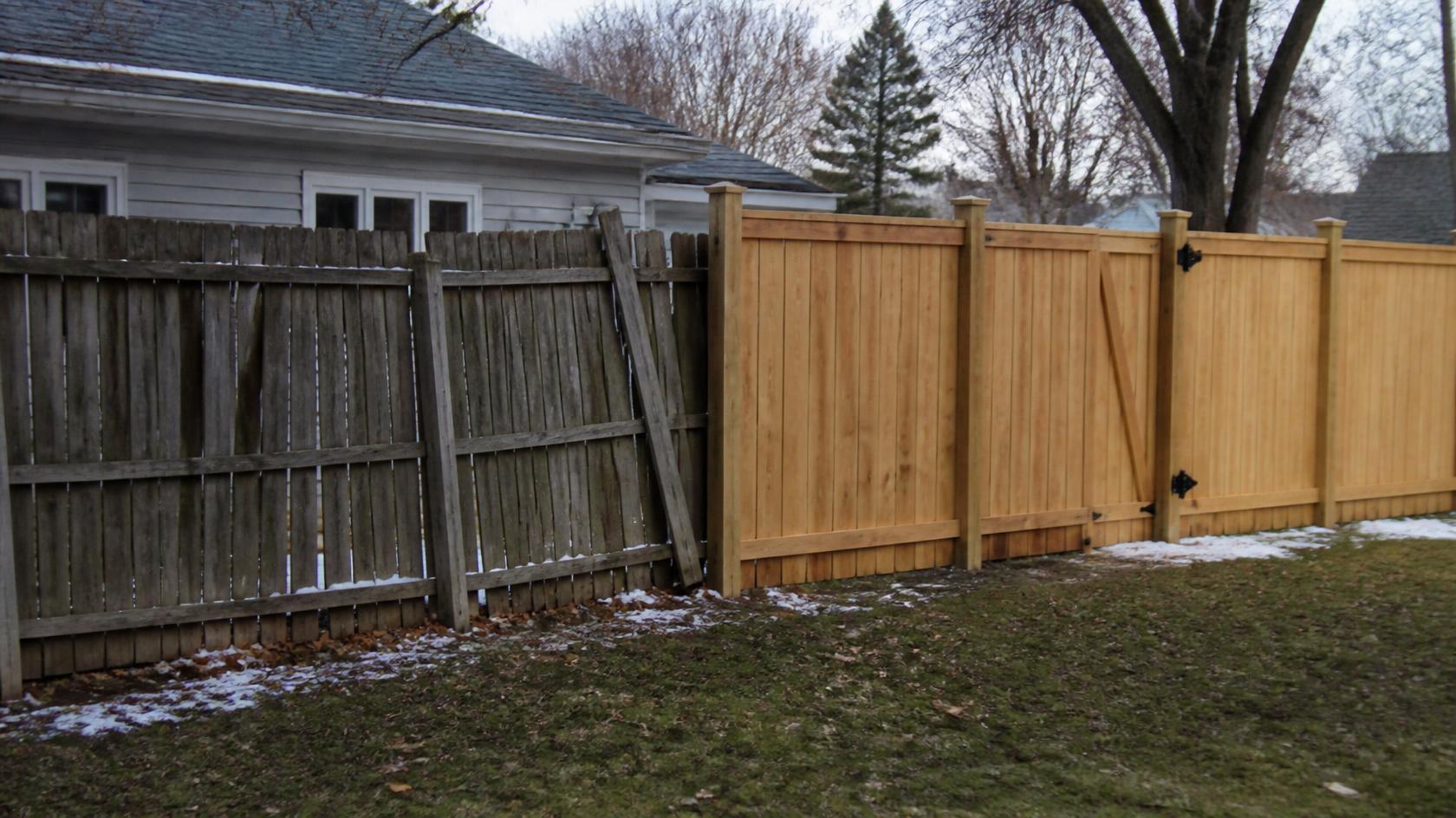
A fence does not always need full replacement because of one damaged board or loose gate. But when Roscoe homeowners notice multiple failing posts, widespread rot, leaning sections, recurring gate problems, damaged panels, or a layout that no longer provides enough privacy or pet security, replacement may make more sense than repeated repairs. Fall is a useful time to evaluate the fence before winter weather makes existing problems harder to manage.
When Is Fence Repair No Longer Enough?
Many fence problems can be repaired individually.
A loose board, damaged latch, or isolated weak post does not automatically mean the entire fence needs replacement.
Replacement becomes more practical when problems are:
Widespread
Structural
Repeated
Affecting several sections
Compromising privacy
Creating pet escape points
Making gates unreliable
The condition of the complete fence matters more than one visible problem.
Several Posts Are Leaning
One leaning post may be repairable.
Several leaning posts can indicate a larger structural issue.
Look for posts that:
Tilt noticeably
Move when lightly pushed
Have exposed footings
Sit in eroded soil
Show rot near the base
Pull connected sections out of alignment
Fence posts support everything around them.
When multiple posts begin failing, repairing one at a time may become less practical than replacing the affected fence line.
Large Sections Are Starting to Lean
A fence should follow the planned line consistently.
If entire sections are leaning, the problem may involve:
Weak posts
Failed footings
Soil movement
Deteriorated rails
Wind damage
Long-term structural wear
A slightly uneven fence may only need adjustment.
Sections that continue shifting after repairs deserve a more complete evaluation.
Wood Rot Appears in Multiple Areas
Wood fencing naturally requires periodic maintenance, but widespread rot is different from normal weathering.
Check:
Bottom edges of boards
Posts near soil level
Rails
Gate frames
Areas near dense vegetation
Warning signs include:
Soft wood
Crumbling areas
Deep cracking
Missing material
Boards that no longer hold fasteners securely
Replacing individual boards may work when damage is isolated.
When rot affects posts, rails, and multiple sections, replacement may be the more dependable long-term option.
Repairs Are Becoming Frequent
A fence that needs a small repair every few years may still have plenty of useful life.
A fence that needs attention every season may be telling a different story.
Repeated issues can include:
Loose boards
Sagging gates
Shifting posts
Broken rails
Bent sections
Failing hardware
Homeowners should consider whether each repair is solving the underlying problem or simply delaying another failure.
The Gate Never Stays Aligned
Recurring gate problems can indicate more than worn hinges.
If a gate repeatedly:
Sags
Drags
Stops latching
Shifts after adjustment
Develops large side gaps
the supporting posts or surrounding fence may also be moving.
Gate posts handle additional weight and repeated movement, so problems often become noticeable there first.
If nearby fence sections are also deteriorating, replacing the gate alone may not solve the larger issue.
The Fence No Longer Keeps Pets Secure
A fence can still look acceptable while no longer providing reliable pet containment.
Check for:
Large ground gaps
Loose boards
Bent mesh
Broken panels
Weak gates
Unreliable latches
Sections that are too low for the pet
As dogs grow or their behavior changes, an older fence design may no longer work.
A replacement project can be an opportunity to choose:
Greater height
Stronger visual screening
Better gate placement
Smaller ground gaps
A material better suited to the pet
Privacy Is No Longer Adequate
Privacy needs can change over time.
Maybe neighboring landscaping was removed, a nearby property changed, or gaps have developed in an older fence.
If the existing fence no longer screens:
Patios
Decks
Side yards
Neighboring windows
Outdoor seating areas
replacement may offer a chance to rethink both material and layout.
Some yards may benefit from full privacy, while others need screening only in selected areas.
Storm Damage Affects Multiple Sections
Roscoe fences experience wind, rain, snow, ice, and storms throughout the year.
After severe weather, inspect for:
Leaning posts
Broken boards
Cracked vinyl
Bent chain link
Damaged rails
Fallen branches
One damaged section may be repairable.
If several areas were already aging and storm damage affects them at once, replacement may be more practical.
Drainage Has Created Ongoing Problems
Water can gradually affect fence stability.
Watch for:
Soil erosion
Standing water
Exposed footings
Mud around posts
Repeated gate movement
Ground gaps
Replacing the fence without addressing drainage may allow the same problems to return.
Before replacement, identify where water moves through the property and whether the layout or grading needs attention.
Winter Can Expose Weak Fence Sections
A fence that already has structural problems may face additional stress from:
Wind
Snow
Ice
Frozen soil
Freeze-thaw cycles
Falling branches
Fall provides a useful opportunity to identify weak sections while the fence line is still easy to inspect.
Replacing or repairing serious problems before winter may also help avoid emergency work during colder conditions.
Widespread Rust or Bent Chain Link
Chain link fencing can last for many years, but damaged components still need attention.
Consider replacement when there is widespread:
Bent mesh
Loose tension
Damaged rails
Leaning terminal posts
Corrosion
Gate failure
A localized damaged area may be repairable.
If the framework and mesh are failing across long sections, a larger replacement project may make more sense.
Vinyl Panels Are Repeatedly Breaking
Vinyl generally requires less surface maintenance than wood, but damaged panels or rails still need repair.
Look for:
Cracked panels
Broken rails
Loose connections
Leaning posts
Repeated gate problems
One damaged component may be replaceable.
Multiple failures, especially combined with post movement, may justify replacing a larger section.
The Fence Layout No Longer Works
Sometimes the material is not the main problem.
The layout itself may no longer fit the household.
Examples include:
Gates that are too narrow
No access for a riding mower
Poor patio privacy
A pet area that is too small
Fencing that blocks useful yard space
Side-yard access that is inconvenient
Replacing an older fence creates an opportunity to redesign the property rather than simply copying the existing layout.
You Need a Wider Gate
Equipment and yard-use needs may change.
Homeowners may eventually need access for:
Riding mowers
Trailers
Landscaping equipment
Utility vehicles
Outdoor furniture
If the current gate is too narrow, replacement can be a chance to improve access.
Wider gates require strong posts, dependable hardware, and proper reinforcement.
Consider Upgrading to Wood Privacy Fencing
Wood can be a strong replacement option for homeowners who want:
Natural character
Strong privacy
Custom stains
Flexible design
Styles may include:
Solid vertical
Board-on-board
Shadowbox
Horizontal wood
Wood usually requires more routine maintenance than vinyl, but it offers substantial design flexibility.
Consider Vinyl for Lower Routine Maintenance
Vinyl may appeal to homeowners replacing an older wood fence because it does not require routine staining or painting.
Full-privacy vinyl can provide consistent screening around:
Backyards
Patios
Pet areas
Side yards
Semi-private and picket styles can be used where more airflow or visibility is desired.
Consider Chain Link for Practical Containment
Chain link may be a better replacement choice when the priority is:
Dogs
Long boundaries
Larger yards
Practical containment
It provides open visibility and airflow.
Black vinyl-coated chain link can blend more subtly into landscaping.
Consider Aluminum for Open Areas
Aluminum can work well when homeowners want a more decorative fence without blocking views.
It may be suitable around:
Gardens
Walkways
Landscaped areas
Patios
Pet owners should check picket spacing and ground clearance before choosing this material.
Mixed Materials Can Improve the New Layout
A replacement fence does not need to use one material everywhere.
A Roscoe homeowner might use:
Vinyl privacy near a patio
Wood along a shared boundary
Chain link around a dog area
Aluminum near landscaping
This allows different parts of the yard to serve different purposes.
Prepare the Yard Before Replacement
Old-fence removal and new installation are easier when the work area is clear.
Before the project begins, move:
Outdoor furniture
Toys
Hoses
Planters
Stored equipment
Trim shrubs, vines, and branches that interfere with the fence line.
Also identify:
Drainage areas
Slopes
Utilities
Gate access
Property boundaries
Good preparation can prevent unnecessary changes once installation starts.
Confirm Property Boundaries Before Rebuilding
Replacing an existing fence is a good time to confirm the actual property line.
Do not automatically assume the old fence is positioned correctly.
Review available:
Surveys
Property markers
Easements
Utility information
Applicable local requirements
Correcting the layout during replacement is easier than moving a completed fence later.
Think About Winter Access
If replacement happens in fall, plan how the new fence will function during winter.
Consider:
Snow storage
Gate access
Shoveled paths
Snowblower routes
Pet access
Avoid layouts where the primary gate will repeatedly be blocked by snow piles.
Repair or Replace? A Simple Checklist
Repair may make sense when:
Damage is isolated
Posts are generally stable
Most sections remain sound
Gates can be adjusted
The layout still works
Replacement may be worth considering when:
Multiple posts are failing
Rot or damage is widespread
Large sections are leaning
Repairs keep returning
Gates no longer stay aligned
Pet containment is unreliable
Privacy is inadequate
The layout no longer fits the property
The overall condition should guide the decision.
Request a Free Fence Replacement Estimate
Arrow Fence helps Roscoe homeowners evaluate aging, damaged, or outdated fencing before winter.
Whether your current fence has leaning posts, failing gates, widespread damage, poor privacy, or a layout that no longer works, Arrow Fence can help you compare repair and replacement options for your yard.
Contact Arrow Fence at arrowfencerockford.com to request a free estimate for your fence replacement project.
