
Fence Replacement in Clinton, WI: Signs Your Fence Needs an Upgrade
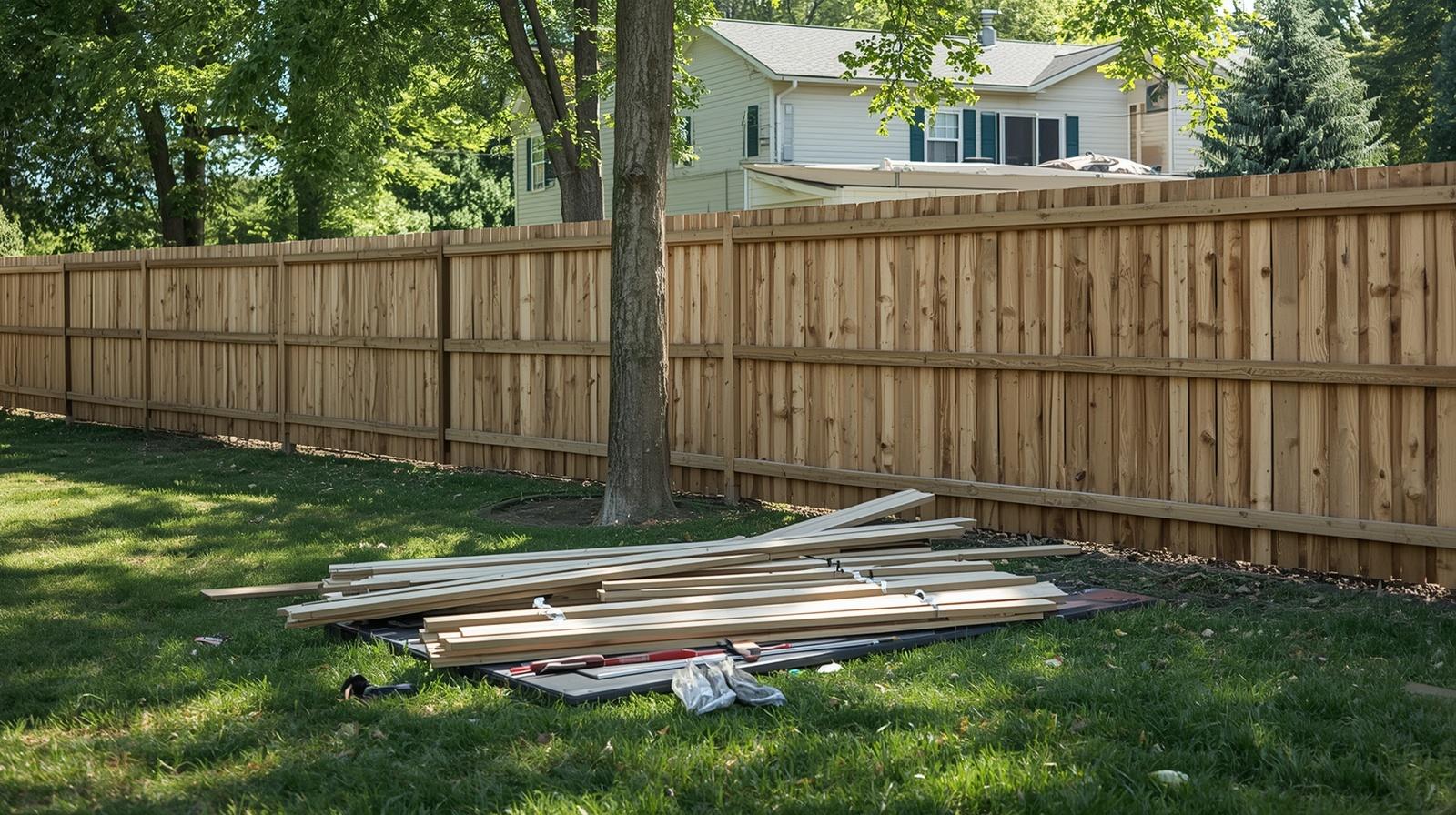
Fence replacement in Clinton, WI may be the best option if your fence has multiple leaning posts, widespread rot, broken panels, sagging gates, storm damage, rust, or repeated repair needs. While small issues can often be fixed, replacement usually makes more sense when the fence is old, unstable, unattractive, or no longer doing its job. Most residential fence replacements cost $25–$65 per linear foot, depending on material, height, yard size, gates, removal needs, and site conditions.
Why Fence Replacement Matters in Clinton, WI
A fence plays an important role in your property. It provides privacy, security, pet containment, curb appeal, and clear boundaries. Over time, though, even a well-built fence can wear down from age, weather, soil movement, and everyday use.
In Clinton, WI, fences must handle Midwest conditions such as:
Freezing winter temperatures
Snow and ice buildup
Spring rain and muddy soil
Freeze-thaw cycles
Summer sun and humidity
Strong seasonal winds
Soil movement around posts
These conditions can cause posts to shift, wood to rot, gates to sag, and panels to weaken. At some point, repeated repairs may no longer be worth the cost. A full fence replacement can restore function, improve appearance, and give your property a stronger long-term solution.
Repair vs Replace: How to Decide
Not every damaged fence needs to be replaced. If the problem is small and the rest of the fence is still stable, repair may be the better option.
Repair May Be Enough If:
Only one or two boards are damaged
A single gate needs adjustment
One post is leaning
Hardware is loose
Damage is limited to one section
The fence is fairly new
Small repairs can extend the life of your fence without the cost of full replacement.
Replacement May Be Better If:
Multiple posts are leaning
Several panels are damaged
Wood rot is widespread
Gates no longer align
The fence is over 15–20 years old
Repairs are becoming frequent
The fence no longer provides privacy or security
Repair costs are approaching replacement cost
If the fence has structural problems across multiple sections, replacement is usually the smarter long-term choice.
1. Your Fence Is Leaning in Multiple Areas
A leaning fence is one of the clearest signs that replacement may be needed. One leaning post can often be repaired, but several leaning sections usually point to a larger structural issue.
Common causes include:
Shallow post holes
Failed concrete footings
Soil movement
Rot at the base of wood posts
Wind pressure
Poor drainage
If posts are leaning in several places, the fence may no longer be stable. Replacing the fence allows new posts to be set properly and gives the structure a fresh start.
2. Wood Rot Is Spreading
Wood fencing is attractive and traditional, but it is vulnerable to moisture. In Clinton’s climate, snow, rain, and humidity can cause wood to rot over time.
Signs of wood rot include:
Soft or crumbling boards
Dark staining near the ground
Splitting or cracking
Loose fasteners
Posts breaking at the base
Boards pulling away from rails
If only a few boards are affected, repairs may work. If rot has spread through posts, rails, and panels, replacement is usually more cost-effective.
3. Panels Are Broken or Missing
A few broken boards may be easy to replace. But if multiple panels are cracked, warped, missing, or pulling loose, the fence may be near the end of its service life.
Broken panels can cause:
Loss of privacy
Pet escape risks
Reduced security
Poor curb appeal
More stress on nearby posts
Faster spreading damage
Replacing the entire fence can restore a consistent appearance and improve strength across the whole fence line.
4. Gates Are Sagging or Hard to Use
Gates often show fence problems first because they move every day. A gate that drags, sticks, swings open, or will not latch properly may signal shifting posts or weak framing.
Common gate problems include:
Hinges pulling loose
Latches not lining up
Gate frames sagging
Posts leaning inward
Hardware rusting
Gaps growing unevenly
If the gate itself is the only issue, repair may be enough. But if the gate posts or nearby sections are failing, replacement may be the better solution.
5. Repairs Are Becoming Too Frequent
If you are repairing the fence every season, replacement may save money over time. Frequent repairs are often a sign that the fence is aging throughout the structure, not just in one spot.
Repeated repairs may include:
Replacing boards
Resetting posts
Adjusting gates
Reattaching panels
Fixing rails
Adding temporary braces
At some point, patching an old fence becomes less practical than installing a new one built to last.
6. The Fence No Longer Provides Privacy
Privacy fences are meant to create a comfortable outdoor space. If your fence has gaps, warped boards, broken panels, or uneven sections, it may no longer provide the privacy you want.
This is especially important for:
Backyards
Pools
Patios
Decks
Pet areas
Outdoor entertaining spaces
Replacing an old fence with a new wood or vinyl privacy fence can make your yard feel more comfortable, secure, and usable.
7. Storm Damage Has Weakened the Fence
Storms can cause serious fence damage, especially when wind, rain, heavy snow, or falling branches are involved.
Storm damage may include:
Broken posts
Cracked panels
Fallen sections
Bent chain link
Damaged gates
Loose rails
Large branches hitting the fence
If storm damage affects only one section, repair may be enough. If the fence was already old or weak, a storm may reveal that full replacement is needed.
8. Your Fence Looks Outdated
Sometimes replacement is not only about damage. An old fence can make a property look worn, even if it is still standing.
You may want to replace your fence if it has:
Faded material
Mismatched repairs
Warped boards
Rust stains
Peeling paint
Uneven height
Outdated style
A new fence can improve curb appeal and make the property feel cleaner, newer, and better maintained.
9. The Fence Material No Longer Fits Your Needs
Your original fence may have worked years ago, but your needs may have changed.
You may now want:
More privacy
Better pet containment
Less maintenance
A stronger gate
Improved curb appeal
Pool safety
A longer-lasting material
For example, many homeowners replace aging wood fences with vinyl for lower maintenance. Others replace chain link with privacy fencing for better backyard comfort.
Best Fence Replacement Materials
Wood Fencing
Wood is a good option for homeowners who want privacy, customization, and a natural appearance.
Best for:
Traditional backyards
Privacy fences
Custom designs
Natural style
Wood usually costs less upfront but requires staining, sealing, and maintenance.
Vinyl Fencing
Vinyl is a strong option for homeowners who want privacy with less maintenance.
Best for:
Low-maintenance privacy
Moisture resistance
Clean appearance
Long-term durability
Vinyl costs more upfront than wood but does not need painting, staining, or sealing.
Aluminum Fencing
Aluminum is best for decorative boundaries, pool areas, and open visibility.
Best for:
Front yards
Pool fencing
Gardens
Decorative property lines
Aluminum is low maintenance and rust-resistant, but it does not provide privacy.
Chain Link Fencing
Chain link is practical and budget-friendly.
Best for:
Pet containment
Large yards
Utility areas
Budget-conscious projects
Chain link does not offer much privacy unless privacy slats are added.
Fence Replacement Cost in Clinton, WI
Fence replacement cost depends on material, linear footage, height, gates, terrain, and removal of the old fence.
Typical installed cost ranges include:
Chain link: $15–$35 per linear foot
Wood: $25–$55 per linear foot
Vinyl: $30–$65 per linear foot
Aluminum: $35–$70 per linear foot
Old fence removal may add $3–$10 per linear foot, depending on material and condition.
Most homeowners should also budget for:
Gates
Hardware
Concrete footings
Permit requirements
Site preparation
Cleanup
Property line verification
What to Expect During Fence Replacement
A typical fence replacement project includes:
Reviewing the old fence condition
Choosing the new fence material and layout
Confirming property lines
Checking permit or local requirements
Removing the old fence
Setting new posts
Installing panels, rails, or pickets
Installing and adjusting gates
Cleaning up debris
Most replacement projects take 1–3 days once installation begins, though larger properties, bad weather, or difficult soil can add time.
Common Mistakes to Avoid
Homeowners often run into problems by:
Replacing only panels when posts are failing
Ignoring property lines
Forgetting to budget for removal
Choosing the cheapest material only
Skipping permit checks
Not planning gate locations
Ignoring drainage issues
Hiring inexperienced installers
Waiting until the fence fully collapses
A good replacement project starts with identifying why the old fence failed and choosing a better long-term solution.
FAQs
How do I know if my fence needs replacement?
Replacement may be needed if multiple posts are leaning, rot is widespread, panels are failing, gates no longer work, or repairs are becoming frequent.
Is it cheaper to repair or replace a fence?
Repair is cheaper for small damage. Replacement is often better when damage is widespread or repair costs are close to the cost of a new fence.
How long does fence replacement take?
Most fence replacement projects take 1–3 days once work begins, depending on size, material, terrain, and removal needs.
What is the best replacement fence material?
Wood is great for natural privacy, vinyl is best for low maintenance, aluminum is ideal for decorative boundaries, and chain link is the most budget-friendly.
Should I replace my old wood fence with vinyl?
Vinyl can be a smart upgrade if you want less maintenance, better moisture resistance, and a longer-lasting privacy fence.
Get a Free Fence Replacement Estimate in Clinton, WI
If your fence is leaning, rotting, damaged, outdated, or no longer meeting your needs, replacement may be the best long-term solution. Arrow Fence helps homeowners in Clinton, WI choose durable replacement fencing that fits their property, budget, and goals.
Contact Arrow Fence today for a free fence replacement estimate in Clinton, WI and get expert guidance for your project.
