
Fence Replacement Cost in Byron, IL: What Homeowners Should Budget For
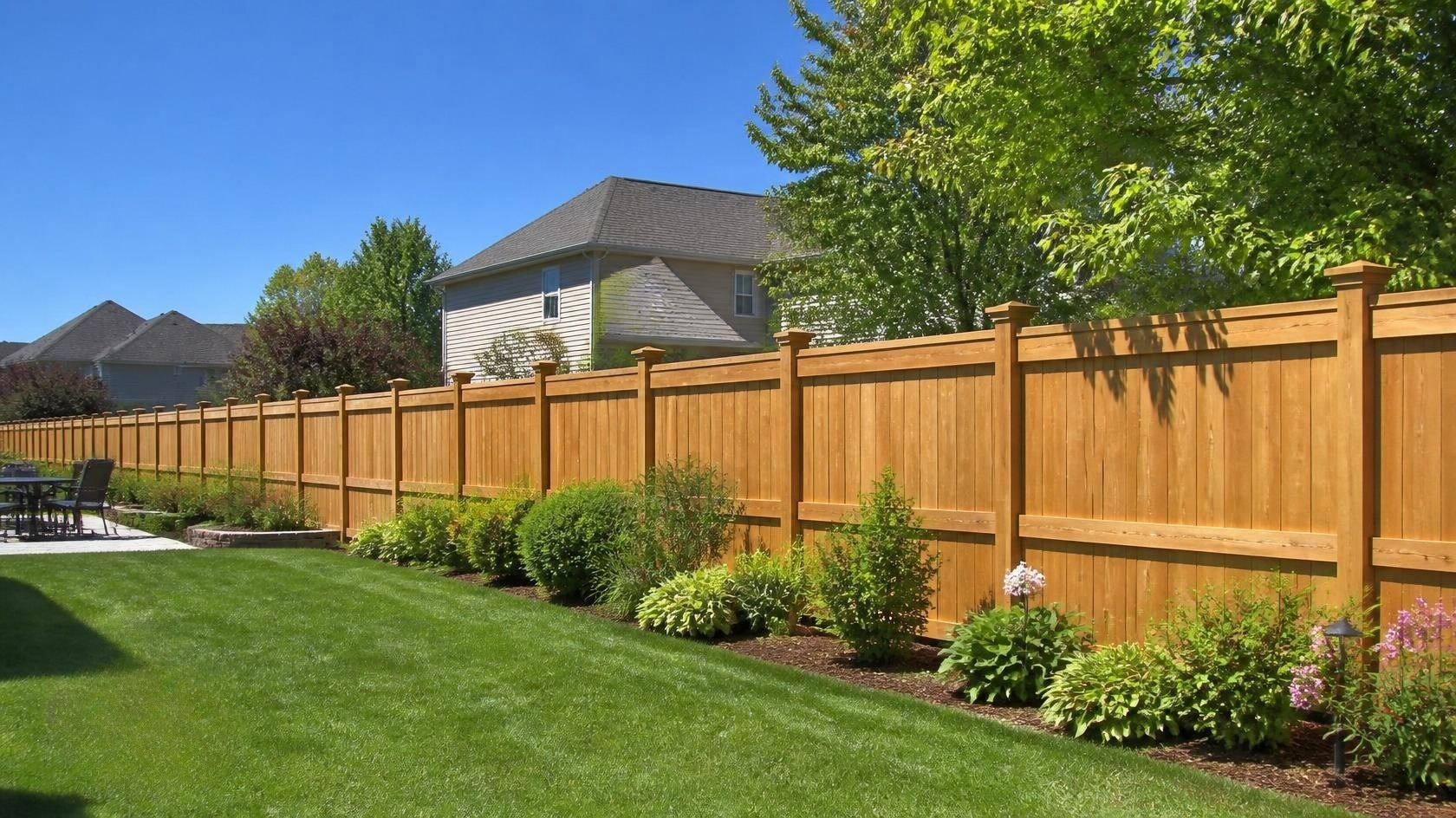
Fence replacement cost in Byron depends on more than the new material. Homeowners should budget for removal of the existing fence, new posts and panels, gates, site preparation, slopes, drainage, disposal, and any layout changes. A complete project estimate is more useful than a simple per-foot number because every yard has different conditions.
Why Fence Replacement Costs Vary
Replacing a fence is different from installing one on an open property.
The project may involve removing:
Old boards or panels
Existing posts
Concrete footings
Gates
Hardware
Damaged materials
The condition of the current fence and yard can affect how much work is required before the new fence even begins.
Other major factors include:
Fence material
Total footage
Height
Number of gates
Terrain
Site access
Landscaping
Drainage
Disposal needs
That is why homeowners should compare full project scopes instead of relying only on general online pricing.
Existing Fence Removal Is Part of the Budget
Old fence removal can be a significant part of a replacement project.
Ask whether the estimate includes:
Fence demolition
Post removal
Concrete removal
Gate removal
Hauling
Disposal
Cleanup
Some older fences may come out relatively easily.
Others may have large footings, damaged posts, or overgrown vegetation that make removal more involved.
Fence Length Has a Major Impact
The total amount of replacement fencing affects material and labor requirements.
Before requesting an estimate, determine whether you are replacing:
The entire backyard fence
One property line
Only damaged sections
Side-yard fencing
Privacy fencing around a patio
If part of the existing fence is still structurally sound, ask whether partial replacement is practical.
Replacing only what is necessary may be more sensible than automatically rebuilding every section.
Material Choice Changes the Project Cost
Different fence materials have different installation and long-term maintenance considerations.
Wood Fence Replacement
Wood offers a natural appearance and strong privacy.
Replacement cost may vary depending on:
Fence height
Board style
Number of posts
Gate design
Decorative details
Finish preferences
Privacy styles may include:
Solid vertical boards
Board-on-board
Shadowbox
Horizontal fencing
Board-on-board and other material-heavy designs generally require more components than simpler fence styles.
Wood homeowners should also plan for future staining, sealing, and repair needs.
Vinyl Fence Replacement
Vinyl can be appealing when homeowners want privacy with less routine surface maintenance.
Project cost can vary based on:
Panel height
Full-privacy or semi-private design
Decorative features
Gate size
Reinforcement
Number of posts
Vinyl does not require routine staining or painting.
When comparing vinyl with wood, consider both the replacement cost and the maintenance you want to handle later.
Chain Link Fence Replacement
Chain link can be practical for:
Dogs
Larger yards
Long property boundaries
Side-yard enclosures
Cost factors may include:
Fence height
Total footage
Framework
Gate quantity
Coating or finish
Privacy additions
Black vinyl-coated chain link may provide a less noticeable appearance around landscaping.
Adding privacy slats or screening changes both the material requirements and wind load.
Aluminum Fence Replacement
Aluminum can work well for decorative areas where homeowners want open views.
The project budget may depend on:
Fence height
Picket design
Gate quantity
Decorative details
Property layout
It typically provides less privacy than solid wood or vinyl, so make sure the material matches the purpose of the replacement.
Fence Height Affects Material Use
Taller fencing generally requires more material and may require stronger support.
This is especially relevant for privacy fencing.
A taller replacement may involve:
Taller posts
Larger panels
More boards
Additional reinforcement
If the existing fence is too short for pets or privacy, replacement is an opportunity to reconsider the height.
Applicable local requirements should also be reviewed before installation.
Gates Can Change the Budget Quickly
Gates require more than a break in the fence line.
They need:
Strong posts
Hinges
Latches
Framing
Reinforcement
A project with multiple gates or wide equipment access can cost more than a similar fence with only one walk gate.
Before replacement, ask whether the current gate layout still works.
You may want to add:
A wider mower gate
A second walk gate
A better pet gate
Double-gate access
Planning these changes during replacement is easier than modifying a completed fence later.
Wide Gates Need Extra Support
Wide gates place more stress on their posts and hardware.
This matters for:
Wood
Vinyl
Chain link
Aluminum
If your old gate repeatedly sagged, simply copying the same design may recreate the same problem.
Replacement is a good time to improve post support, bracing, or gate configuration.
Sloped Yards Can Add Complexity
Uneven terrain may require more installation planning.
Depending on the material, fence sections may need to be:
Stepped
Installed to follow the grade more closely
Slopes can also affect:
Privacy
Pet containment
Gate clearance
Material use
Homeowners should make sure the estimate accounts for the actual terrain rather than assuming the yard is flat.
Drainage Problems Should Be Addressed Before Replacement
If the old fence failed because of water or soil movement, installing a new fence without addressing the cause may lead to similar problems.
Look for:
Standing water
Erosion
Soft soil
Downspout discharge
Low areas
Exposed footings
Drainage can affect posts, gates, and ground clearance regardless of the material.
Include necessary site corrections in the project budget when appropriate.
Landscaping Can Affect Removal and Installation
Fence replacement may be more involved when the existing fence is surrounded by:
Shrubs
Vines
Trees
Garden beds
Decorative edging
Sheds
Homeowners may need to trim or move landscaping before work starts.
The easier the crew can access the fence line, the simpler the project may be.
Difficult Access Can Affect Labor
Backyards with narrow side access can make removal and installation more challenging.
Consider whether workers need to move materials through:
Narrow gates
Tight side yards
Finished landscaping
Deck areas
Large panels, posts, concrete, and removed fence materials all need a practical route in and out.
Discuss access before approving the estimate.
Do You Need the Same Fence Layout?
Replacement does not mean the new fence has to copy the old one exactly.
Consider whether the current layout has problems such as:
Poor gate placement
Insufficient privacy
Awkward side-yard access
No mower access
Unnecessary fencing
Pet escape gaps
Changing the layout may alter the budget, but it can also make the new fence much more useful.
Partial Replacement May Be an Option
Not every damaged fence needs complete replacement.
Partial replacement may make sense when:
One fence line is failing
A storm damaged one section
Several posts are bad but other areas remain sound
One material needs updating
However, mixing old and new sections may create differences in appearance, height, or condition.
A contractor can help determine whether targeted replacement is practical.
Repair vs Replacement
Repairs may be enough when problems are limited to:
A few boards
One rail
One gate
One isolated post
Minor hardware issues
Replacement may make more sense when:
Several posts are failing
Rot is widespread
Large sections are leaning
Gates repeatedly lose alignment
Panels are extensively damaged
Repairs keep returning
The layout no longer works
The condition of the entire fence should guide the decision.
Budget for Cleanup and Disposal
Do not forget what happens after the old fence comes down.
Ask whether the project includes:
Removed materials
Concrete debris
Packaging
Old hardware
General cleanup
A quote that includes disposal may look higher than one that leaves those responsibilities to the homeowner.
Compare estimates based on the same scope.
Ask What Is Included in the Quote
A complete replacement estimate should clearly describe:
Removal
New material
Posts
Rails
Panels or boards
Gates
Hardware
Labor
Disposal
Cleanup
Site preparation
If something is unclear, ask before booking.
That makes it easier to understand the real project budget.
Compare Quotes Carefully
When comparing estimates, make sure they are based on the same project.
Check that each quote uses the same:
Material
Fence style
Height
Total footage
Number of gates
Gate widths
Removal scope
Site conditions
A lower estimate may simply exclude items included elsewhere.
Consider Long-Term Maintenance Costs
The replacement budget should not focus only on installation day.
Wood
May require periodic staining, sealing, board repair, and inspections.
Vinyl
Usually requires cleaning and checking posts, gates, and hardware.
Chain Link
May need mesh, tension, hardware, and gate maintenance.
Aluminum
Typically needs relatively simple hardware and alignment checks.
Choose a fence that fits the amount of maintenance you want to manage over time.
Plan for Byron Weather
A replacement fence in Byron needs to handle northern Illinois wind, rain, snow, ice, storms, and freeze-thaw cycles.
Homeowners should consider:
Post stability
Drainage
Wind exposure
Gate alignment
Snow-removal access
Solid privacy fencing catches more wind than open styles, so installation quality is especially important.
Questions to Ask Before Budgeting
Before approving a fence replacement, ask:
Is old fence removal included?
Is disposal included?
What material is being quoted?
What fence height is included?
How many gates are included?
Will gate sizes change?
How will slopes be handled?
Is drainage work needed?
Is landscaping preparation required?
Is cleanup included?
Could site conditions change the final scope?
Clear answers make budgeting much easier.
Request a Fence Replacement Estimate
Fence replacement costs vary because every Byron property has a different fence, layout, material, and site condition.
Arrow Fence helps Byron homeowners evaluate existing fencing and compare replacement options for privacy, pets, outdoor living, and residential boundaries.
Whether you are considering wood, vinyl, chain link, aluminum, partial replacement, new gates, or a complete fence upgrade, contact Arrow Fence at arrowfencerockford.com to request a free estimate.
