
Fence Replacement in Dixon, IL: Fall Planning for an Older Fence
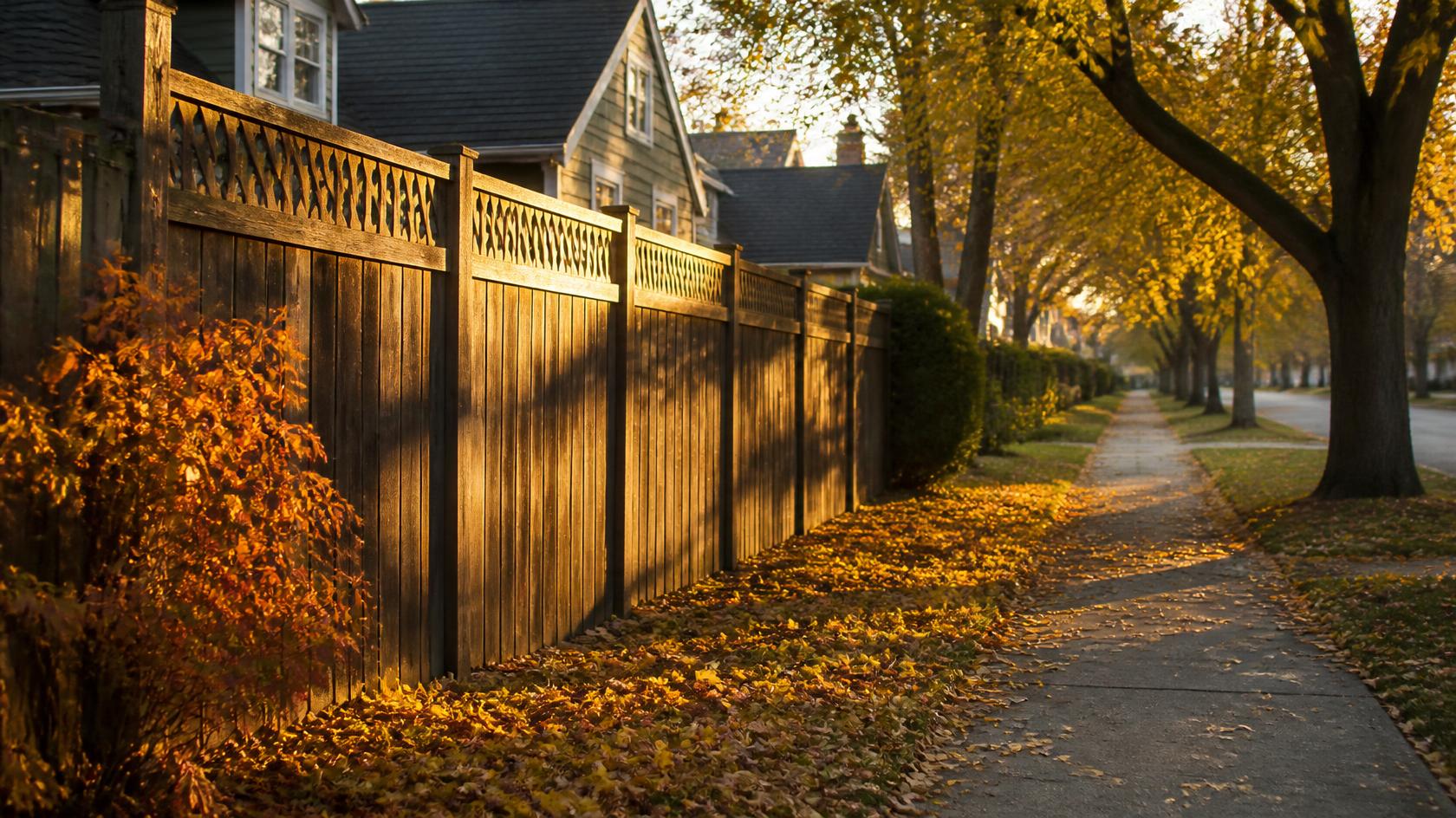
Fall is a practical time for Dixon homeowners to evaluate an older fence before winter makes existing problems harder to manage. Replacement may be worth considering when multiple posts are failing, rot is widespread, gates keep losing alignment, sections are leaning, or the current layout no longer fits privacy, pet, or access needs.
Start With the Overall Condition
An older fence does not always need complete replacement.
A few loose boards, worn hinges, or one damaged post may still be repairable.
Replacement becomes more practical when problems appear throughout the fence rather than in one isolated area.
Look for:
Several leaning posts
Multiple damaged sections
Repeated gate problems
Widespread rot
Loose or failing rails
Bent or damaged framework
The condition of the entire system matters more than one visible defect.
Repeated Repairs Can Be a Warning Sign
A fence that needs minor maintenance occasionally may still have plenty of useful life.
A fence that needs repairs every season may be reaching the point where replacement deserves consideration.
Watch for recurring problems such as:
Gates that keep sagging
Posts that repeatedly shift
Boards that continue loosening
Panels that no longer stay aligned
Hardware that needs frequent adjustment
Repeated repairs can sometimes mean the underlying structure is deteriorating.
Check Posts Before Anything Else
Posts support the fence and often determine whether repair or replacement makes sense.
Inspect for:
Leaning
Movement at the base
Rot
Cracks
Exposed footings
Soil erosion
One weak post may be replaceable.
Several failing posts along the same run may point to a larger structural problem.
Look Closely at Wood Rot
Older wood fencing should be inspected near ground level and around areas that stay damp.
Check:
Posts
Lower boards
Rails
Gate frames
Signs of deterioration may include:
Soft wood
Crumbling sections
Deep cracks
Darkened areas
Fasteners that no longer hold securely
Replacing a few boards may be enough when rot is isolated.
Widespread deterioration across posts and rails usually requires a broader solution.
Gate Problems Can Reveal Structural Movement
Gates often show fence problems early.
An older gate may begin to:
Drag
Sag
Miss the latch
Develop uneven gaps
Require lifting to close
Before replacing only the hardware, inspect both gate posts.
If one or both have shifted, the gate problem may be connected to the surrounding fence.
Consider Whether the Layout Still Works
An older fence may still be standing but no longer fit how the property is used.
Replacement provides an opportunity to change:
Gate locations
Gate widths
Privacy areas
Pet boundaries
Equipment access
Side-yard routes
A wider gate may be useful for a mower or trailer, while an additional walk gate may improve everyday access.
There is little benefit in copying an outdated layout if the new fence can function better.
Reevaluate Privacy Needs
Privacy needs can change over time.
A new neighboring property, removed landscaping, or different backyard use may make the existing fence feel less effective.
Consider whether you need privacy around:
Patios
Decks
Neighboring windows
Side yards
Pet areas
Replacement does not necessarily mean installing solid privacy fencing everywhere.
Targeted screening may provide better results while keeping parts of the yard more open.
Choose a Material That Fits Future Maintenance
Replacing an older fence is a good time to decide how much maintenance you want going forward.
Wood
Wood offers a natural appearance and flexible privacy designs.
It may require periodic:
Cleaning
Staining or sealing
Board repair
Hardware inspection
Vinyl
Vinyl provides consistent screening with less routine surface maintenance.
It generally needs cleaning and periodic checks of posts, rails, gates, and hardware.
Chain Link
Chain link can be practical for pets, larger yards, and longer boundaries.
It provides open visibility and airflow.
Aluminum
Aluminum works well where homeowners prefer a decorative boundary and open views.
The best replacement material depends on how the yard is used, not just what was installed before.
Fall Is a Good Time to Check Drainage
An older fence can reveal where water has been causing problems.
After fall rain, look for:
Standing water
Erosion
Soft soil
Exposed footings
Runoff near posts
If drainage contributed to the old fence failing, it should be considered before new posts are installed.
Replacing the fence without addressing the same site problem may allow movement to return.
Watch Sloped Areas
Slopes can affect both the old fence and the replacement design.
Check for:
Uneven ground gaps
Posts that have shifted
Sections that lean downhill
Erosion beneath panels
Depending on the new fence system, sections may be stepped or installed to follow the grade more closely.
Pet owners should pay extra attention to openings created by elevation changes.
Plan Old Fence Removal
Fence replacement involves more than installing new material.
The existing fence may need removal of:
Boards
Panels
Posts
Concrete
Gates
Hardware
Ask whether hauling, disposal, and cleanup are included in the project estimate.
Older footings or heavily overgrown sections can make removal more involved.
Clear the Fence Line Before Work Starts
Fall is also a useful time to prepare the property.
Move or trim:
Shrubs
Vines
Planters
Stored equipment
Outdoor furniture
Low branches
A clear work area makes it easier to evaluate the fence line and identify drainage, roots, or other conditions before installation.
Think About Winter Access
A replacement fence installed in fall should work well once snow arrives.
Consider:
Gate swing
Snow storage
Shoveled paths
Snowblower routes
Pet access
Avoid placing a frequently used gate where snow is normally piled.
This is easier to solve during planning than after installation.
Repair or Replace?
Repair may still make sense when:
Damage is limited
Most posts remain stable
Only a few boards or rails are affected
Gates can be adjusted
The current layout still works
Replacement may be more practical when:
Several posts are failing
Rot is widespread
Large sections lean
Gates repeatedly lose alignment
Repairs keep returning
The layout no longer meets household needs
The decision should consider both current condition and future use.
Questions to Ask Before Replacing an Older Fence
Before moving forward, homeowners may want to ask:
Does the entire fence need replacement?
Can some sections remain?
Is old fence removal included?
Should gate locations change?
Is wider equipment access needed?
Are there drainage or erosion problems?
Does the new material fit our maintenance preferences?
How will slopes be handled?
What site preparation is required?
These decisions can make the replacement project more useful for years to come.
Request a Free Fence Replacement Estimate
Arrow Fence helps Dixon homeowners evaluate older fencing and compare repair, partial replacement, and full replacement options.
Whether you are considering wood, vinyl, chain link, aluminum, new gates, or an updated privacy layout, Arrow Fence can help you plan a practical replacement for your property.
Contact Arrow Fence at arrowfencerockford.com to request a free estimate for your fence replacement project.
