
Fence Replacement in Loves Park, IL: Signs You May Need a New Fence
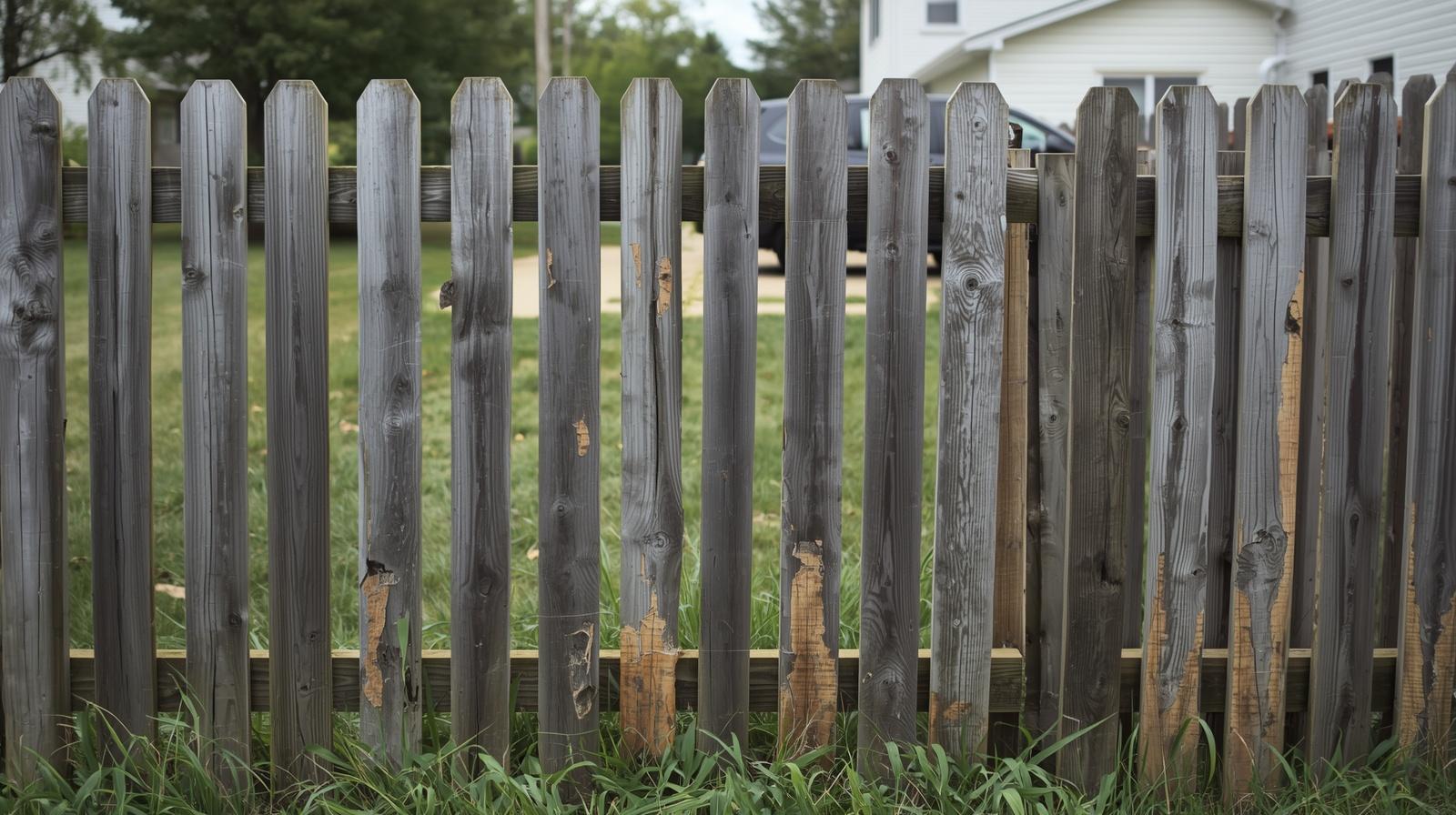
Most fences don't fail all at once — they show warning signs first. If your fence is leaning, rotting, pulling apart at the posts, or just past its prime, it may be time to stop patching and start fresh. This guide helps Loves Park homeowners recognize those signs early and understand what to expect from a quality fence replacement.
When Repairs Stop Making Sense
Every fence has a lifespan. With regular maintenance, a well-built fence can serve you for 15 to 25 years depending on the material and how well it's been cared for. But there comes a point when patching a problem only delays the inevitable — and in some cases, repeated repairs end up costing more than a full replacement would have.
For homeowners in Loves Park, that tipping point often comes after a rough winter, a storm season, or simply after realizing that the fence has slowly been deteriorating for years. Knowing what to look for can save you money, frustration, and the safety risks that come with a fence that's no longer doing its job.
Here are the most common signs that it's time to stop repairing and start replacing.
Sign #1: Leaning or Tilting Posts
Posts are the foundation of your entire fence. If they lean, everything attached to them goes with it. A slight lean after a storm might be fixable, but widespread or progressive leaning usually points to a deeper problem.
In northern Illinois, the most common culprit is frost heave — the ground freezing and thawing repeatedly over the winter, which gradually shifts posts out of position. Posts that weren't set deep enough when originally installed are especially vulnerable. If multiple posts are leaning in different directions, or if a post shifts back when pushed, it's likely that the concrete footing has failed or was never set at the proper frost-line depth to begin with.
Replacing individual posts is possible, but when several are compromised at once, a full replacement is often the more cost-effective path.
Sign #2: Rot, Rust, or Decay at the Base
The base of a fence post — where it meets the soil — is the most stress-prone area of any wood fence. Moisture collects there, and over time, even pressure-treated wood can develop soft spots, darkening, or visible decay.
Give your fence posts a gentle kick or a firm push. If they flex, crack, or feel spongy at ground level, the structural integrity is compromised. A rotting post can't hold panels securely, and in high-wind conditions common to the Rockford area, that becomes a safety hazard fast.
For metal fences, rust is the equivalent concern. Surface rust on chain link or ornamental fencing can sometimes be treated, but deep rust that has eaten through the metal — especially on posts or rails — is a sign that replacement is overdue.
Sign #3: Warped, Split, or Missing Boards
Wood fence boards warp, crack, and split over time. One or two boards can usually be replaced without issue. But when you start counting more than a handful of damaged panels across the fence line, the math starts to favor a full replacement over ongoing board-by-board repairs.
Warping is especially common in Loves Park because of the climate — hot, humid summers followed by cold, wet winters put constant stress on wood. Boards that cup or bow away from the frame don't just look bad; they leave gaps that defeat the purpose of a privacy fence and give pets an opening to squeeze through.
Sign #4: Sagging Sections or Broken Rails
The horizontal rails that connect your posts to your fence boards carry a lot of weight. When rails snap, crack, or pull away from posts, panels begin to sag or swing freely. A sagging section is both an eyesore and a structural warning.
Sometimes a single rail replacement is all that's needed. But when sagging is widespread — multiple sections, multiple breaks — it usually means the fence frame has been weakened throughout, often from age, weathering, or original materials that weren't suited for the Midwest climate.
Sign #5: Storm or Wind Damage
Loves Park and the greater Rockford area see their share of strong storms, especially in spring. A single bad storm can knock out fence sections, snap posts, or pull panels off their frames entirely.
If storm damage is limited to one section of an otherwise healthy fence, repair or partial replacement makes sense. But if the fence was already showing its age before the storm hit, this is often the moment homeowners decide it's time for a clean start with new materials and proper installation.
After any significant storm, walk the full perimeter of your fence and check for:
Posts snapped at or near ground level
Panels blown off or detached from rails
Gates that no longer close, latch, or hang straight
Any section where the fence is resting against a tree or structure it wasn't touching before
Sign #6: The Fence Is Simply Old
Sometimes there's no single dramatic sign — the fence just looks tired. Colors have faded, paint is peeling, boards have grayed and splintered, and the whole structure has that slow lean of something past its prime.
If your fence is over 20 years old and hasn't had regular maintenance, a full replacement is almost certainly the more economical long-term choice. Continuing to patch an aging fence is like putting new tires on a car with a failing engine — you're investing in something that's running out of road.
Age-related decline also tends to accelerate. One soft post leads to sagging panels, which puts stress on adjacent posts, which start to lean. What starts as one problem becomes five within a season or two.
Sign #7: Your Needs Have Changed
Not every replacement is about a fence that's broken. Sometimes life changes, and the fence you installed ten years ago no longer fits your situation.
Maybe you got a dog and your current fence has gaps or is too short to contain them. Maybe you added a deck or patio and need a gate in a new location. Maybe you're putting your home on the market and want a fence that adds curb appeal rather than detracting from it. Maybe your kids are older now and you want to open up the backyard rather than partition it.
Fence replacement is a good opportunity to rethink layout, material, height, and gate placement so that everything works for the way you actually use your yard today.
Choosing the Right Replacement Material
When it's time to replace, you don't have to replace like-for-like. Many homeowners use the opportunity to upgrade to a lower-maintenance material.
Here's a quick comparison for Loves Park's climate:
Wood — Warm, natural look. Great for privacy. Requires regular sealing and staining to hold up through Illinois winters and summers. Best for homeowners who enjoy maintaining their yard.
Vinyl — Low maintenance, won't rot or warp, holds up well through freeze-thaw cycles. Higher upfront cost but reduced long-term upkeep. Excellent for privacy fencing.
Chain link — Durable, cost-effective, great for large areas or pet enclosures. Handles Midwest weather reliably with minimal maintenance.
Aluminum/ornamental — Clean, classic look with no rust concerns. Ideal for front yards, pool areas, or anywhere you want aesthetics plus longevity.
If your previous fence required a lot of upkeep and you're tired of it, this is the right moment to switch to something that works harder with less effort.
What to Expect From the Replacement Process
A reputable fence company will start with a site visit to assess what's there and what you need. From there, the process typically looks like:
Remove the old fence — Posts, panels, gates, and all hardware. A good crew leaves your yard clean and ready for new installation.
Assess the ground — Especially important if old posts shifted or frost heave was a factor. Proper new post depth matters enormously in Illinois.
Install new posts — Set at the correct depth with concrete footings to resist frost movement.
Install panels, rails, and boards — Based on your chosen material and style.
Hang gates — Properly aligned and tested for smooth operation before the crew leaves.
Most residential fence replacements in Loves Park are completed in one to two days, depending on the size of the project and material used.
Don't Wait Until It Fails Completely
The best time to address a deteriorating fence is before it becomes a safety issue, an eyesore, or a problem for a neighbor. A fence that falls into a neighbor's yard, leaves a gap for a dog to escape, or collapses after the first big wind of spring is a much bigger headache than one replaced on your own timeline.
If you've been noticing the warning signs — leaning posts, rotting wood, sagging sections, or a fence that just looks like it's done — it's worth getting a professional eye on it sooner rather than later.
Arrow Fence Is Here When You're Ready
Arrow Fence helps homeowners throughout Loves Park, Rockford, and the surrounding area with fence replacement, installation, and repair. Whether you're replacing a worn-out wood fence, upgrading to vinyl, or starting fresh with a new layout, our team will help you choose the right material and install it the right way — built to handle everything an Illinois winter can throw at it.
Visit arrowfencerockford.com or call us today to schedule your free estimate. No pressure, no obligation — just honest advice from a local fence company that knows this area.
