
Gate Alignment Problems in Winnebago, IL: Why Fall Is a Good Time to Repair Them
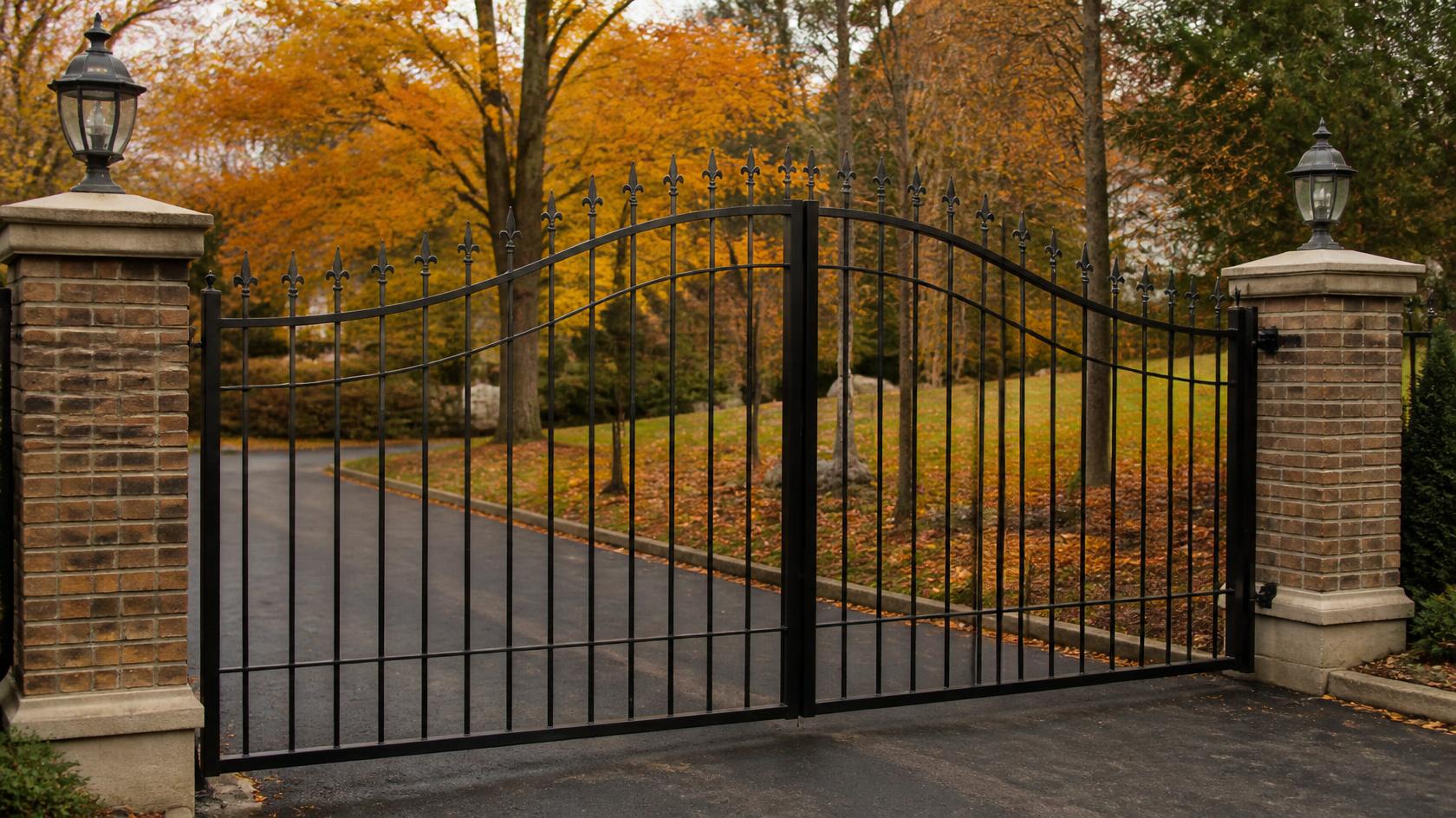
A fence gate that drags, sags, misses the latch, or develops uneven gaps may have more than a simple hardware problem. In Winnebago, fall is a useful time to inspect gates because rain, soil movement, and seasonal wear can reveal issues before snow, frozen ground, and freeze-thaw cycles make access more difficult.
What Does a Misaligned Gate Look Like?
Gate alignment problems often develop gradually.
Watch for a gate that:
Drags across the ground
Needs to be lifted to close
Rubs against the latch post
No longer lines up with the latch
Has uneven gaps
Opens or closes with difficulty
A small change may seem harmless, but it can indicate movement in the gate, posts, hardware, or surrounding soil.
Why Fall Is a Good Time to Check the Gate
Fall gives homeowners an opportunity to see how the gate is working before winter conditions arrive.
It is especially useful because:
Heavy rain can reveal soft soil and drainage problems
Leaves can be cleared away to expose the post bases
The ground is easier to inspect before snow
Repairs can improve access before freezing temperatures
A gate that already struggles in fall may become even harder to operate once snow and ice accumulate.
Sagging Is a Common Cause
A sagging gate usually sits lower on the latch side.
Possible causes include:
Loose hinges
Weak framing
Insufficient bracing
A shifting hinge post
Excessive gate weight
The correct repair depends on what is actually moving.
Simply repositioning the latch may not help if the gate itself continues to sag.
Check the Hinge Post First
The hinge post supports most of the gate's weight.
Inspect it for:
Leaning
Movement at the base
Rot on wood posts
Exposed footing
Soft or eroded soil
If the hinge post is unstable, repeatedly adjusting the gate hardware may only provide temporary improvement.
The post needs to remain firm for the gate to stay aligned.
The Latch Post Can Shift Too
The opposite post also affects gate operation.
A shifting latch post may cause the gate to:
Miss the latch
Rub against the post
Develop a wider opening
Become difficult to close
Look at both sides of the opening before deciding that the latch itself needs replacement.
Loose Hinges Can Change Alignment
Hinges experience movement every time the gate opens.
Check for:
Loose screws or bolts
Bent components
Worn attachment points
Movement where the hinge meets the post
Minor hardware problems may be relatively straightforward to repair when the gate frame and posts remain stable.
If the same hinge repeatedly loosens, inspect the surrounding material for damage.
Drainage Can Move Gate Posts
Water is an often-overlooked cause of gate alignment problems.
Fall rain can expose:
Standing water
Erosion
Soft soil
Runoff channels
Downspout discharge
If soil washes away around a gate post, the opening may gradually change shape.
Correcting only the gate may not provide a lasting repair if drainage continues moving the post.
Freeze-Thaw Cycles Can Make the Problem Worse
Moisture in the soil may freeze, expand, thaw, and settle during colder weather.
This can contribute to:
Post movement
Changes in gate clearance
Latch misalignment
Uneven gaps
A gate that already shows movement before winter is worth inspecting while the ground is still visible.
Ground Clearance Can Change
Sometimes the gate remains relatively straight while the ground beneath it changes.
Soil can:
Build up
Erode
Settle
Become muddy
This may cause the bottom of the gate to drag or create a larger opening underneath.
Before adjusting the gate, determine whether the issue comes from the gate or the grade.
Wood Gates Need Structural Checks
Wood gates can develop alignment issues from:
Warping
Rot
Cracked framing
Loose fasteners
Excessive weight
Inspect both the visible boards and the frame supporting them.
A damaged board may be easy to replace, while a weakened frame can require more extensive repair.
Vinyl Gates Can Shift With Their Posts
Vinyl gates do not have the same rot concerns as wood, but alignment still depends on stable posts and hardware.
Check for:
Loose hinges
Post movement
Cracked components
Sagging
Uneven side gaps
Wider vinyl gates may also require adequate reinforcement to stay aligned.
Chain Link Gates Have Their Own Warning Signs
For chain link fencing, check for:
A sagging gate frame
Bent hinges
Leaning terminal posts
Latch problems
Loose surrounding mesh
If the gate post moves, tension in the nearby fence may also change.
The surrounding framework should be inspected along with the gate.
Wide Gates Need Extra Support
Equipment and double gates place more stress on posts than smaller walk gates.
A wider opening may be used for:
Riding mowers
Trailers
Landscaping equipment
Utility vehicles
If a large gate repeatedly sags, the repair may require stronger support, improved bracing, or hardware changes rather than another simple latch adjustment.
Gate Problems Matter for Dogs
A misaligned gate can create a pet escape point.
Watch for:
Larger bottom gaps
Widening side gaps
Weak latches
Gates that do not close completely
Dogs that push against gates can add even more stress to already loose hardware.
Pet owners should test the latch after any gate adjustment.
Clear Leaves Before Inspecting
Fall leaves can hide the lower parts of gate posts and make ground conditions difficult to see.
Clear debris from:
Hinge posts
Latch posts
Gate swing areas
Drainage paths
This makes it easier to identify erosion, rot, exposed footings, or ground buildup.
Prepare the Gate for Snow
Consider how the entrance will work once snow arrives.
Check:
Gate swing direction
Bottom clearance
Snow storage areas
Shoveled paths
Snowblower access
Avoid piling heavy snow against the gate or its supporting posts.
A properly aligned gate can still become unusable if its swing path is blocked.
When Is a Simple Adjustment Enough?
Minor service may be appropriate when:
Hinges are loose
The latch needs slight adjustment
Hardware is worn
The posts remain stable
The gate frame is structurally sound
Correcting these issues early may restore normal operation without larger repairs.
When Does the Gate Need More Extensive Repair?
More significant work may be necessary when:
The hinge post leans
The latch post has moved
The gate frame is damaged
Wood is rotten
The gate repeatedly sags
Drainage is undermining the posts
The repair should correct the underlying cause, not just reposition the latch.
When Should Replacement Be Considered?
Replacement may make more sense when:
The gate frame is badly deteriorated
Multiple components are failing
The gate is no longer the correct size
Repairs repeatedly fail
Surrounding fence sections are also deteriorating
Replacement can also provide an opportunity to improve gate width, support, and access.
Fall Gate Inspection Checklist
Before winter, Winnebago homeowners should check:
Gate alignment
Hinges
Latch operation
Hinge post stability
Latch post stability
Bottom clearance
Side gaps
Drainage
Erosion
Pet escape points
Snow access
Catching these issues in fall can make the gate easier to use through winter.
Request a Free Gate Repair Estimate
Arrow Fence helps Winnebago homeowners address sagging, dragging, misaligned, or difficult-to-close fence gates.
Whether the problem involves hardware, gate posts, drainage, structural damage, or a gate that needs replacement, Arrow Fence can help you review practical repair options.
Contact Arrow Fence at arrowfencerockford.com to request a free estimate for your gate repair project.
