
Gate Repair in Mount Carroll, IL: Signs Your Fence Gate Needs Service
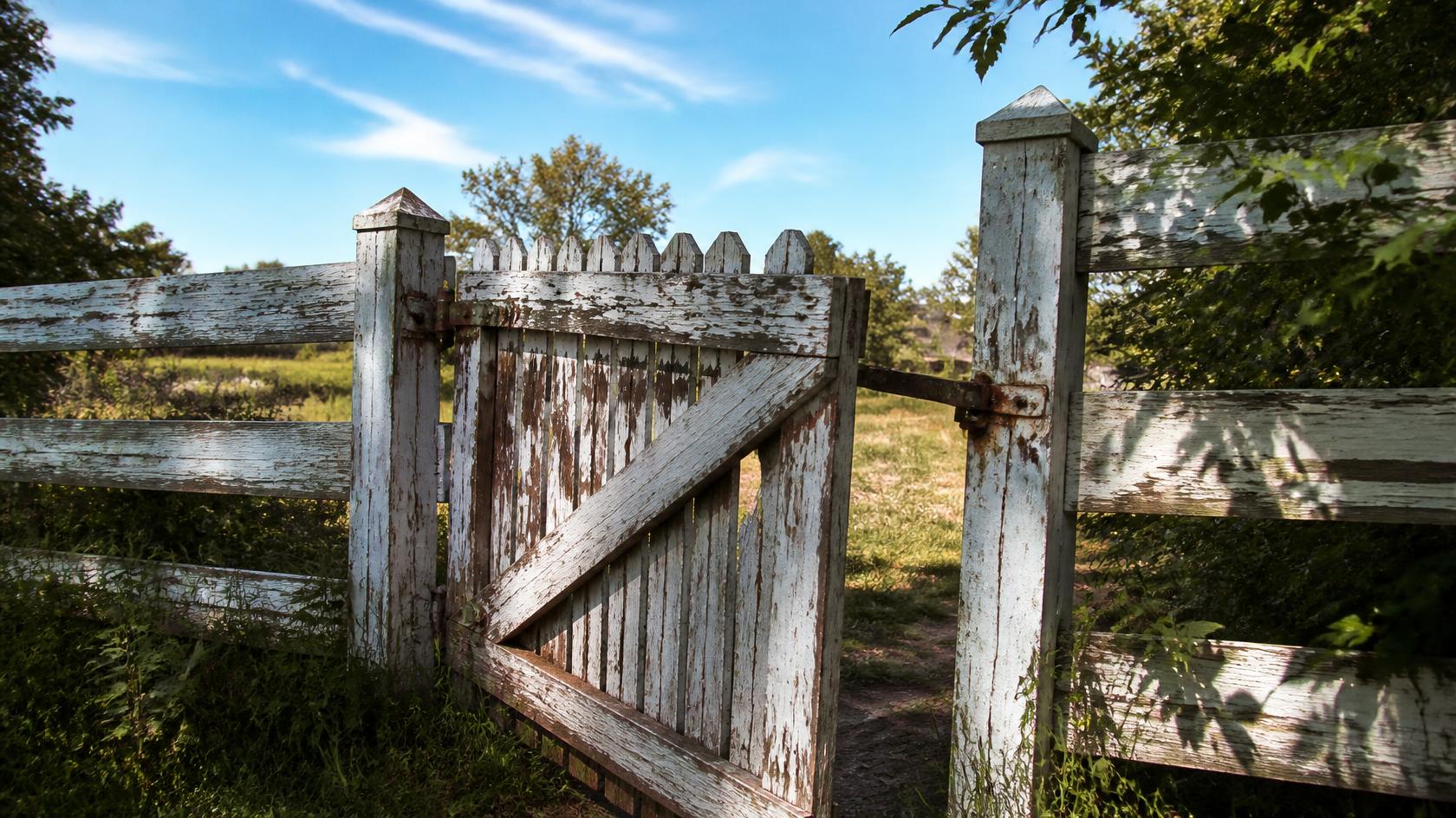
A fence gate may need repair if it starts sagging, dragging, rubbing against a post, missing the latch, opening unevenly, or pulling on the surrounding fence. Mount Carroll homeowners should also check gate posts, hinges, hardware, ground clearance, and drainage because the visible gate problem may actually come from movement elsewhere in the fence.
A Gate Problem Often Starts Small
Fence gates are used more often than most other parts of a fence.
Every opening and closing puts pressure on:
Hinges
Latches
Gate posts
Frames
Fasteners
A gate may still work even when something has started shifting.
The sooner homeowners notice those changes, the easier it may be to prevent a minor alignment problem from becoming a larger repair.
The Gate Is Starting to Sag
Sagging is one of the most common signs that a gate needs attention.
You may notice one corner sitting lower than the other or the bottom getting closer to the ground.
Possible causes include:
Loose hinges
Weak framing
Insufficient bracing
Movement in the hinge post
A gate that is too heavy for its hardware
The repair should address the reason for the sag rather than simply lifting the gate back into position.
The Gate Drags on the Ground
A gate should open and close without scraping across the yard.
Dragging may happen because:
The gate has sagged
The hinge post has shifted
The ground has changed
Soil has built up underneath
Freeze-thaw movement has affected the opening
Check both the gate and the surrounding ground before making adjustments.
If the problem comes from a leaning post, trimming the gate may only hide the real issue.
The Latch No Longer Lines Up
A gate that suddenly stops latching can point to movement in the gate system.
Look for:
A shifted latch post
Sagging at the hinge side
Loose hardware
Changes in ground level
A twisted or damaged gate frame
Repeatedly moving the latch hardware may not provide a lasting repair if the posts continue shifting.
You Have to Lift the Gate to Close It
If you regularly lift or pull the gate sideways to make the latch connect, something is out of alignment.
This can place additional stress on:
Hinges
Posts
Fasteners
Gate framing
A properly functioning gate should close naturally.
Having to force it into place is a sign that the problem should be inspected.
Hinges Are Loose or Moving
Hinges carry the gate's weight every day.
Check for:
Loose screws
Bent hardware
Movement where hinges attach
Rust or deterioration
Gaps around mounting points
Sometimes tightening or replacing hardware is enough.
However, hardware that repeatedly loosens may indicate deterioration in the gate frame or supporting post.
The Gate Post Is Leaning
Gate posts are especially important because they carry more stress than standard line posts.
A leaning hinge post can cause:
Sagging
Dragging
Latch misalignment
Uneven gate gaps
Check the base of the post for:
Soil movement
Erosion
Rot
Exposed footing
Looseness
Repairing the post may be necessary before the gate can be aligned correctly.
Check the Latch Post Too
The post opposite the hinges can also move.
If it shifts, the gate may still hang correctly but fail to latch.
Look for:
Leaning
Loose soil
Cracks
Movement at the base
Both sides of the opening need to remain stable for the gate to work properly.
The Gate Has Uneven Gaps
The space around a gate should remain relatively consistent.
Watch for:
A large gap at the top
A tight gap at the bottom
One side touching the post
A widening opening near the latch
Uneven gaps can indicate:
Sagging
Post movement
Ground changes
Frame distortion
They can also become escape points for smaller pets.
Wood Gates Can Develop Their Own Problems
Wood gates may experience:
Warping
Cracked boards
Loose fasteners
Rot
Weak framing
A gate can become heavier or less stable as moisture affects the wood.
Check both the visible boards and the structural frame behind them.
If only one board is damaged, a targeted repair may be enough. If the frame itself is failing, more extensive work may be necessary.
Vinyl Gate Problems
Vinyl gates require less routine surface maintenance than wood, but they can still develop alignment issues.
Look for:
Loose hinges
Cracked components
Post movement
Gate sag
Hardware problems
Wider vinyl gates may require proper reinforcement to stay aligned.
If the gate repeatedly shifts, inspect the supporting posts rather than adjusting the latch over and over.
Chain Link Gate Problems
Chain link gates are practical, but they also depend on stable posts and properly adjusted hardware.
Common problems include:
Sagging frames
Loose hinges
Bent components
Latches that no longer meet
Leaning terminal posts
A gate issue can also affect mesh tension near the opening.
Check the surrounding fence when inspecting the gate.
Aluminum Gates Need Stable Posts
Aluminum gates are lighter than many solid privacy gates, but alignment still depends on firm posts.
Watch for:
Loose hinges
Bent components
Shifting posts
Uneven gaps
Even a small amount of post movement can make a gate difficult to latch.
Wide Gates Require More Support
A wider gate places additional pressure on posts and hinges.
This is especially important for:
Mower gates
Double gates
Equipment access
Trailer openings
If a large gate repeatedly sags, simply adjusting the latch may not be enough.
The frame, hinges, posts, and bracing should all be evaluated.
Drainage Can Cause Gate Problems
Sometimes the gate itself is not the original cause.
Water moving through the yard can affect the soil around gate posts.
Watch for:
Standing water
Mud
Erosion
Downspout runoff
Exposed footings
If soil washes away around one post, the gate opening can slowly shift.
Correcting drainage may be necessary to prevent the problem from returning.
Freeze-Thaw Cycles Can Change Alignment
Mount Carroll winters can bring repeated freezing and thawing.
As soil moves, gate posts may shift slightly.
Homeowners may notice:
New dragging
A latch that no longer lines up
Different ground clearance
Uneven gaps
A gate that worked properly in fall may need adjustment after winter.
Snow Can Interfere With Gate Operation
Before winter, check where snow is normally piled.
A gate may become difficult to use if snow blocks:
Its swing path
The latch area
The bottom clearance
Avoid repeatedly pushing heavy snow against the gate or gate posts.
Snowblowers, shovels, and vehicles should also have enough clearance to avoid accidental impact.
Pet Owners Should Inspect Gates Closely
A gate is one of the most important parts of a pet enclosure.
Check for:
Weak latches
Bottom gaps
Side gaps
Sagging
Posts that move
Hardware that can be pushed open
Dogs that rush gates can put additional pressure on the latch and frame.
Addressing small problems early can help maintain a more secure yard.
When a Gate Adjustment May Be Enough
Minor service may be appropriate when:
Hinges only need tightening
The latch needs a small adjustment
Hardware is worn but the posts are stable
The gate frame remains sound
These problems can often be corrected without replacing the entire gate.
When More Extensive Repair May Be Needed
More significant work may be necessary when:
A post is leaning
The frame is damaged
Wood is rotten
Hardware repeatedly loosens
The gate keeps sagging
The surrounding fence is moving
The repair should solve the structural cause rather than only the visible symptom.
When Replacement May Make More Sense
Gate replacement may be worth considering when:
The frame is severely damaged
Rot is widespread
Multiple components have failed
The gate is no longer the right size
Repeated repairs are not lasting
A replacement also provides an opportunity to reconsider gate width, hardware, and access needs.
Gate Repair Checklist for Mount Carroll Homes
Check your gate for:
Sagging
Dragging
Latch problems
Loose hinges
Uneven gaps
Leaning posts
Rot
Cracked components
Ground changes
Drainage
Pet escape points
Winter clearance
A quick inspection can reveal whether the issue is limited to the gate or involves the surrounding fence.
Request a Free Gate Repair Estimate
Arrow Fence helps Mount Carroll homeowners address sagging gates, damaged hardware, leaning posts, latch problems, and other fence gate issues.
Whether your gate needs adjustment, structural repair, post work, or replacement, Arrow Fence can help evaluate the problem and recommend practical options for your property.
Contact Arrow Fence at arrowfencerockford.com to request a free estimate for your fence gate repair project.
