
Gate Repair in Poplar Grove, IL: When a Small Problem Becomes a Bigger Issue
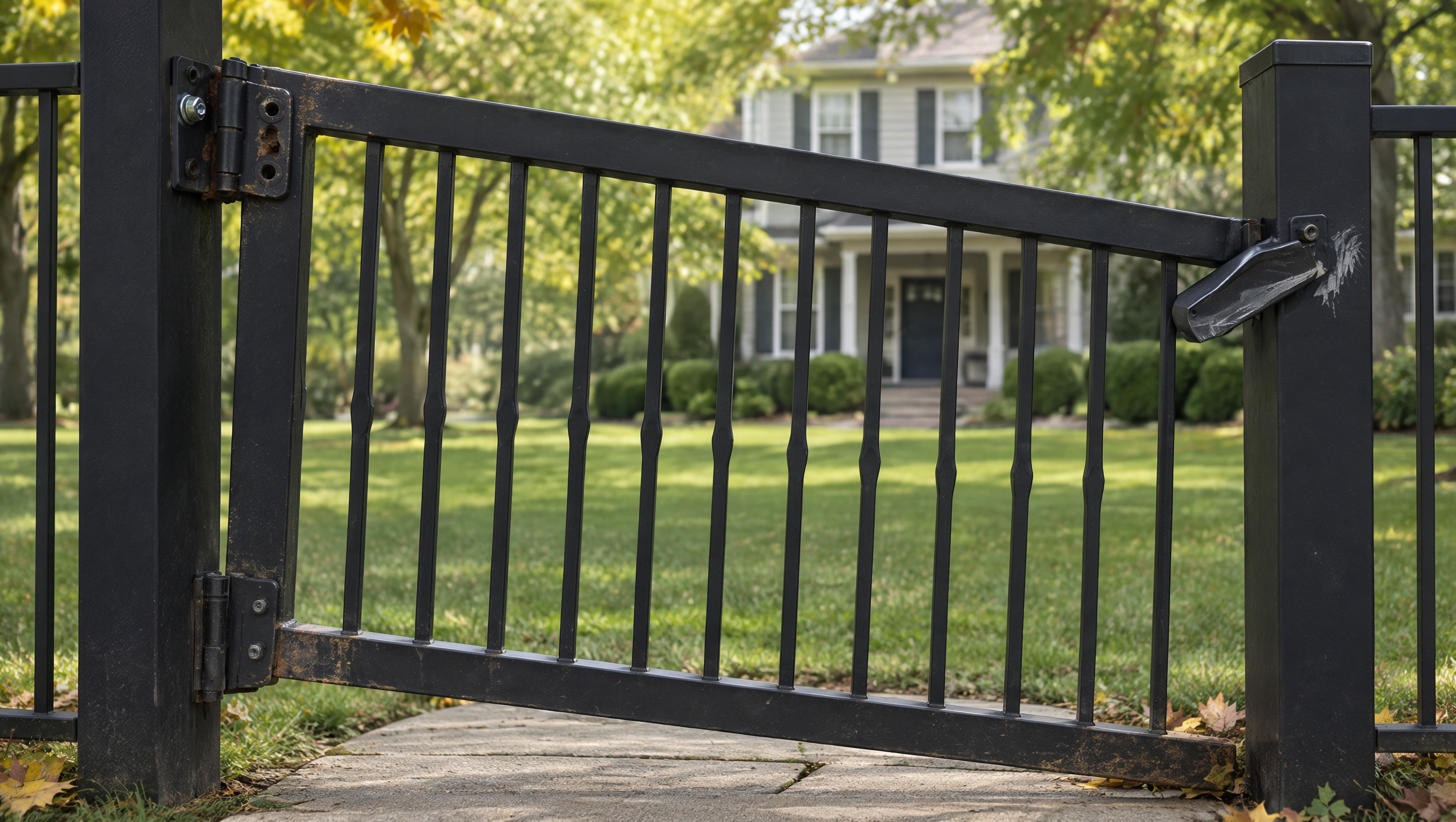
A fence gate that drags, sags, sticks, or misses the latch may look like a minor annoyance, but it can point to movement in the posts, frame, hinges, or surrounding soil. In Poplar Grove, catching these problems early can help prevent damage from spreading into nearby fence sections, especially before winter weather and freeze-thaw cycles add more stress.
Small Gate Problems Often Start With Subtle Changes
Gate problems rarely begin as major failures.
Homeowners may first notice that the gate:
Needs a little push to close
Rubs lightly against the ground
Misses the latch by a small amount
Makes more noise at the hinges
Leaves a larger gap on one side
These changes may seem minor, but they can show that the gate or supporting structure has started to shift.
The sooner the cause is identified, the easier it may be to keep the problem from spreading.
A Gate That Drags Should Be Checked
A dragging gate can wear against the ground and become increasingly difficult to open.
Possible causes include:
Sagging
Loose hinges
A shifting hinge post
Ground buildup
Soil movement
Before trimming the bottom of the gate or changing the latch, check whether the structure is still square.
If the hinge side has dropped, the problem may come from the post or frame rather than the gate clearance itself.
Sagging Can Put Stress on More Than the Gate
A gate that sags often pulls downward on the hinge side.
Over time, this can add stress to:
Hinges
Fasteners
Gate framing
Hinge posts
A small sag may eventually create wider gaps, latch problems, or movement in the supporting post.
Correcting the cause early is generally better than repeatedly lifting the gate into place.
Latch Problems Can Be a Warning Sign
If a latch suddenly stops lining up, do not assume the latch itself is the only problem.
The opening may have changed because:
The gate sagged
A post shifted
The frame warped
The ground moved
Replacing or repositioning the latch may temporarily make the gate close again, but the alignment problem can return if the underlying cause remains.
Loose Hinges Can Get Worse With Use
Hinges experience stress every time the gate opens.
Look for:
Loose screws
Bent hardware
Worn attachment points
Movement where the hinge connects to the post
If a hinge keeps coming loose, inspect the wood, vinyl, metal, or frame where it attaches.
The surrounding material may no longer be holding the hardware securely.
Check the Hinge Post Carefully
The hinge post carries most of the gate's weight.
Signs of trouble include:
Leaning
Movement at the base
Soft soil
Rot on wood posts
Exposed footing
Cracking or impact damage
A gate can have good hardware and still fail to stay aligned if this post is unstable.
That is why post inspection should be part of any gate repair.
Do Not Ignore the Latch Post
The latch post can also shift.
When it moves, homeowners may notice:
A narrowing opening
A widening side gap
Difficulty closing the gate
A latch that no longer reaches
Both sides of the opening should be checked before deciding what needs repair.
Drainage Can Cause Repeated Gate Problems
Water is a common hidden factor in gate alignment issues.
After rain, inspect around the gate for:
Standing water
Soft soil
Erosion
Downspout runoff
Washed-out areas
If soil keeps moving around a gate post, the gate may continue to lose alignment even after hardware adjustments.
Addressing drainage may be necessary to make the repair last.
Wide Gates Can Magnify Small Problems
A wider gate places more weight and leverage on its supporting posts.
These gates may provide access for:
Riding mowers
Trailers
Landscaping equipment
Utility vehicles
A slight post movement can become much more noticeable across a wide opening.
When a larger gate repeatedly sags, the issue may involve support, bracing, or post stability rather than a simple hinge adjustment.
Wood Gates Can Develop Frame Problems
Wood gates should be inspected for:
Warping
Rot
Cracked framing
Loose boards
Weak fasteners
If the supporting frame is no longer square or structurally sound, minor hardware repairs may not be enough.
The frame may need repair or replacement before the gate can stay properly aligned.
Vinyl Gates Depend on Stable Support
Vinyl does not rot like wood, but its gates still rely on:
Stable posts
Reinforcement
Hinges
Secure hardware
Look for:
Sagging
Loose connections
Cracked components
Uneven gaps
A small alignment issue can become more noticeable if the post continues to move.
Chain Link Gates Can Show Framework Movement
For chain link fencing, check:
Gate frame alignment
Hinges
Latches
Terminal posts
Nearby mesh tension
A shifting gate post may also affect the tension in the fence beside it.
That means a gate problem can sometimes become a larger fence problem.
Ground Changes Can Make a Good Gate Drag
Sometimes the gate stays relatively straight while the ground underneath changes.
Soil may:
Build up
Settle
Erode
Become muddy
This can reduce bottom clearance.
Before altering the gate itself, determine whether the grade has changed.
Pet Owners Should Watch Small Gaps
A gate that shifts can create new escape points.
Check:
Bottom clearance
Side gaps
Latch security
Closing consistency
Small dogs may be able to fit through openings that do not look significant from a distance.
If a dog pushes or jumps against the gate, loose hardware can worsen more quickly.
Winter Can Make a Small Problem Less Convenient
In Poplar Grove, snow, ice, and frozen ground can make gate issues harder to manage.
A dragging gate may become unusable when snow accumulates.
A misaligned gate may also become more difficult to latch if the ground shifts during freeze-thaw cycles.
Fall is a practical time to repair small issues while the gate area is still easy to inspect.
When Is a Minor Repair Enough?
A small repair may be appropriate when:
Hinges are loose
The latch needs adjustment
Hardware is worn
The frame remains sound
Both posts are stable
In these cases, targeted work may restore normal operation without a larger repair.
When Is the Problem Becoming Bigger?
More extensive repair may be needed when:
The gate repeatedly sags
A post is leaning
The frame is damaged
Drainage is undermining the post
The same latch problem keeps returning
Nearby fence sections are moving
Repeated adjustment is often a sign that the underlying issue has not been corrected.
When Should Replacement Be Considered?
Replacement may make more sense when:
The frame is badly deteriorated
Several components are failing
The gate is no longer the correct size
Repairs keep failing
Supporting fence sections are also damaged
A replacement can also be an opportunity to improve gate width, access, or support.
Quick Gate Repair Checklist
Before a small problem gets worse, inspect:
Gate alignment
Hinges
Latch
Frame
Hinge post
Latch post
Bottom clearance
Side gaps
Drainage
Soil movement
Nearby fence sections
A complete inspection helps determine whether the problem is isolated or part of a larger structural issue.
Request a Free Gate Repair Estimate
Arrow Fence helps Poplar Grove homeowners repair dragging, sagging, misaligned, or difficult-to-close fence gates.
Whether the problem involves hinges, latches, gate posts, drainage, frame damage, or a larger fence section, Arrow Fence can help you review practical repair or replacement options.
Contact Arrow Fence at arrowfencerockford.com to request a free estimate for your gate repair project.
