
How to Make Your Fence Last Through Illinois Winters
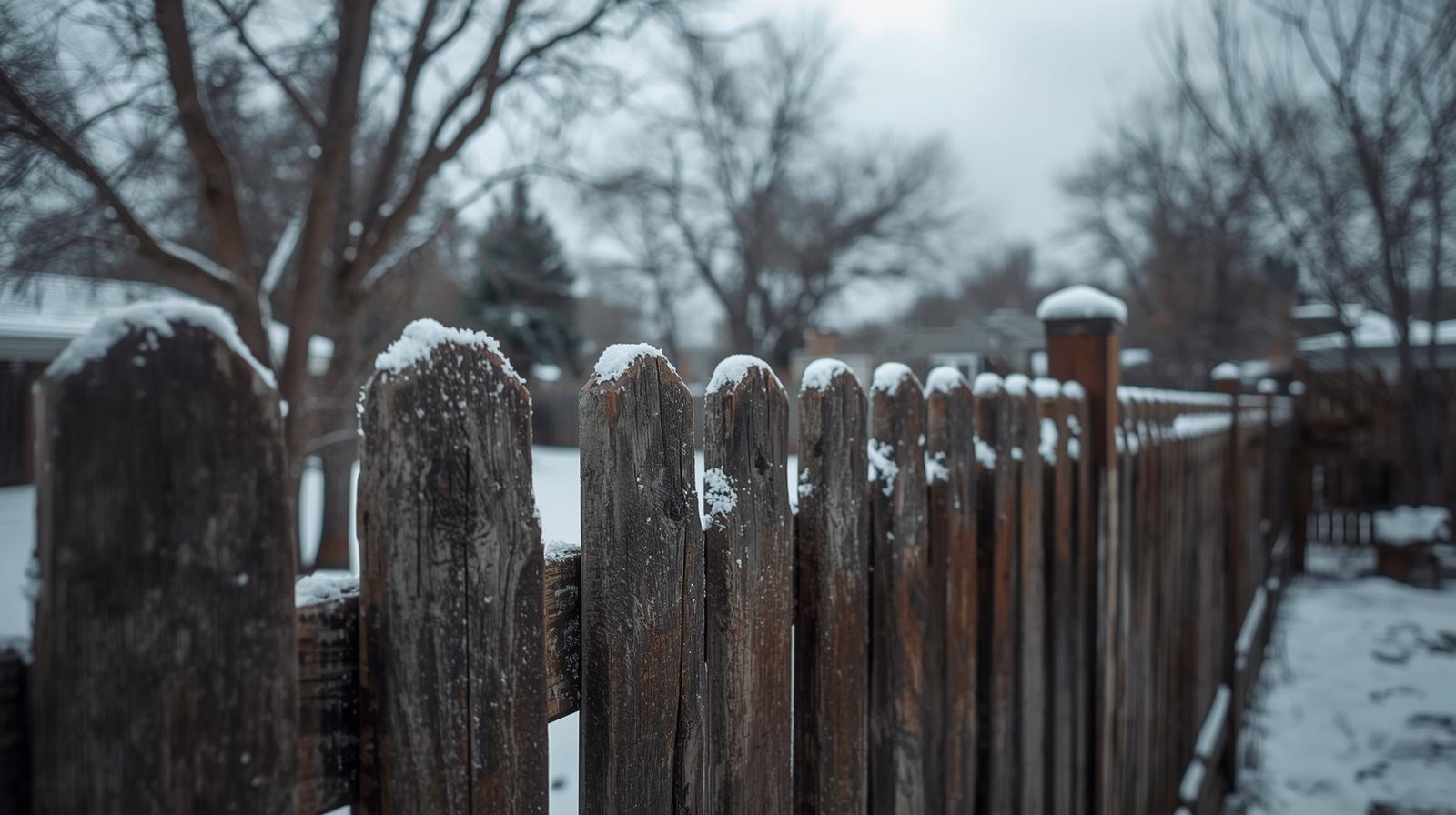
Winters in northern Illinois aren’t just cold — they’re tough on fences. Between deep freezes, heavy snow, ice buildup, and constant freeze–thaw cycles, your fence takes a beating every year. If you live near Rockford or anywhere across the Illinois–Wisconsin border region, a little preparation can add years to your fence’s life.
Whether you have wood, vinyl, chain link, or ornamental metal, here’s how to protect your investment and keep your fence strong through winter.
Why Illinois Winters Are Hard on Fences
Northern Illinois winters bring a mix of conditions that can quietly cause damage:
Freeze–thaw cycles that shift soil and loosen posts
Heavy, wet snow that adds weight and pressure
Ice accumulation that traps moisture against materials
Wind gusts across open suburban and rural properties
Over time, these stresses lead to leaning posts, cracked boards, loose panels, and rust.
Start with a Fall Fence Inspection
Before the ground freezes, walk your fence line and look for small issues that could become big problems.
What to check:
Loose or wobbly posts
Cracked or rotting boards
Gaps between panels
Rust spots on metal fencing
Loose hardware or hinges
Fixing minor issues in fall is much easier — and cheaper — than emergency repairs in January.
Protecting Wood Fences from Winter Damage
Wood fences are especially common around Rockford, and they need seasonal care.
Seal or Stain Before Winter
Moisture is wood’s biggest enemy. Applying a quality sealant or stain helps prevent water absorption that leads to:
Swelling and warping
Cracking during freezes
Rot at the base
Late summer or early fall is ideal so the fence can dry properly before cold weather sets in.
Keep Soil and Mulch Away from Boards
When soil or mulch stays piled against the bottom of boards, it traps moisture. Keep a small gap between the ground and the wood whenever possible.
Replace Damaged Boards Promptly
Cracked boards allow water to seep deep into the wood. Replacing them early prevents structural issues later.
Winter Care Tips for Vinyl Fencing
Vinyl fences handle moisture well but still need attention.
Avoid Impact from Snow Equipment
Snow blowers and plows are a major cause of cracked vinyl panels. Mark fence lines with tall stakes before snowfall so you know where to stop.
Don’t Let Heavy Snow Pile Up
Large snow drifts leaning against panels add pressure. Gently clear excess snow with a plastic shovel — never metal tools that can scratch.
Check for Loose Posts in Spring
Vinyl panels are flexible, but posts can shift if soil heaves. A spring inspection ensures everything is still aligned.
Keeping Metal and Chain Link Fences in Shape
Metal fences are durable but not invincible.
Address Rust Early
Small rust spots spread quickly when exposed to moisture and salt. Sand and treat affected areas before winter to prevent corrosion.
Watch for Ice Weight on Rails
Freezing rain can coat rails and pickets with heavy ice. Most fences handle this fine, but weakened sections may bend — another reason fall inspections matter.
Keep Gates Moving Freely
Moisture can freeze inside hinges and latches. Apply a weather-resistant lubricant before temperatures drop.
Preventing Frost Heave and Leaning Posts
One of the most common fence failures in Illinois is frost heave — when freezing soil expands and pushes posts upward or sideways.
Why it happens here
The frost line in northern Illinois can reach around 42 inches deep. If posts aren’t set below this depth, shifting soil can loosen them year after year.
What helps prevent it
Deep post installation below the frost line
Proper drainage around fence lines
Gravel bases that allow water to move away from posts
If your fence leans every spring, the issue may be structural rather than cosmetic.
Smart Snow and Ice Management Around Fences
How you manage snow matters.
Do:
Shovel snow away from fence bases when possible
Use plastic tools near fence surfaces
Redirect downspouts so meltwater doesn’t pool near posts
Don’t:
Pile shoveled snow directly against panels
Chip ice off fences with metal tools
Let sprinklers or hoses drip onto fences before a freeze
Standing water that refreezes repeatedly is especially damaging.
Trim Nearby Trees Before Winter
Overhanging branches become heavy with snow and ice. When they snap, they often land on fences.
Late fall pruning reduces the chance of:
Broken pickets
Bent rails
Crushed sections after storms
This is especially important on properties with mature trees common in older Rockford neighborhoods.
Plan for Spring Repairs Early
Even with the best care, winter can reveal weak points. As soon as the ground thaws:
Check for leaning sections
Tighten hardware
Replace cracked boards or panels
Re-level gates
Prompt spring repairs prevent further stress through summer storms and fall moisture.
Fence Winter Survival FAQ
How often should I seal a wood fence in Illinois?
Every 2–3 years on average, depending on sun exposure and moisture.
Can snow alone break a fence?
Yes — especially heavy, wet snow leaning against panels or ice buildup on weakened sections.
Is salt from sidewalks harmful to fences?
It can be. Salt accelerates corrosion on metal fences and can damage nearby wood over time.
Why does my fence lean every spring?
Most likely frost heave from shallow posts or poor drainage.
Should I remove snow from around my fence?
If drifts are deep and pressing against panels, gently clearing some snow helps reduce pressure.
A Little Maintenance Goes a Long Way
Illinois winters are unavoidable — but major fence damage doesn’t have to be. Regular inspections, moisture protection, and smart snow management can dramatically extend your fence’s lifespan.
If you’re unsure whether your fence is ready for winter or you’ve noticed recurring seasonal issues, Arrow Fence can offer practical guidance and solutions tailored to local soil and weather conditions — helping your fence stand strong year after year.
