
How to Improve Yard Drainage Before Fence Installation in Rockford
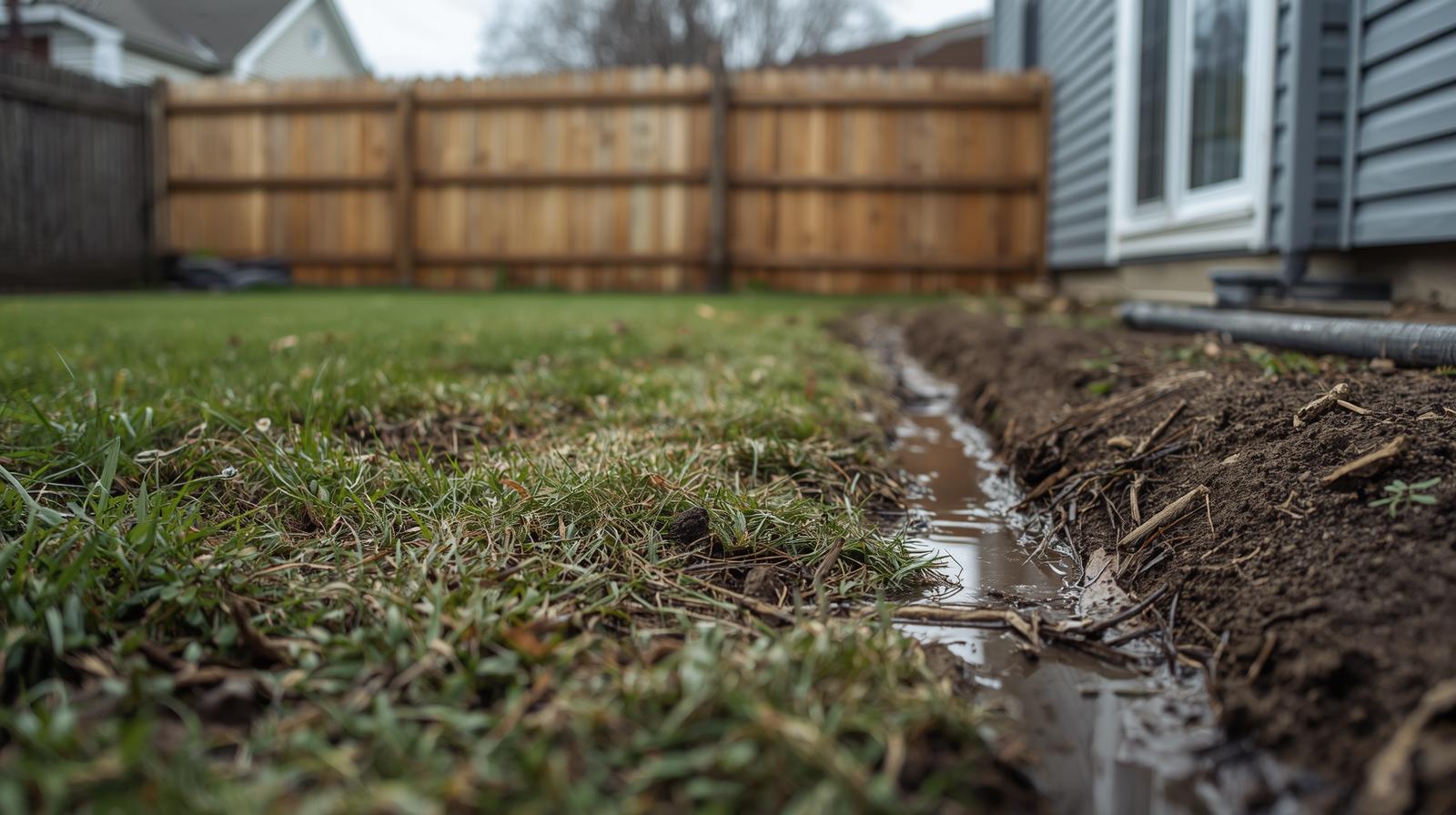
If you're planning a new fence in Rockford, there’s one critical step many homeowners overlook: yard drainage.
Northern Illinois weather can be tough on fences. Between spring downpours, melting snow, heavy clay soil, and flat backyard layouts common throughout Rockford neighborhoods, poor drainage can shorten the lifespan of even a professionally installed fence.
Before installing a new fence, it’s important to make sure your yard drains properly. Doing so protects your investment, prevents structural issues, and helps your fence stay straight and strong for years.
Let’s walk through what Rockford homeowners need to know.
Why Drainage Matters Before Fence Installation
Fence posts rely on stable soil. When water builds up around them, several problems can occur:
Posts shift or lean
Concrete footings crack
Wood posts rot prematurely
Metal posts corrode faster
Frost heave worsens in winter
In Rockford’s climate — with freezing winters and wet springs — poor drainage can accelerate all of these issues.
If you’ve ever noticed standing water in your yard after a storm, spongy soil near your property line, or erosion along fences in your neighborhood, drainage should be addressed before installation.
Understanding Rockford’s Soil and Weather Challenges
Heavy Clay Soil
Much of Rockford and surrounding Winnebago County sits on clay-heavy soil. Clay drains slowly and holds water longer than sandy soil. That means:
Water pools near fence lines
Posts stay saturated longer
Freeze-thaw cycles create more movement
Clay soil can absolutely support a durable fence — but it requires thoughtful preparation.
Seasonal Rain and Snow Melt
Rockford averages around 37 inches of rain annually, plus significant snowfall in winter. When snow melts quickly in early spring, yards can become oversaturated.
If your yard slopes slightly toward the back fence or toward a neighboring property, drainage issues can worsen.
Step 1: Identify Problem Areas in Your Yard
Before installing a fence, assess where water collects.
Walk Your Property After Rain
After a heavy rainfall:
Look for puddles along your planned fence line
Check low spots near property boundaries
Note areas where grass struggles to grow
Look for erosion or exposed roots
These signs indicate drainage improvements may be needed.
Check Downspouts and Roof Runoff
In many Rockford homes — especially in established neighborhoods — downspouts discharge close to property lines.
If roof runoff drains toward your fence line, water concentration can weaken posts over time.
Step 2: Improve Surface Drainage
Often, simple grading adjustments can dramatically improve yard drainage.
Regrade Low Areas
If your yard slopes toward the fence area, consider:
Adding topsoil to raise low spots
Creating a gentle slope away from fence lines
Ensuring water flows toward a safe drainage area
Proper grading encourages water to move away from posts rather than pool around them.
Install a Swale
A swale is a shallow drainage channel that redirects water.
For Rockford properties with larger backyards or slight slopes, a swale can:
Guide water toward a storm drain
Move runoff away from fence footings
Prevent erosion along property lines
Swales are especially helpful in subdivisions where yards naturally drain toward the back fence.
Step 3: Address Subsurface Drainage Issues
If your yard holds water for days after rainfall, deeper solutions may be needed.
French Drains
A French drain consists of:
A trench filled with gravel
A perforated pipe
Landscape fabric to prevent clogging
This system collects excess water and redirects it away from problem areas.
In Rockford’s clay soil, French drains can be very effective in keeping fence lines dry.
Dry Wells
For properties with limited slope, a dry well collects runoff and slowly disperses it underground.
This option works well when downspouts discharge near the fence line.
Step 4: Choose Fence Materials Wisely
Drainage and material choice go hand in hand.
Wood Fencing
Wood is beautiful and popular in Rockford neighborhoods, but it’s vulnerable to moisture.
If installing wood fencing:
Use pressure-treated posts
Ensure posts are set below frost depth
Improve drainage around footings
Avoid direct soil contact for panels when possible
Standing water is the leading cause of premature wood fence failure.
Vinyl Fencing
Vinyl doesn’t rot, but posts can still shift in saturated soil.
Good drainage protects:
Structural integrity
Alignment
Long-term appearance
Aluminum or Steel Fencing
Metal fences resist moisture better, but:
Footings can still crack
Soil movement can misalign sections
Drainage preparation protects every fence type.
Step 5: Plan for Winter Freeze-Thaw Cycles
In Rockford, frost depth typically reaches around 36–42 inches. When saturated soil freezes, it expands. This causes:
Post heaving
Fence leaning
Cracked concrete
Improving drainage reduces moisture in soil, which minimizes frost movement.
Properly installed posts combined with good drainage dramatically increase fence stability through Illinois winters.
Common Drainage Mistakes Before Fence Installation
1. Ignoring Minor Puddles
A small puddle now can become a bigger issue during heavy spring rains.
2. Installing Fence Before Correcting Grading
Fix drainage first. Installing a fence and then attempting regrading can damage panels and posts.
3. Directing Downspouts Toward Fence Line
This concentrates water at the exact location you’re trying to protect.
4. Skipping Soil Preparation
Clay-heavy soil benefits from gravel backfill around posts to improve drainage.
Rockford Property Layout Considerations
Many Rockford homes share common features:
Flat suburban backyards
Shared property line fencing
Older homes with mature trees
Sump pump discharge lines
Each of these can affect drainage.
For example:
Tree roots can redirect water flow
Sump pump lines can saturate soil near fences
Shared fences may require coordination with neighbors if grading adjustments are needed
Understanding these local property patterns helps avoid future fence problems.
When to Consult a Professional
If your yard has:
Persistent water pooling
Significant slope
Erosion near property lines
Previous fence failures
It’s wise to address drainage before installation.
Experienced fence professionals familiar with Illinois and Wisconsin conditions understand how local soil and weather impact fence longevity.
FAQ: Yard Drainage & Fence Installation in Rockford
How do I know if my yard drains poorly?
If water remains 24–48 hours after rainfall, grass struggles in certain areas, or soil feels spongy near your fence line, drainage improvements may be needed.
Can a fence be installed in clay soil?
Yes. Clay soil can support a fence when posts are properly set and drainage is improved. Gravel backfill and proper grading are especially important.
Will improving drainage increase fence lifespan?
Absolutely. Reducing moisture around posts minimizes rot, corrosion, shifting, and frost heave — all of which extend the life of your fence.
Should I install a French drain before or after fence installation?
Before. Installing drainage systems after a fence is built can disrupt footings and panels.
Does drainage matter for vinyl fencing?
Yes. While vinyl doesn’t rot, posts can still shift in saturated soil. Stable, dry soil improves overall fence alignment and performance.
Final Thoughts: Protect Your Fence Investment
Installing a fence in Rockford is a meaningful investment in your property’s privacy, security, and curb appeal. But without proper drainage, even a well-built fence can face preventable issues.
Taking time to:
Evaluate water flow
Correct grading
Improve soil drainage
Address runoff sources
…can significantly extend the life of your fence.
If you’re planning a fence project in Rockford or anywhere in northern Illinois or southern Wisconsin, working with a knowledgeable local contractor makes all the difference. The team at Arrow Fence understands the soil, weather, and property conditions unique to this region and can help ensure your fence is built on solid ground — literally.
When you’re ready to explore your options, it’s always worth having a conversation with experienced professionals who understand how to build fences that stand up to Midwest conditions.
