
Pet-Friendly Fence Ideas in South Beloit, IL: Privacy, Height and Gate Planning
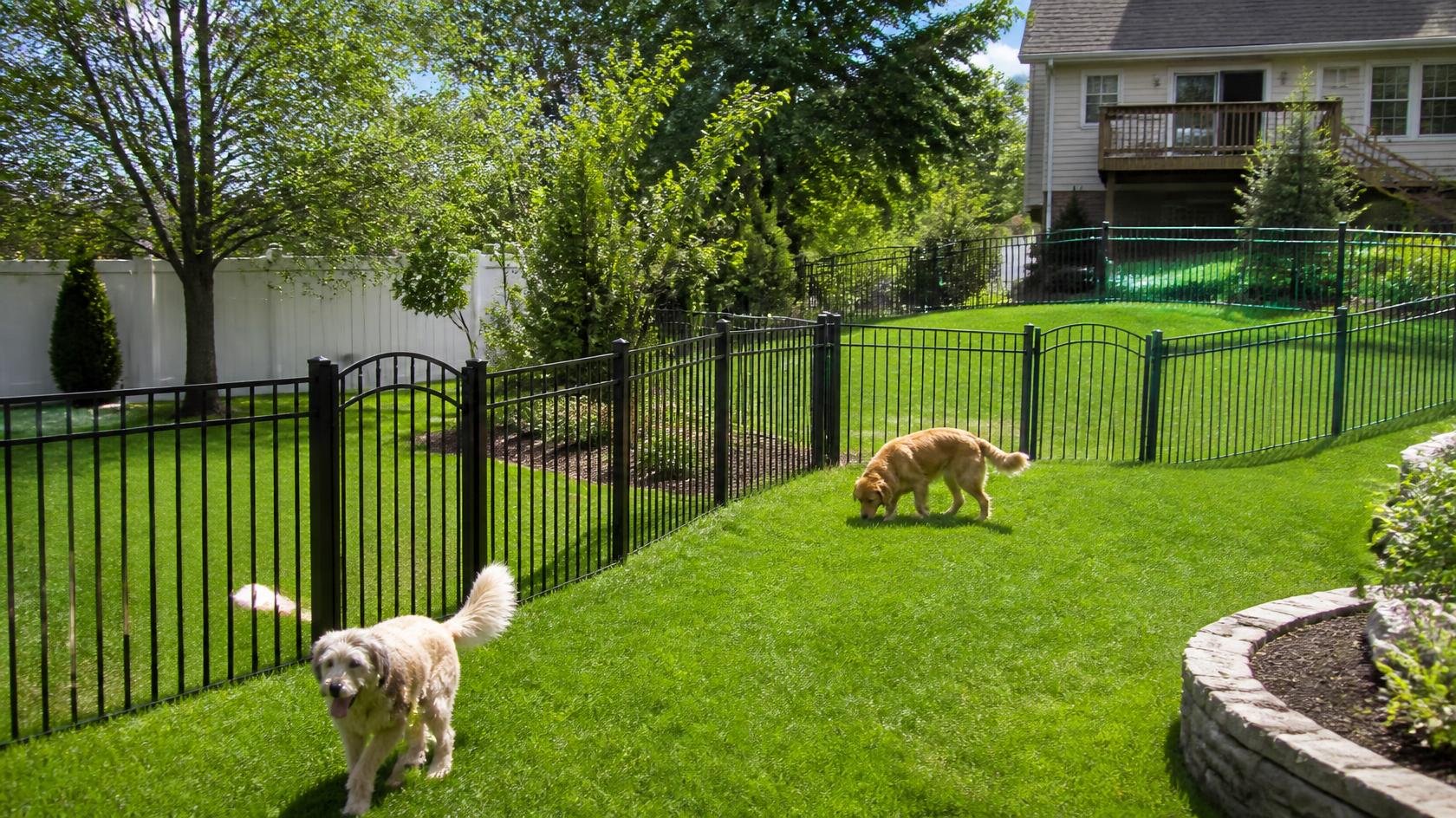
A pet-friendly fence in South Beloit should match the dog’s size, behavior, and activity level while also providing secure gates and the right amount of privacy. Wood, vinyl, chain link, and aluminum can all work, but fence height, ground gaps, visibility, digging habits, and gate placement should be planned before installation.
Start With Your Dog’s Behavior
The best fence for a pet is not always the same fence that works for the neighbor next door.
Before choosing a material or height, think about whether your dog:
Jumps
Climbs
Digs
Chases wildlife
Reacts to neighboring pets
Barks at pedestrians
Rushes gates
Tries to squeeze through openings
These behaviors help determine whether the yard needs a solid privacy fence, an open enclosure, a taller design, or additional protection near the ground.
Decide How Much Visual Privacy Your Dog Needs
Some dogs are calm even when they can see through a fence.
Others become more reactive when they see:
Neighboring dogs
Wildlife
Pedestrians
Vehicles
Children playing nearby
For dogs that become overstimulated by outside activity, a solid visual barrier can make the backyard easier to manage.
Wood and full-privacy vinyl are two common options for this type of screening.
Solid Wood Fencing for Privacy and Containment
Wood can provide strong privacy while creating a natural backyard appearance.
Solid vertical boards can help block outside views and work well around:
Shared property lines
Sidewalk-facing yards
Pet areas
Patios
Side yards
Wood can also be customized with different heights, stains, and gate styles.
The main consideration is maintenance. Homeowners should periodically check for loose boards, splinters, rot, damaged rails, and weak posts.
Board-on-Board Wood for Stronger Screening
Board-on-board fencing uses overlapping boards.
This can help reduce small sightlines that may develop as wood expands and contracts with changes in moisture and temperature.
For dogs that react to movement through narrow gaps, the extra coverage can be useful.
This style works especially well along:
Neighboring yards
Road-facing boundaries
Pet zones
Outdoor living areas
Vinyl Privacy Fencing
Full-privacy vinyl can also work well for dogs that benefit from a solid visual barrier.
Vinyl offers:
Consistent screening
A smooth surface
No routine staining
No routine painting
Relatively simple cleaning
Because the panels are solid, they can help block distractions outside the yard.
Vinyl fencing should still be inspected for post movement, damaged rails, gate alignment, and cracked components.
Chain Link for Open Pet Areas
Chain link is a practical option when containment matters more than privacy.
It can work well for:
Larger yards
Dog runs
Side-yard enclosures
Long property boundaries
Black vinyl-coated chain link can blend more quietly into landscaping than standard galvanized fencing.
The main tradeoff is visibility.
Dogs that react strongly to neighboring pets or passing activity may benefit more from a solid fence.
Add Privacy Only Where It Is Needed
A property does not always need solid fencing on every side.
Homeowners may use:
Vinyl privacy along a busy road
Wood along a neighboring dog area
Chain link along a quiet rear boundary
Aluminum near landscaping
This type of mixed layout can balance pet security, privacy, appearance, and airflow.
It may also help keep larger yards from feeling completely enclosed.
Aluminum for Calm Pets
Aluminum fencing can work well for calmer dogs when open views are preferred.
It can provide:
Decorative appearance
Yard definition
Open visibility
Lower routine maintenance
Before choosing aluminum, check:
Picket spacing
Fence height
Ground clearance
Dog size
Small dogs may fit through wider openings, and dogs that need a visual barrier may do better with another material.
Choose Fence Height Based on the Dog
Fence height should match the dog rather than follow a single rule for every pet.
Consider:
Size
Jumping ability
Athletic behavior
Climbing habits
Reaction to nearby activity
A small, calm dog may have very different needs from a large dog that regularly jumps at the fence.
Also check whether anything near the fence could provide extra height.
Avoid placing objects such as:
Benches
Firewood
Large planters
Storage bins
directly beside the fence if the dog may use them as climbing aids.
Ground Gaps Matter as Much as Height
A tall fence can still be ineffective if there are large openings underneath.
Ground gaps often appear near:
Gates
Slopes
Drainage areas
Low spots
Uneven terrain
Small dogs and puppies need extra attention.
Homeowners should inspect the lower fence line after rain, storms, and spring snowmelt because soil can gradually wash away.
Plan for Dogs That Dig
Some dogs focus on the bottom of the fence rather than the top.
Possible solutions may include:
Buried mesh
Gravel borders
Reinforced lower sections
Landscape edging
The right approach depends on the yard and fence material.
Homeowners should also determine whether the opening was caused by digging or by erosion.
A drainage issue should be corrected rather than treated only as a pet problem.
Gate Planning Is Critical
Many pet escapes happen near gates rather than along the main fence line.
A pet-friendly gate should include:
Stable posts
Strong hinges
A dependable latch
Minimal side gaps
Appropriate bottom clearance
The gate should close easily without requiring homeowners to lift, push, or force it into position.
If the latch regularly stops lining up, the posts or gate frame may be shifting.
Consider Latch Placement
Latch location can affect both convenience and security.
The latch should be easy for adults to use while reducing the chance of accidental opening.
Households with children should also think about whether the latch can be reached too easily.
The correct setup depends on the gate design and how the yard is used.
Consider a Two-Gate Entry Area
Dogs that rush toward open gates may benefit from a small transition area with two barriers.
This type of setup can be useful near:
Driveways
Sidewalks
Front yards
Frequently used entrances
A second gate creates another layer between the dog and the open exterior.
This can also make deliveries, yard work, and visitor access easier to manage.
Separate Daily Access From Equipment Access
A pet gate does not always need to be the same opening used for larger equipment.
A separate wide gate may be useful for:
Riding mowers
Trailers
Landscaping equipment
Utility vehicles
Outdoor furniture
Keeping the everyday pet gate smaller can make access easier to control.
Wide equipment gates should have strong posts and dependable hardware.
Plan Around Slopes
Sloped yards can create unexpected gaps beneath fencing.
Depending on the fence system, sections may be:
Stepped
Installed to follow the grade more closely
Pet owners should pay special attention where slopes meet:
Gates
Corners
Low areas
These locations can create larger openings than expected.
Check Drainage Around the Fence
Water movement can affect pet security.
Heavy rain and snowmelt can:
Wash soil away
Create new gaps
Expose footings
Affect gate alignment
Loosen posts
Before installation, identify drainage paths and low areas.
After severe weather, inspect those locations again.
Keep Landscaping From Hiding Problems
Dense landscaping can make a yard attractive, but it should not prevent fence inspections.
Leave enough room to check:
Posts
Gates
Lower fence sections
Ground gaps
Corners
Shrubs can hide digging or erosion.
Large plants, stacked materials, or outdoor furniture should also not create climbing opportunities.
Think About South Beloit Weather
Pet fencing in South Beloit needs to handle northern Illinois wind, rain, snow, ice, storms, and freeze-thaw cycles.
Homeowners should periodically:
Check posts
Test gates
Inspect latches
Look for ground gaps
Watch for erosion
Trim branches
Repair loose sections
Clear heavy snow carefully
Seasonal inspections are especially important after winter because soil movement can change gate alignment and ground clearance.
Compare Pet-Friendly Fence Options
Wood
Good for strong privacy, customization, and dogs that need visual screening.
Vinyl
Good for solid privacy and lower routine surface maintenance.
Chain Link
Good for practical containment and larger pet areas.
Aluminum
Good for calmer pets when open views and decorative appearance are preferred.
Mixed Materials
Good for yards where pets need privacy in some areas but not everywhere.
Repair Problems Before They Become Escape Points
Even a small defect can become a pet safety issue.
Watch for:
Loose boards
Broken rails
Bent mesh
Cracked vinyl
Leaning posts
Weak latches
New ground gaps
Minor repairs may be enough when the problem is isolated.
A larger replacement may make more sense when several sections are failing or the current fence no longer fits the pet’s needs.
Request a Free Pet-Friendly Fence Estimate
Arrow Fence helps South Beloit homeowners plan fencing for dogs, families, privacy, and safer backyard use.
Whether you are considering wood, vinyl, chain link, aluminum, mixed-material fencing, repairs, replacement, or secure new gates, Arrow Fence can help you compare practical options for your property and your pet.
Contact Arrow Fence at arrowfencerockford.com to request a free estimate for your pet-friendly fence project.
