
Privacy Fence Height and Layout in Belvidere, IL: What to Consider
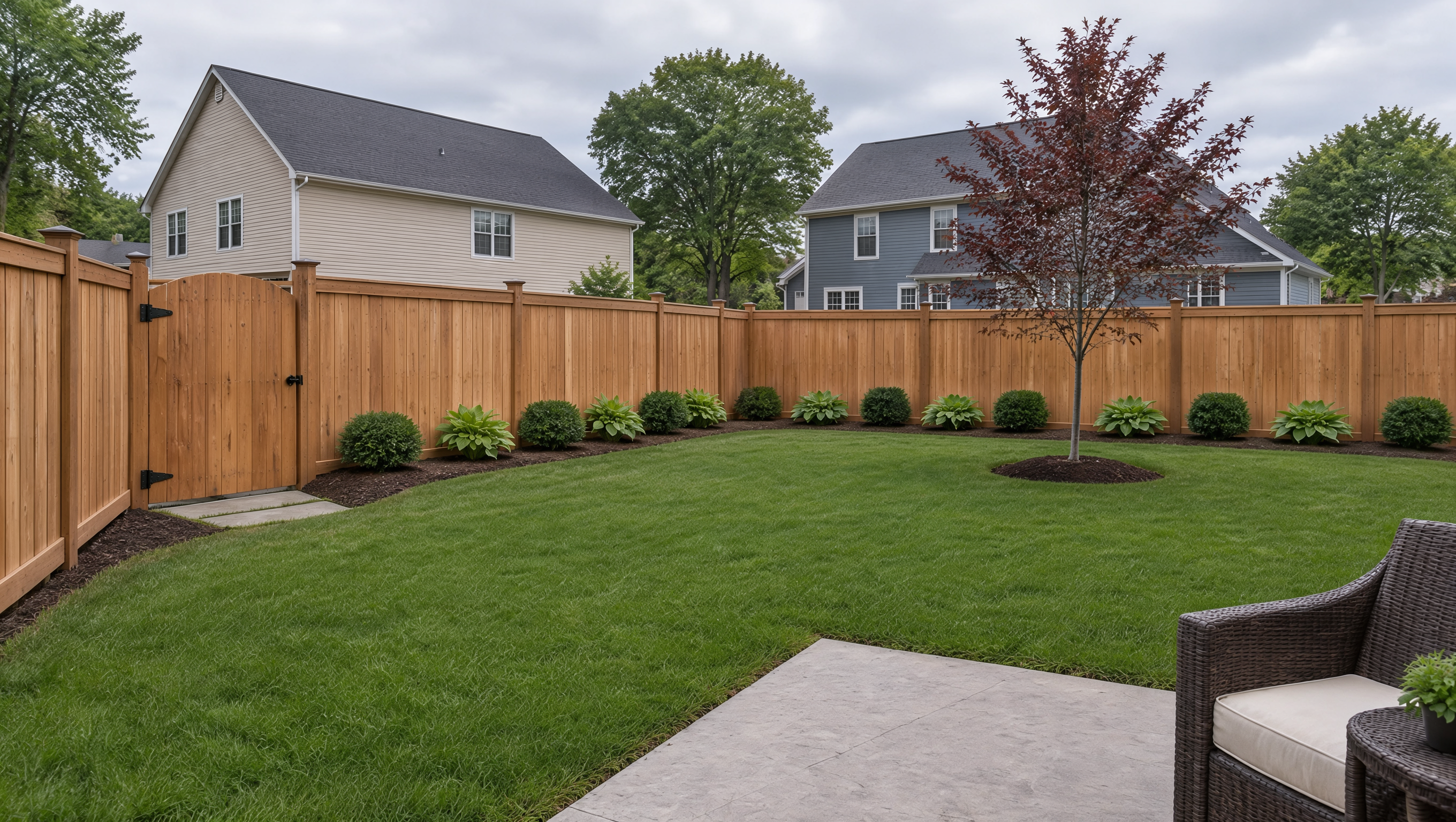
Privacy fence planning in Belvidere should start with sightlines, yard use, neighboring properties, pets, gates, slopes, and wind exposure. The tallest fence is not always the best choice. A well-planned layout can create privacy where it matters while keeping the yard comfortable, accessible, and visually balanced.
Decide What You Want to Screen
Privacy can mean different things from one property to another.
Some homeowners want separation from a neighboring yard, while others mainly want more privacy around:
Patios
Decks
Outdoor dining areas
Side yards
Pet spaces
Start by identifying the views you actually want to block.
This can help determine whether the whole yard needs the same fence height or whether targeted privacy would work better.
Look at Sightlines From Where You Spend Time
Do not judge privacy only while standing in the middle of the yard.
Check the view from:
Patio chairs
Deck seating
Kitchen or living room windows
Outdoor grills
Play areas
A fence that appears tall enough from one location may not block the same view from an elevated deck or neighboring property.
Planning around actual sightlines can prevent unnecessary fence height while still improving privacy.
Taller Is Not Always Better
A taller fence can provide more screening, but height also changes how the yard feels.
Very tall solid fencing may:
Reduce the feeling of openness
Cast more shade
Block airflow
Increase wind exposure
For a smaller backyard, a slightly lower fence or selective privacy sections may feel more comfortable.
The goal should be enough screening for the space rather than automatically choosing the maximum possible height.
Review Applicable Local Requirements
Fence height and placement may be affected by local requirements.
Before installation, applicable rules should be reviewed for areas such as:
Front yards
Side yards
Backyards
Corner properties
Visibility near driveways
A contractor can help identify what needs to be checked, but homeowners should avoid finalizing a design before confirming that the proposed layout is appropriate for the property.
Consider Changes in Ground Elevation
Fence height is measured from the ground, but the ground may not stay level.
A sloped yard can make one section appear taller or shorter than another.
This matters when:
Neighboring property sits higher
The yard slopes toward the rear
A patio is elevated
Retaining walls are nearby
A good layout accounts for grade changes instead of treating the entire fence line as level.
Use Wood for Flexible Privacy Design
Wood offers several options for controlling privacy and appearance.
Solid Vertical Wood
Closely spaced boards create strong screening and a traditional backyard look.
Board-on-Board
Overlapping boards help reduce sightlines as wood naturally expands and contracts.
Shadowbox
Shadowbox fencing provides partial privacy with more airflow and visual depth.
Horizontal Wood
Horizontal boards can create a more modern look around patios or outdoor living spaces.
The style can affect how enclosed the yard feels even when fence heights are similar.
Vinyl Offers Consistent Screening
Full-privacy vinyl provides a clean, uniform barrier.
It can work well along:
Shared property lines
Patios
Side yards
Pet areas
Vinyl also requires less routine surface maintenance because it does not need regular staining or sealing.
Semi-private vinyl can be used where homeowners want some separation without completely blocking light and airflow.
Consider a Mixed Privacy Layout
Not every boundary needs the same fence.
A Belvidere backyard might use:
Full-privacy vinyl near the patio
Wood along a neighboring property
Chain link around a larger dog area
Aluminum near landscaping
This can provide screening where it matters while preserving open views in other areas.
A mixed layout can also help large yards feel less visually enclosed.
Keep Gate Placement Part of the Privacy Plan
Gates interrupt a solid fence line, so they should be planned carefully.
Think about both privacy and daily access.
A gate may be needed between:
Driveway and backyard
House and side yard
Patio and front yard
Backyard and equipment area
Gate placement should make movement convenient without creating an unwanted direct view into a private area.
Choose Gate Width Before Installation
Privacy fence layout should also account for equipment.
Measure anything that needs backyard access, such as:
Riding mowers
Trailers
Garden carts
Landscaping equipment
A wider gate can be useful, but it also requires stronger support.
Deciding width before post installation helps avoid expensive layout changes later.
Plan for Pet Privacy and Security
For some dogs, a privacy fence does more than screen the yard.
Solid fencing can reduce visual triggers such as:
Neighboring pets
Pedestrians
Wildlife
Passing vehicles
Height should be selected based on the dog's behavior, not size alone.
Also check:
Ground gaps
Gate security
Digging areas
Slopes
A tall fence will not provide secure containment if there are openings underneath.
Watch for Sloped Ground Near Gates
Slopes can create awkward transitions at gate openings.
Possible problems include:
Large bottom gaps
Dragging gates
Uneven side clearance
Gate locations should ideally avoid the most difficult grade changes where possible.
If a gate must be installed on a slope, the layout should be planned around both clearance and pet security.
Think About Wind Before Choosing Solid Height
Solid privacy fencing catches more wind than chain link or aluminum.
This is especially important around:
Long exposed fence runs
Corners
End posts
Wide gates
A taller fence creates more surface area for wind pressure.
Stable posts and proper support are important, particularly in open areas without buildings or landscaping to reduce exposure.
Do Not Ignore Drainage
Fence layout can affect how easy it is to inspect and manage drainage.
Before installation, check for:
Standing water
Erosion
Downspout runoff
Soft soil
Low spots
Posts installed in problem areas may be more likely to move over time.
The fence should not block natural runoff or hide an existing drainage issue.
Leave Room Around Landscaping
Trees and shrubs can influence both fence height and location.
Consider how mature landscaping affects:
Privacy
Shade
Sightlines
Access for maintenance
Existing shrubs may already provide screening in certain areas, allowing a more open fence design.
Avoid placing a fence so close to vegetation that future trimming or repairs become difficult.
Keep Side Yards Functional
Side yards can become tight once privacy fencing is installed.
Before finalizing the layout, check that there is still enough space for:
Trash containers
Mowers
Walkways
Utility access
Gate swing should also be considered.
A privacy fence should improve the property without making normal yard access frustrating.
Think About Winter Use
Belvidere winters can change how the yard functions.
Consider where:
Snow is shoveled
Snowblowers travel
Snow piles accumulate
Frequently used gates should remain accessible.
Avoid designing a gate swing directly into an area where snow is normally stored.
A Good Layout Balances Privacy and Space
The best privacy fence is not necessarily the tallest or most solid option available.
A strong plan considers:
Sightlines
Yard size
Patio location
Pets
Gates
Slopes
Drainage
Wind
Landscaping
By adjusting height and material from one section to another, homeowners can create privacy without making the yard feel unnecessarily closed in.
Request a Free Privacy Fence Estimate
Arrow Fence helps Belvidere homeowners plan privacy fencing around patios, pets, property lines, landscaping, and everyday yard access.
Whether you are considering wood, vinyl, semi-private fencing, mixed materials, replacement, or a new installation, Arrow Fence can help you review practical height and layout options for your property.
Contact Arrow Fence at arrowfencerockford.com to request a free estimate for your privacy fence project.
