
Privacy Fence Ideas in Milton, WI for Homes and Backyards
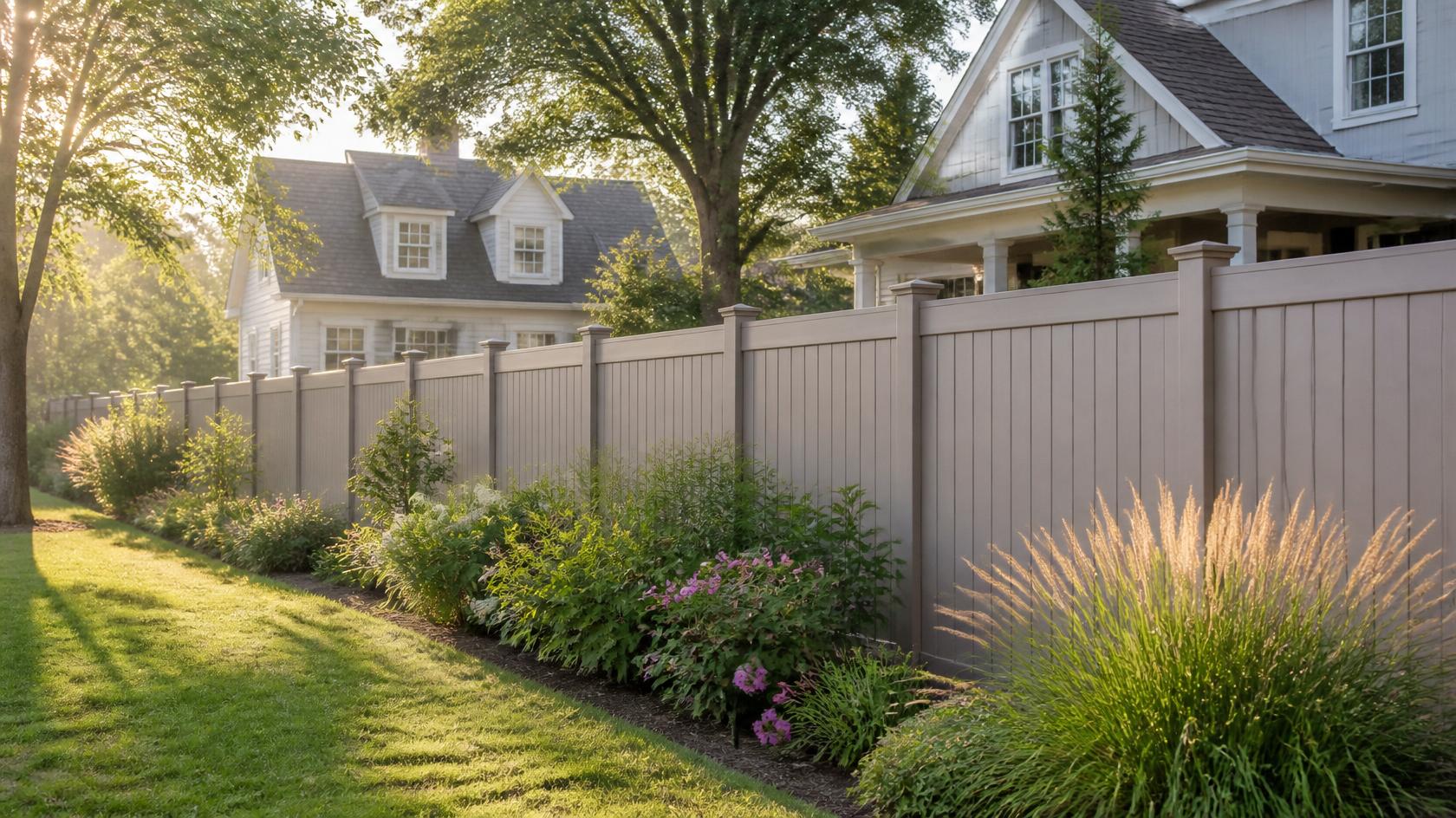
A privacy fence can make a Milton backyard more comfortable, secure, and useful for families, pets, and outdoor gatherings. Wood and vinyl provide the strongest screening, while chain link, aluminum, and mixed-material layouts can solve specific access, visibility, and budget needs.
Start With the Privacy You Actually Need
Privacy fencing does not always mean surrounding the entire property with tall solid panels. The best design depends on where neighboring views, sidewalks, roads, patios, and outdoor living areas are located.
Some Milton homeowners need full screening around a patio or hot tub. Others may only need privacy along one shared property line or around a backyard seating area.
Before choosing a style, consider:
Neighboring windows and decks
Patio and grilling areas
Children’s play spaces
Pet activity
Yard size and slope
Gate and equipment access
Landscaping and drainage
Preferred maintenance level
A fence planned around the property’s actual sightlines can provide privacy without making the yard feel unnecessarily enclosed.
Solid Wood Privacy Fencing
Wood is a traditional privacy fence material that offers warmth, flexibility, and a natural appearance.
Solid vertical boards can screen nearby homes, patios, sidewalks, and road traffic. They are also helpful for dogs that become distracted by people, vehicles, or animals outside the yard.
Popular wood privacy styles include:
Solid-board fencing
Board-on-board fencing
Horizontal fencing
Lattice-top panels
Framed panel designs
Decorative post-and-cap styles
Wood can be stained to coordinate with the home, deck, shed, or landscaping. This makes it a strong option for homeowners who want the fence to feel like part of the overall backyard design.
However, wood needs regular care. Cleaning, staining, sealing, and replacing worn boards help protect it from moisture, snow, and changing Wisconsin temperatures.
Board-on-Board Fencing for Better Coverage
Board-on-board fencing uses overlapping boards to reduce visible gaps.
Wood naturally expands and contracts as moisture and temperatures change. Standard boards may eventually develop narrow spaces between them. The overlapping layout helps maintain privacy even as the material moves.
This style works well for homeowners who want:
Consistent backyard screening
A sturdy residential appearance
Reduced gaps between properties
Better coverage over time
A fence suitable for children and pets
Board-on-board fencing requires more lumber than a basic solid fence, but the improved coverage may be worth the added cost for homeowners who prioritize privacy.
Shadowbox Fencing for Airflow
Shadowbox fencing alternates boards on opposite sides of the rails. It provides partial privacy while allowing more wind and light to pass through.
This can be useful on open Milton properties where solid fencing would experience significant wind pressure. It also looks finished from both sides, which can be appealing along shared property boundaries.
Shadowbox fencing is not completely private when viewed at an angle. Homeowners should examine neighboring sightlines before selecting this style.
It may be a good compromise for people who want separation without creating a completely closed backyard.
Horizontal Wood Fence Ideas
Horizontal fencing provides a more modern appearance than traditional vertical boards.
The long lines can make a narrow yard appear wider and can complement contemporary siding, simple landscaping, and updated patios.
Horizontal designs require strong framing. Long boards may sag or warp when they are not properly supported.
Installation should also account for uneven ground. Careful planning helps keep the boards visually balanced and prevents large gaps beneath the fence.
Vinyl Privacy Fencing
Vinyl is a practical choice for homeowners who want full privacy with less routine maintenance.
Solid vinyl panels create consistent screening and do not require painting, staining, or sealing. Vinyl also does not splinter or absorb moisture like wood.
Common vinyl styles include:
Full-privacy panels
Semi-private fencing
Lattice-top panels
Picket-top designs
Scalloped or arched sections
Wood-look finishes
Vinyl works well around patios, play areas, pools, pet spaces, and neighboring lot lines.
Although vinyl is low maintenance, it still needs strong installation. Solid panels catch wind, making proper post depth, stable footings, and secure rails especially important.
Decorative Privacy Fence Tops
Decorative tops can make tall privacy fencing feel less heavy.
Lattice, picket, arched, and scalloped details add character while keeping the lower portion of the fence solid.
These options may coordinate well with:
Traditional homes
Covered porches
Garden spaces
Decorative landscaping
Patios and decks
Open top sections allow more light and airflow, but they may reduce privacy from elevated neighboring decks or second-story windows.
Homeowners should consider both ground-level and raised sightlines before choosing a decorative design.
Semi-Privacy Fence Options
Semi-private fencing includes narrow spaces between boards or panels. It provides screening while allowing more air to move through the fence.
This style can prevent a small backyard from feeling completely closed in. It may also reduce wind pressure compared with solid panels.
Semi-private designs are useful for:
Side yards
Garden boundaries
Larger lots
Patio screening
Shared property lines
The gaps may not be suitable for very small pets, and they will not provide the same visual coverage as solid wood or vinyl.
Privacy Fencing for Dogs
A privacy fence can create a safer and calmer backyard for pets.
Solid panels limit outside views, which may reduce barking and pacing caused by passing people, animals, or vehicles.
The fence should be designed around the pet’s behavior.
Small Dogs
Small dogs need minimal gaps beneath panels and around gates. Openings near the house, posts, and sloped ground should be checked carefully.
Large or Athletic Dogs
Larger dogs may need taller fencing, reinforced gates, stable posts, and strong lower rails.
Dogs That Dig
Dig barriers, reinforced lower sections, landscaping borders, or buried wire may help prevent escapes.
Reactive Dogs
Solid wood or vinyl panels can block visual triggers and create a quieter outdoor environment.
Regular inspections are important because soil erosion, loose boards, or gate movement can create new escape points.
Privacy Fence Ideas for Families
A privacy fence can help create a defined play area away from roads, driveways, neighboring properties, and other hazards.
Family-friendly features may include:
Secure gate latches
Self-closing gates
Smooth surfaces
Minimal openings
Stable posts
Gates positioned away from traffic
Clear views near play equipment
Wood fences should be inspected for splinters, loose boards, and exposed fasteners. Vinyl panels should be checked for cracks, especially after storms or accidental impact.
If the yard includes a pool, the fence and gate design must meet applicable safety requirements.
Planning Gates and Access
A privacy fence should make the backyard more useful, not harder to access.
Many properties benefit from a standard walk gate between the driveway and backyard. A wider double gate may be needed for riding mowers, trailers, landscaping equipment, or future projects.
Gate locations should account for:
Driveways and sidewalks
Patios and decks
Garbage and recycling bins
Utility meters
Air-conditioning equipment
Drainage paths
Mowing routes
Future sheds or pools
Heavy wood gates need proper bracing to prevent sagging. Vinyl gates may require reinforced frames and strong posts.
Pet owners should also check ground clearance and latch placement carefully.
Mixing Fence Materials
A property does not need the same fence material along every boundary.
A mixed layout can improve privacy while controlling cost and preserving open views.
For example:
Use wood or vinyl around the patio.
Install chain link around a distant pet area.
Use aluminum near the front yard.
Add ornamental fencing around a garden.
Place solid panels only along neighboring sightlines.
This approach can make the yard more functional and prevent tall fencing from overwhelming the property.
Comparing Common Fence Materials
Wood
Wood offers natural character, strong privacy, and flexible design. It needs staining, sealing, and regular inspections.
Vinyl
Vinyl provides full privacy with less routine maintenance. It does not rot or require painting, but damaged panels may need complete replacement.
Chain Link
Chain link is durable, affordable, and practical for pets. Privacy slats or screens can improve coverage but increase wind resistance.
Aluminum
Aluminum provides an open, decorative boundary with low maintenance. It works well near gardens, pools, and front yards.
Ornamental Fencing
Ornamental fencing adds curb appeal and structure but does not provide full visual screening.
Preparing for Milton Weather
Privacy fencing in Milton must handle strong winds, heavy rain, snow, ice, storm damage, and freeze-thaw cycles.
Repeated freezing and thawing can shift soil around posts. Heavy snow can place pressure on lower panels, while storms may loosen hardware or damage fence sections.
Seasonal maintenance should include:
Checking for leaning posts
Testing gate latches and hinges
Inspecting panels after storms
Removing leaves from the fence base
Trimming nearby branches
Cleaning vinyl surfaces
Sealing or staining wood as needed
Watching for erosion beneath panels
Clearing heavy snow carefully
Solid fences experience more wind pressure than chain link or ornamental styles. Strong posts and stable footings are essential, especially on open properties.
Repairing or Replacing a Privacy Fence
Limited damage may only require repairs.
Loose boards, worn hinges, damaged latches, and individual leaning posts can often be corrected without replacing the entire fence.
Replacement may be more practical when:
Several posts are unstable
Rot affects multiple wood sections
Vinyl panels are widely cracked
Gates repeatedly stop aligning
Storm damage affects most of the fence
Previous repairs continue to fail
A professional inspection can help determine which option offers better long-term value.
Create a More Comfortable Backyard
The right privacy fence should support the way the household uses the property.
Consider current and future pets, children, patios, gardens, sheds, pools, landscaping, and equipment access before choosing the layout.
A carefully planned fence can improve privacy, safety, curb appeal, and everyday backyard use for years.
Request a Free Privacy Fence Estimate
Arrow Fence helps homeowners in Milton and surrounding communities plan privacy fencing for backyards, pets, families, patios, and property boundaries.
Whether you are considering wood, vinyl, chain link, aluminum, ornamental fencing, repairs, replacement, or new gates, Arrow Fence can help you compare practical options.
Contact Arrow Fence at arrowfencerockford.com to request a free estimate for your privacy fence project.
