
Privacy Fence Installation in Loves Park, IL: Fall Timing, Materials and Yard Prep
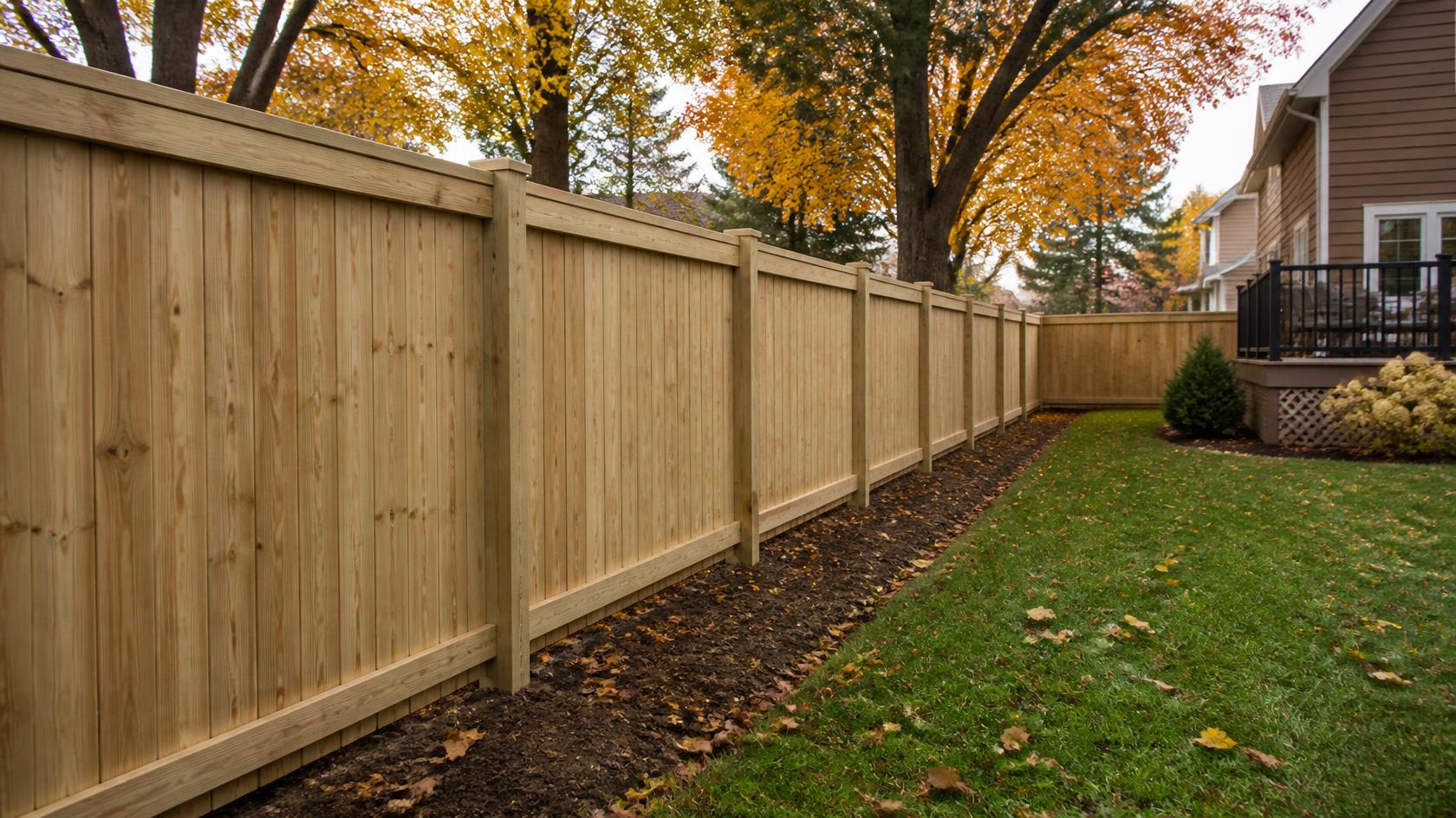
Fall can be a practical season for privacy fence installation in Loves Park, especially when homeowners plan before colder weather limits outdoor work. Choosing the right material, confirming property boundaries, preparing gates and access points, checking drainage, and clearing the fence line early can help make the project smoother before winter.
Why Fall Can Be a Good Time to Plan a Privacy Fence
Fall often brings homeowners back outside to finish projects before winter.
For a privacy fence, that can mean addressing an exposed backyard, replacing an aging fence, creating a more secure pet area, or preparing the yard for next spring.
A fall project works best when important decisions are made early.
Before installation, homeowners should have a clear idea of:
Where privacy is needed
Which material fits the property
Fence height
Gate locations
Property boundaries
Yard access
Drainage
Slopes
Landscaping
Pet needs
As temperatures drop and daylight hours get shorter, good planning becomes increasingly important.
Decide Where Privacy Matters Most
A privacy fence does not always need to surround the entire yard.
Start by identifying the areas with the strongest sightlines from:
Neighboring homes
Sidewalks
Roads
Nearby patios
Side yards
Outdoor gathering areas
Some Loves Park properties may only need solid fencing along one or two boundaries.
Targeted privacy can keep other areas more open while reducing the amount of fencing that needs maintenance.
Wood Privacy Fencing for a Natural Look
Wood remains a popular privacy option because it offers warmth, flexibility, and a traditional backyard appearance.
It works especially well around:
Patios
Decks
Gardens
Side yards
Pet areas
Shared property lines
Homeowners can choose different board arrangements, stains, decorative tops, and gates.
Solid Vertical Wood
Traditional vertical boards provide strong screening and a familiar look.
This style can work well where neighboring properties or roads create direct sightlines into the yard.
Board-on-Board Wood
Board-on-board fencing uses overlapping boards to provide stronger visual coverage.
Because wood naturally expands and contracts as moisture and temperatures change, the overlapping design can help reduce visible gaps.
Shadowbox Wood
Shadowbox fencing allows more airflow while providing partial privacy.
It may work well in larger or more wind-exposed areas, though it does not provide complete screening from every angle.
Consider Wood Maintenance Before Winter
Fall installation means homeowners should also think about how the fence will enter its first winter.
Wood fencing should be periodically checked for:
Cracks
Loose boards
Splinters
Moisture exposure
Gate alignment
Post stability
If staining or sealing is part of the plan, the product’s temperature and weather requirements should be followed carefully.
Do not assume every fall day is suitable for applying a finish.
Vinyl Privacy Fencing for Easier Upkeep
Vinyl can be a practical choice for homeowners who want consistent privacy with less routine surface maintenance.
It does not require regular:
Painting
Staining
Sealing
Full-privacy vinyl panels can create a clean visual barrier around backyards, patios, pet areas, and side yards.
Routine care usually involves washing the surface and checking posts, rails, gates, and hardware.
Full-Privacy vs Semi-Private Vinyl
Full-privacy vinyl provides the strongest screening.
Semi-private vinyl includes narrow openings that allow more light and airflow through the fence.
Semi-private designs can work well where homeowners want:
Some privacy
Better airflow
A less enclosed feel
More visual openness
For households with small dogs, opening sizes should be reviewed carefully.
Chain Link With Privacy Features
Chain link is normally an open fence, but privacy slats or screening can be added to selected sections.
This may be useful where homeowners need:
Pet containment
Long boundary fencing
Selective screening
Practical side-yard fencing
Privacy additions increase wind pressure on the fence framework.
If complete screening is the main goal, wood or vinyl may provide a more consistent solution.
Mixed-Material Layouts Can Make Sense
Not every part of a property needs the same fence.
For example, a Loves Park homeowner might use:
Vinyl privacy near a patio
Wood along a neighboring boundary
Chain link around a pet area
Aluminum near landscaping
This can help balance:
Privacy
Appearance
Maintenance
Airflow
Yard openness
Mixed-material layouts can be especially useful on larger properties.
Confirm the Fence Line Before Installation
Before posts are installed, confirm where the fence should go.
Review:
Property markers
Surveys if available
Easements
Utility areas
Existing fence lines
Applicable local requirements
An old fence, hedge, or mowing pattern may not accurately represent the actual property boundary.
Confirming the layout before installation can help prevent future adjustments.
Plan Gates Before the Posts Go In
Gate placement has a major effect on how useful the finished fence will be.
Think about where people and equipment need to enter the yard.
A standard walk gate may be enough for daily use, but wider openings may be needed for:
Riding mowers
Trailers
Landscaping equipment
Utility vehicles
Outdoor furniture
Construction materials
Measure the largest equipment that may need access before choosing the gate width.
Wide gates require strong posts and dependable hardware.
Think About Winter Gate Access
A gate that works well in warm weather should also be easy to use after snow arrives.
Consider:
Where snow tends to collect
Which walkways are cleared
How garbage containers move through the yard
Whether pets use the gate daily
Where snow-removal equipment operates
Avoid creating a gate area that will constantly be blocked by snow piles.
Prepare the Yard Before Installation
A clear fence line makes installation easier.
Before work begins, move or trim:
Shrubs
Vines
Garden edging
Outdoor furniture
Planters
Toys
Hoses
Stored equipment
Tree branches should also be trimmed if they interfere with the planned fence.
Leave enough room for future mowing, cleaning, inspections, and repairs.
Check for Slopes
Elevation changes affect fence layout.
Depending on the material, fence sections may be:
Stepped
Installed to follow the grade more closely
Slope planning is especially important near gates and pet areas.
Large spaces beneath panels can reduce privacy and create escape points.
The transitions between flat and sloped areas should be planned before installation starts.
Check Drainage Before Fall Rain and Snow
Drainage should be part of the fence plan, especially before winter.
Look for:
Low spots
Erosion
Downspout discharge
Standing water
Runoff paths
Soft soil
Heavy fall rain and spring snowmelt can wash soil away from posts or create gaps beneath the fence.
The fence should work with the natural movement of water rather than creating new drainage problems.
Prepare Privacy Fencing for Wind
Solid privacy fencing catches more wind than open fence designs.
This applies to:
Solid wood
Full-privacy vinyl
Chain link with privacy screening
Stable posts and proper installation are important on exposed parts of the property.
Homeowners may also consider whether semi-private or more open styles make sense in areas where full screening is unnecessary.
Plan Around Pets
If the fence is partly for pet containment, consider the dog’s behavior before installation.
Ask whether the dog:
Jumps
Digs
Climbs
Reacts to pedestrians
Chases wildlife
Rushes gates
Solid wood and vinyl can help block outside views.
Chain link can work well for dogs that do not need visual privacy.
Whatever material is chosen, inspect:
Gate security
Fence height
Ground gaps
Latch placement
Post stability
Pet needs should be built into the original design rather than addressed after installation.
Leave Room for Fall Cleanup
Fencing can affect how leaves move and collect around the yard.
Solid privacy panels may trap leaves along the fence line.
When planning the layout, leave enough access for:
Leaf removal
Mowing
Drainage checks
Fence inspections
Wet leaves should not remain piled against wood fencing for long periods because they can hold moisture against the material.
Plan for Snow Removal
Consider where snow will be pushed during winter.
Avoid designing a fence line that leaves no room to clear:
Driveways
Walkways
Patios
Gate areas
Repeatedly piling heavy snow directly against a fence can add unnecessary pressure to panels and posts.
Snow-removal equipment should also have enough clearance to avoid hitting the fence.
Review Existing Fence Removal
If the project replaces an older privacy fence, inspect it before deciding whether every section needs replacement.
Look for:
Leaning posts
Rot
Cracked panels
Loose rails
Gate problems
Widespread damage
Minor isolated issues may sometimes be repaired.
Replacement may be more appropriate when multiple sections are failing or the existing layout no longer provides enough privacy or useful access.
Think Beyond This Fall
A well-planned fence should work after winter too.
Consider whether you may add:
A patio
A shed
New landscaping
A play area
Outdoor furniture
Additional equipment access
Planning for future use can reduce the need to modify gates or remove fence sections later.
Final Fall Privacy Fence Checklist
Before installation, confirm:
Fence material
Fence style
Height
Property boundaries
Privacy areas
Gate locations
Gate widths
Pet needs
Drainage
Slopes
Landscaping clearance
Snow-removal access
Existing fence removal
Completing these decisions early can make a fall project easier to manage as temperatures continue to drop.
Request a Free Privacy Fence Estimate
Arrow Fence helps Loves Park homeowners plan privacy fencing for backyards, pets, side yards, outdoor living spaces, and fall installation projects.
Whether you are considering wood, vinyl, chain link, mixed-material fencing, fence replacement, repairs, or new gates, Arrow Fence can help you compare practical options for your property.
Contact Arrow Fence at arrowfencerockford.com to request a free estimate for your privacy fence installation.
