
Privacy Fence Installation in Roscoe, IL: What Material Should You Choose?
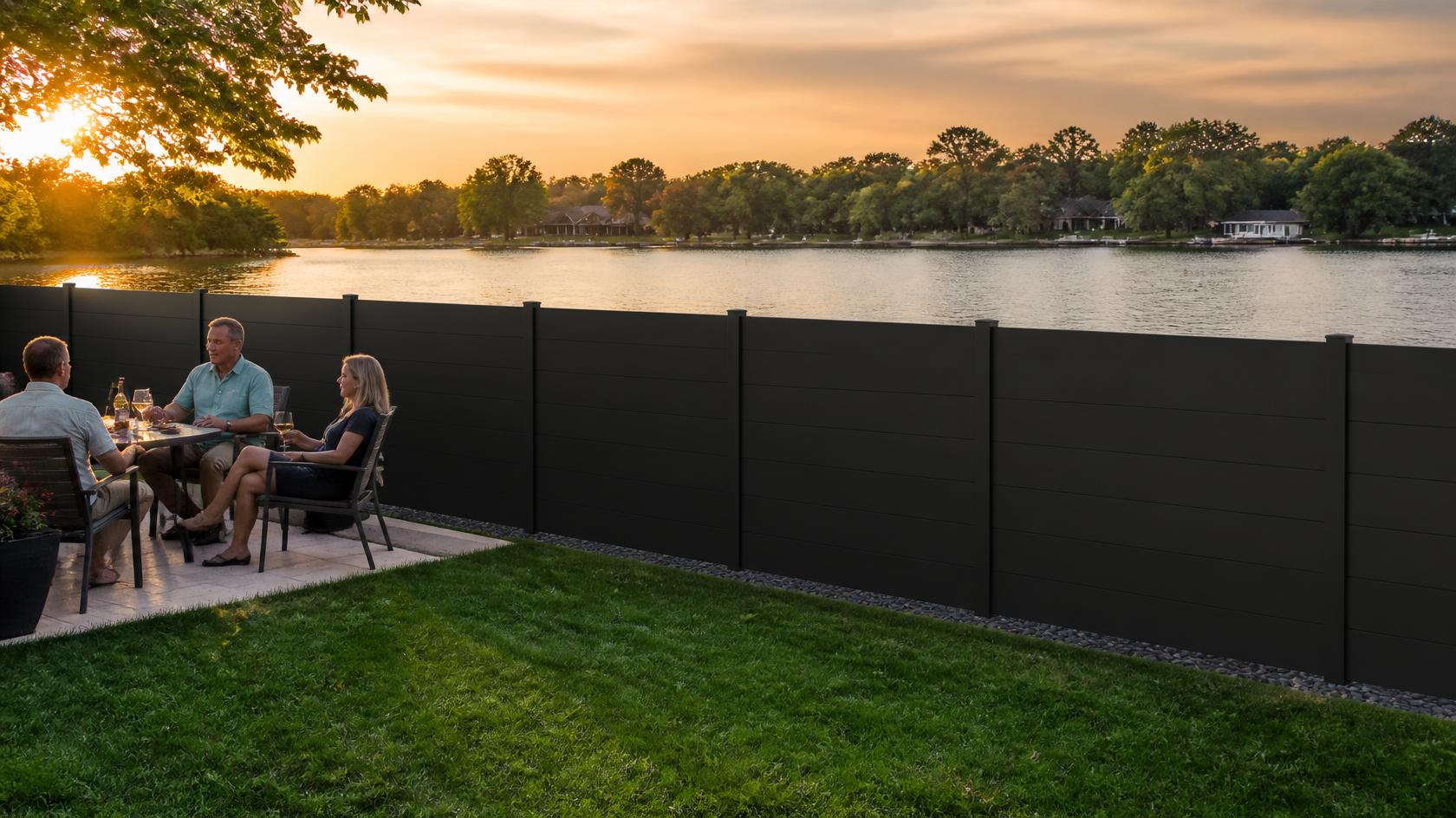
Roscoe homeowners choosing a privacy fence should compare wood, vinyl, chain link with privacy additions, and mixed-material layouts based on appearance, maintenance, pets, wind exposure, and budget priorities. Wood offers natural character and flexibility, while vinyl provides consistent screening with lower routine upkeep.
Start With the Reason You Want More Privacy
Choosing a privacy fence is easier when you know exactly what you want the fence to accomplish.
Roscoe homeowners may want privacy fencing to:
Block views from neighboring properties
Create a more comfortable patio or deck
Enclose dogs
Define a children’s play area
Screen a road or sidewalk
Hide utility or storage areas
Create a more finished backyard
Add separation along shared property lines
The best material depends on how much screening you need and how much maintenance you are willing to handle over time.
Wood Privacy Fencing
Wood remains one of the most flexible privacy fence materials.
It works well for homeowners who prefer a natural appearance and want more control over the fence style, stain, height, and decorative details.
Popular wood privacy styles include:
Solid vertical boards
Board-on-board fencing
Horizontal fencing
Shadowbox fencing
Lattice-top designs
Wood can complement decks, mature trees, gardens, traditional homes, and many outdoor living spaces.
The main tradeoff is maintenance. Wood should be inspected periodically for cracks, rot, loose boards, splinters, and worn finishes.
Solid Wood Panels for Maximum Screening
Closely spaced wood boards provide strong visual separation.
They can be useful beside:
Neighboring patios
Shared backyard boundaries
Road-facing sections
Pet areas
Outdoor dining spaces
Solid wood can also reduce visual distractions for dogs that react to pedestrians, wildlife, vehicles, or neighboring pets.
Because solid fencing catches more wind than open designs, sturdy posts and secure rails are important.
Board-on-Board Wood Fencing
Board-on-board fencing uses overlapping boards.
This design helps reduce visible gaps as the wood naturally expands and contracts with changing moisture and temperatures.
It can be a strong choice when consistent privacy is a priority.
Board-on-board fencing also has a substantial appearance that can make a backyard feel more enclosed.
Because it uses more material than a standard vertical fence, homeowners should consider whether full coverage is necessary throughout the entire property.
Horizontal Wood for a More Modern Look
Horizontal wood fencing can create a cleaner, more contemporary appearance.
It pairs well with:
Patios
Outdoor kitchens
Hot tubs
Fire pits
Modern decks
Simple landscaping
Horizontal panels can also be used as targeted privacy screens instead of full perimeter fencing.
Strong framing is especially important because long horizontal boards need enough support to reduce bowing and sagging.
Vinyl Privacy Fencing
Vinyl is a strong choice for homeowners who want privacy without routine staining, painting, or sealing.
It offers consistent panel lines and a clean appearance.
Vinyl works well around:
Backyards
Patios
Pools
Pet areas
Shared property lines
Play spaces
Routine maintenance generally involves occasional cleaning and checking posts, rails, gates, and hardware.
Full-Privacy Vinyl Panels
Solid vinyl panels provide continuous visual screening.
They can help block views from:
Nearby homes
Roads
Sidewalks
Neighboring patios
Outdoor gathering areas
Vinyl can also work well for dogs that react to activity outside the yard because there are no natural gaps between individual wood boards.
Because solid panels catch significant wind, proper post installation is particularly important.
Semi-Private Vinyl Fencing
Semi-private vinyl allows more airflow and sunlight through small openings.
It can be a good option for homeowners who want separation without making the yard feel fully enclosed.
This style may work well along:
Side yards
Garden areas
Larger backyards
Wind-exposed sections
For households with small dogs, spacing should be checked carefully.
Semi-private fencing provides less screening than solid panels, so placement should match the areas where privacy matters most.
Chain Link With Privacy Slats or Screening
Chain link is primarily an open fence, but privacy can be added with slats or screening.
This may be useful for homeowners who already have chain link or want practical containment along larger boundaries.
Privacy additions may work near:
Dog areas
Side yards
Utility spaces
Road-facing sections
One important consideration is wind.
Slats and screens reduce airflow through the mesh and increase pressure on the posts and framework.
For full backyard privacy, wood or vinyl may provide a more complete result.
Aluminum and Ornamental Fencing
Aluminum and ornamental fencing generally do not provide full visual privacy.
However, they can still play an important role in a privacy-focused fence layout.
They may be used around:
Gardens
Pools
Walkways
Landscaping
Property entrances
A homeowner could use solid wood or vinyl near the patio and neighboring properties while using open aluminum fencing in areas where views should remain visible.
This mixed approach can keep the yard from feeling overly enclosed.
Which Material Is Best for Dogs?
Pet behavior can significantly affect the best fence material.
Wood
Solid wood is useful for dogs that react strongly to outside activity.
Vinyl
Vinyl provides consistent screening and few obvious footholds for climbing.
Chain Link
Chain link works well for practical containment, but reactive dogs may become distracted by outside activity.
Aluminum
Aluminum can work for calmer pets when picket spacing, fence height, and ground clearance are appropriate.
Regardless of material, pet-friendly fencing should include secure gates, stable posts, and minimal ground gaps.
Which Material Requires the Least Maintenance?
Maintenance is one of the biggest differences between privacy fence materials.
Wood
Wood requires periodic inspection and protective finishing.
Vinyl
Vinyl generally needs occasional cleaning and hardware checks but no routine staining or painting.
Chain Link
Chain link requires relatively little upkeep, although mesh tension, posts, and gates should still be inspected.
Aluminum
Aluminum is also relatively low maintenance and resists rust.
If minimal routine maintenance is a major priority, vinyl is often one of the strongest privacy-focused options.
Think About Curb Appeal
Privacy fencing is highly visible, so appearance should be part of the material decision.
Wood provides a warmer, natural look and can be stained in different tones.
Vinyl provides a cleaner, more uniform appearance and may be available in colors such as white, tan, gray, or wood-look finishes.
Consider how the fence will coordinate with:
Siding
Brick or stone
Roofing
Exterior trim
Decks
Landscaping
Garages
A fence that complements the home usually feels more intentional.
Plan Gates Before Installation
Gate placement and width should be finalized before posts are installed.
A standard walk gate may be enough for daily access.
Wider gates may be needed for:
Riding mowers
Trailers
Landscaping equipment
Construction materials
Utility vehicles
Wood and vinyl gates both need strong posts and dependable hardware.
Pet owners should also make sure gates close securely and do not leave large ground gaps.
Account for Yard Slopes and Drainage
Fence material is only one part of a successful installation.
The yard itself can affect how the fence performs.
Slopes may require stepped sections or fencing designed to follow the grade more closely.
Drainage should also be considered because runoff can:
Erode soil around posts
Create gaps beneath panels
Affect gate alignment
Expose footings
A fence should work with the natural drainage of the property rather than unnecessarily blocking water flow.
Prepare Privacy Fencing for Roscoe Weather
Roscoe fences need to handle northern Illinois wind, rain, snow, ice, storms, and repeated freeze-thaw cycles.
Solid privacy fences experience more wind pressure than open designs.
Homeowners should periodically:
Check posts after storms
Test gates and latches
Inspect rails and panels
Watch for erosion
Trim nearby branches
Remove debris from fence bases
Maintain wood finishes
Clean vinyl as needed
Clear heavy snow carefully
Regular inspections can help catch small issues before they affect larger sections.
Wood or Vinyl: Which Is Better?
For many Roscoe homeowners, the privacy fence decision comes down to wood versus vinyl.
Choose wood if you prefer:
Natural appearance
More stain and style flexibility
Easier board-by-board repairs
Traditional backyard character
Choose vinyl if you prefer:
Lower routine maintenance
Consistent screening
No staining or painting
Smooth, uniform panels
Neither material is automatically right for every property.
The best choice depends on appearance, maintenance expectations, pets, yard conditions, and how much privacy you want.
Request a Free Privacy Fence Estimate
Arrow Fence helps Roscoe homeowners plan privacy fencing for backyards, patios, pets, families, and outdoor living spaces.
Whether you are considering wood, vinyl, chain link, mixed fencing, fence repair, replacement, or new gates, Arrow Fence can help you compare practical materials for your property.
Contact Arrow Fence at arrowfencerockford.com to request a free estimate for your privacy fence installation.
