
Residential Fencing in Machesney Park, IL: Choosing the Right Fence for Your Yard
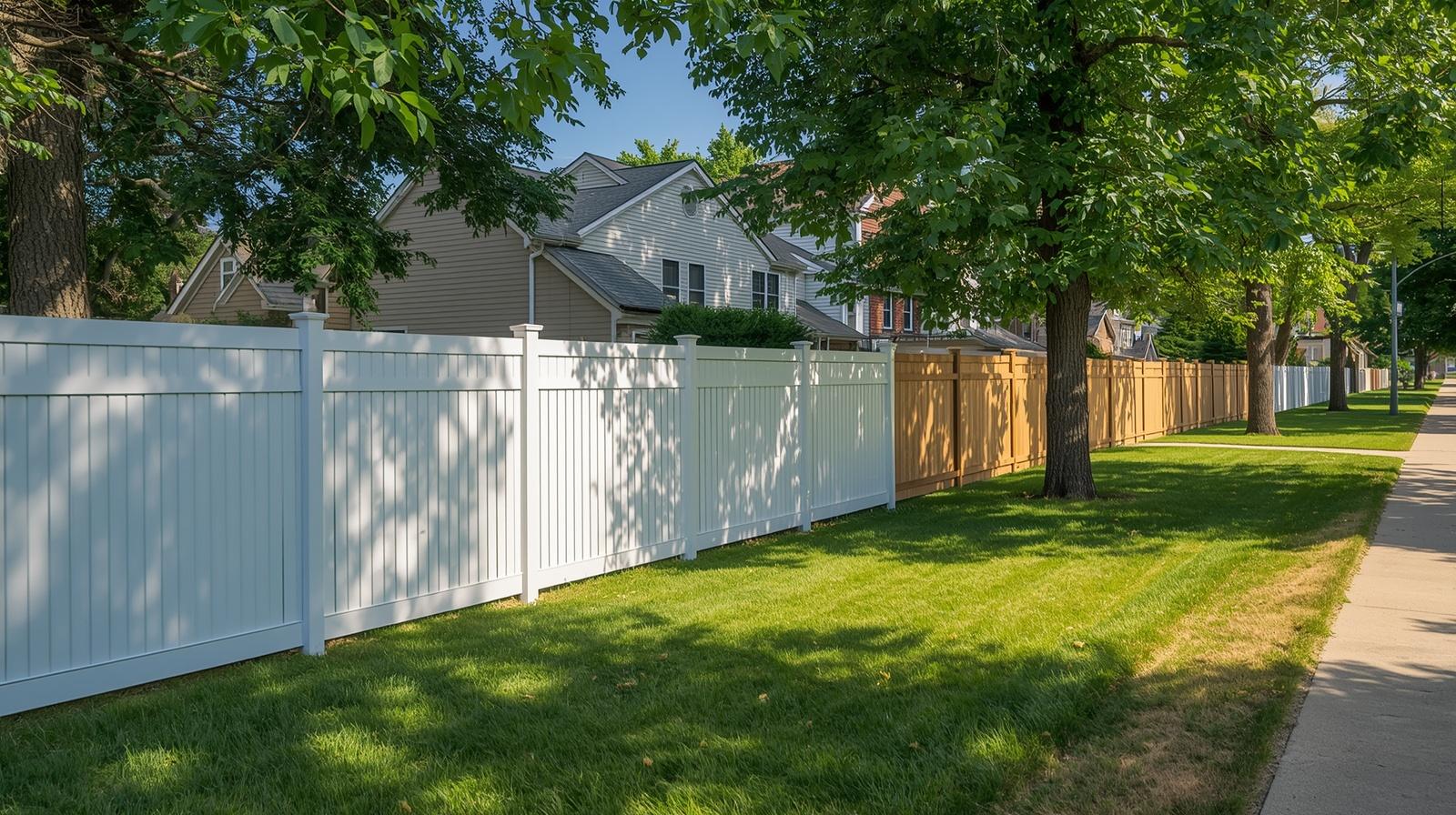
The right fence for your yard depends on more than just looks — it comes down to how you use your space, what materials hold up in Illinois's climate, and what your property actually needs. This guide walks Machesney Park homeowners through the key decisions so you can choose a fence that works hard, looks great, and lasts for years.
Every Yard Is Different. Your Fence Should Be Too.
There's no universal answer to the question "what fence should I get?" A family with three kids and a golden retriever has completely different needs than a homeowner focused on curb appeal, or a property owner who wants to define a boundary line without blocking the view.
What all of these homeowners have in common is that they're making a long-term investment. A fence that fits your property, your lifestyle, and the demands of a northern Illinois climate will serve you well for decades. One that doesn't — chosen purely on price or appearance — will cost you more in repairs, maintenance, and frustration than it was ever worth.
Here's how to think through the decision the right way.
Start With Why You Want a Fence
Before you choose a material or style, get clear on what you actually need the fence to do. Most homeowners in Machesney Park fall into one or more of these categories:
Privacy. You want to enjoy your backyard without feeling like you're on display. A full-panel privacy fence creates a true outdoor retreat, blocks sightlines from neighbors or the street, and muffles some of the ambient noise from nearby roads or activity.
Pet containment. A fence that keeps your dog safely inside the yard is one of the most practical investments a pet owner can make. The key details here are height, gap spacing at the bottom, and whether your dog is a digger or a jumper — both require specific solutions.
Child safety. A securely fenced backyard gives kids room to play freely without requiring constant supervision near the street or neighboring properties.
Curb appeal. The front of your home is the first thing people see. A well-chosen fence frames your landscaping, adds definition to your property, and significantly boosts visual appeal — and often resale value.
Boundary definition. Sometimes you just want to clearly mark where your property ends and your neighbor's begins, especially on corner lots or properties with irregular lines.
Security. A fence creates a meaningful deterrent and a clear perimeter, particularly useful for properties along busier roads or those with valuable outdoor equipment or vehicles.
Once you know your primary purpose, choosing materials and styles becomes much simpler.
Understanding Machesney Park's Climate — and What It Does to Fences
Machesney Park sits in Winnebago County, and like the rest of northern Illinois, it gets the full Midwest treatment: hot summers, cold winters, heavy snow, spring storms, and the relentless freeze-thaw cycles that define life in this part of the country.
These conditions aren't just background noise — they're a major factor in how long your fence will last and how much maintenance it will need.
Freeze-thaw cycles are the biggest structural concern. When the ground freezes and thaws repeatedly through winter, it shifts. Posts that aren't set deep enough will heave out of position over time, causing leaning and panel instability. Proper post depth — below Illinois's frost line — is non-negotiable for any fence installation here.
Heavy snow and ice add weight to fence panels. Full-panel privacy fences carry more load than open-style designs, which matters for post strength and spacing.
Spring storms bring strong winds. A well-anchored fence handles these without issue. One that's aged, has compromised posts, or was installed without proper footings is much more vulnerable.
Summer heat and UV exposure take their toll on wood especially, causing fading, cracking, and warping if the material isn't properly maintained or treated.
Keeping these conditions in mind as you choose your material will pay off in the long run.
Fence Materials: A Practical Comparison for Machesney Park Homeowners
Wood Fencing
Wood is the classic residential choice, and for good reason. It's versatile, attractive, and works well for privacy fences, picket styles, split-rail designs, and more. Cedar and pressure-treated pine are the best choices for longevity in Illinois because they resist moisture and insect damage better than untreated lumber.
The main commitment with wood is maintenance. To hold up through Illinois winters and summers, wood fencing should be sealed, stained, or painted on a regular schedule — typically every two to three years depending on exposure. Without that upkeep, wood will gray, crack, and eventually rot, especially at the base of posts where moisture concentrates.
With proper care, a quality wood fence lasts 15 to 20 years. It's a great option for homeowners who enjoy maintaining their property and want a warm, natural look.
Best for: Privacy fencing, picket-style front yard fences, traditional home aesthetics, homeowners comfortable with periodic maintenance.
Vinyl Fencing
Vinyl has become one of the most popular residential fencing materials, and it earns that popularity. It looks clean and polished, comes in a wide range of styles and colors, and requires almost no maintenance — no painting, no staining, and no worrying about rot or splinters.
Vinyl holds up well through freeze-thaw cycles and doesn't absorb moisture, which makes it a particularly smart choice for Illinois. The panels won't warp or buckle the way wood can after repeated wet winters. An occasional rinse with a garden hose is usually all the maintenance it needs.
The upfront cost is higher than wood, but many homeowners find that the savings in time and ongoing maintenance costs more than offset the difference over the life of the fence.
Best for: Privacy fencing, families with kids or pets, homeowners who want low maintenance, modern or traditional home styles.
Chain Link Fencing
Chain link doesn't win any design awards, but it's one of the most practical and durable fencing options available. It handles Midwest weather with almost no maintenance, provides strong containment for pets, and costs significantly less per linear foot than wood or vinyl.
For larger properties in Machesney Park, side yards, garden areas, or any space where visibility matters more than privacy, chain link is a smart and reliable choice. It can also be fitted with privacy slats if you want to add some screening without switching to a full panel style.
Best for: Large yard perimeters, pet enclosures, budget-conscious projects, areas where security or visibility matters more than aesthetics.
Aluminum and Ornamental Fencing
Aluminum fencing delivers the sophisticated, classic look of traditional wrought iron without the rust and maintenance concerns that come with actual iron. It's available in a variety of ornamental styles — from simple flat-top designs to more decorative speared or scrolled options — and it holds its appearance for decades without painting or sealing.
Because aluminum doesn't corrode, it performs well through Illinois winters and wet springs. It's most commonly used for front yard borders, pool enclosures, and decorative perimeters where you want a polished, open-style fence that adds visual definition without blocking the view.
Best for: Front yard aesthetics, pool areas, decorative borders, homeowners who want a long-lasting fence with minimal upkeep.
Privacy Fencing: Getting the Details Right
If privacy is your main goal, a few details make a big difference in how well your fence actually performs.
Height matters. Standard privacy fences are 6 feet tall, which is sufficient for most yards. If you're on a sloped lot, near a raised deck, or want extra screening from a two-story neighbor, a taller option may be worth discussing.
Gaps between boards. Even a small consistent gap between wood boards significantly reduces the privacy a fence provides. Tongue-and-groove or overlapping board styles eliminate this issue entirely.
Fence placement. A privacy fence placed right at the property line gives you maximum yard space. Make sure your contractor confirms your property boundaries before installation — this avoids disputes and ensures you're not inadvertently building on a neighbor's land.
Pet-Friendly Fencing: What to Think About
For dog owners, a fence is one of the best investments you can make in your pet's safety and your own peace of mind. But not every fence is equally effective for every dog.
Consider these factors:
Height: Most medium to large dogs need at least a 5- to 6-foot fence. Determined jumpers may need a taller option or an angled top section.
Bottom gaps: Even a small gap at ground level is an invitation for small dogs to squeeze through. Make sure panels sit close to the ground, and on sloped terrain, confirm how the installer handles the grade change.
Digging prevention: If your dog is a digger, discuss options like buried fence extensions or gravel along the fence line.
Gate latches: A self-latching gate that can't be nudged open by a persistent nose is essential. Consider a locking latch if your dog is particularly clever or if children who may not close gates properly will be using the yard.
Gates: Small Detail, Big Impact
A fence without a well-designed gate is like a house without a good front door. Gates get used every single day, and a poorly installed one becomes a constant frustration.
Think through:
How many access points do you need and where?
Do you need a single walk-through gate, a double drive gate for vehicle access, or both?
Should the gate be keyed or padlocked for added security?
Is a self-latching latch important for pet or child safety?
The gate should be hung on its own dedicated posts — not attached directly to fence panels — so that the weight and daily use of the gate don't transfer stress to the rest of the fence line.
Front Yard vs. Backyard: Different Goals, Different Fences
It's common for homeowners to use different styles in the front and back yard, and that makes a lot of sense.
Front yard fences are typically decorative and open. A picket fence, low aluminum ornamental border, or split-rail style frames your landscaping, adds curb appeal, and defines your property without feeling closed off. Most front yard fences are 3 to 4 feet tall.
Backyard fences are where function tends to take priority. Privacy, pet containment, and child safety push most homeowners toward taller, full-panel designs in wood or vinyl. The back is your outdoor living space — your fence should make you feel comfortable using it.
Long-Term Value: Think Beyond Installation Day
A fence is not just a purchase — it's a long-term part of your property. When you're comparing options, think about:
Total cost of ownership. A cheaper material with high maintenance costs or a shorter lifespan may cost more in the long run than a more durable option upfront.
Resale value. A clean, well-maintained fence improves the impression your property makes. A sagging or weathered one does the opposite.
Warranty. Ask what's covered and for how long — both on the materials and the labor.
Installer quality. Even the best materials underperform if installation is sloppy. Proper post depth, level panels, and secure hardware make an enormous difference in how a fence holds up over time.
Arrow Fence Knows Machesney Park Yards
At Arrow Fence, we work with homeowners throughout Machesney Park, Rockford, Loves Park, and the surrounding area to design and install fences that genuinely fit the property, the family, and the climate. We offer wood, vinyl, chain link, aluminum, ornamental fencing, privacy fencing, pet fencing, and custom gate solutions — and we'll help you think through the right choice for your specific yard rather than just pointing you toward the most expensive option.
We know what northern Illinois winters demand, and we build every fence with that in mind.
Ready to get started? Visit arrowfencerockford.com or call us today to schedule your free, no-obligation estimate. Let's build something that works for your yard — and keeps working for years to come.
