
Vinyl Fence Ideas in Freeport, IL for Low-Maintenance Homes
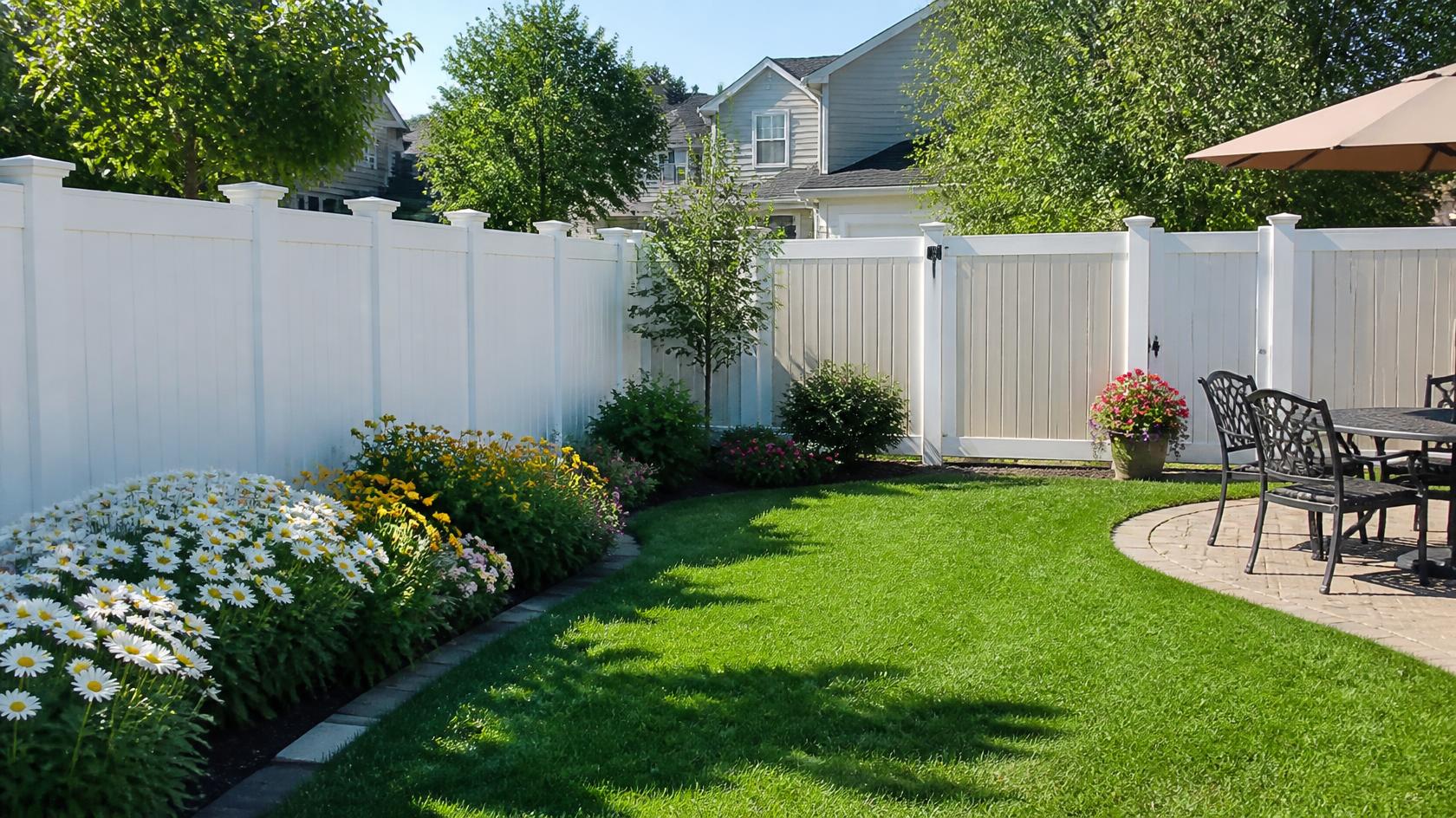
Vinyl fencing can be a strong choice for Freeport homeowners who want privacy, clean curb appeal, and less routine upkeep than wood. Full-privacy panels, semi-private styles, picket fencing, and decorative vinyl designs can all work well when planned around pets, gates, drainage, landscaping, and northern Illinois weather.
Why Vinyl Works Well for Low-Maintenance Homes
A fence should improve the yard without creating more upkeep than the homeowner wants to handle.
Vinyl is popular because it does not require routine:
Painting
Staining
Sealing
Sanding
It can work well for homeowners who want a finished-looking fence with relatively simple seasonal care.
Vinyl fencing can be used to:
Create backyard privacy
Enclose pets
Define property boundaries
Screen patios and decks
Organize side yards
Frame landscaping
Improve curb appeal
Hide utility areas
The best style depends on how private or open the yard should feel.
Full-Privacy Vinyl Fencing
Full-privacy vinyl panels create a solid visual barrier.
They can work well around:
Patios
Decks
Outdoor dining areas
Pet spaces
Shared property lines
Road-facing yards
Solid panels can help block direct views from neighboring homes, sidewalks, and outdoor gathering areas.
They also create a clean background for landscaping and outdoor furniture.
Because full-privacy fencing catches more wind than open designs, stable posts and proper installation are especially important.
Semi-Private Vinyl for Better Airflow
Semi-private vinyl provides separation while allowing more light and air through the fence.
This style may work well along:
Side yards
Garden areas
Larger backyards
Patio edges
Wind-exposed sections
It can be a good compromise for homeowners who want some privacy without making the entire property feel enclosed.
Households with small dogs should review the spacing carefully.
Vinyl Picket Fencing for Open Areas
Not every part of a property needs full privacy.
Vinyl picket fencing can define an area while keeping views open.
It may work well around:
Front yards
Gardens
Walkways
Decorative landscaping
Smaller pet spaces
One practical layout is to use full-privacy vinyl in the backyard and picket fencing closer to the front.
This can create a cleaner transition between private and open areas.
Decorative Vinyl Styles
Vinyl fencing can include more than plain panels.
Depending on the system, decorative features may include:
Lattice tops
Picket-top panels
Arched sections
Scalloped profiles
Decorative post caps
Contrasting trim
These details can help a privacy fence feel lighter and more connected to the home.
They can also add visual interest without giving up most of the screening below.
Create Privacy Around Outdoor Living Spaces
Homeowners do not always need solid fencing around the full perimeter.
Targeted vinyl panels can create privacy around:
Patios
Decks
Fire pits
Hot tubs
Outdoor kitchens
Seating areas
This approach can block the most direct sightlines while keeping other parts of the yard open.
It may also reduce the total amount of fencing needed.
Vinyl Fencing for Dogs
Solid vinyl can work well for dog owners because it creates consistent screening.
It can block views of:
Neighboring dogs
Wildlife
Pedestrians
Vehicles
Nearby activity
This may help reduce distractions for some pets.
A pet-friendly vinyl fence should also consider:
Fence height
Dog size
Jumping ability
Digging behavior
Gate security
Ground clearance
Small dogs and puppies need extra attention near gates and uneven terrain.
Keep Ground Gaps Small
Ground gaps can reduce pet security and make a fence look unfinished.
They often appear around:
Slopes
Gates
Drainage areas
Low spots
Changes in grade
Homeowners should review these areas during installation and continue checking them afterward.
Heavy rain and snowmelt can wash soil away and create new openings over time.
Plan Gates for Everyday Use
Gate placement affects how practical the fence feels day to day.
A standard walk gate may be enough for routine access, while wider gates may be needed for:
Riding mowers
Trailers
Landscaping equipment
Utility vehicles
Patio furniture
Construction materials
Measure the widest equipment that may need to enter the yard.
Vinyl gates may require reinforcement, especially when the opening is wide.
Strong posts and durable hardware help keep gates aligned.
Make Side Yards Easier to Manage
Vinyl fencing can help organize narrow or highly visible side yards.
It may be used to screen:
Garbage containers
Lawn equipment
Utility areas
Outdoor storage
Pet access routes
Gate swing direction and walking clearance should be considered carefully.
A fence should improve privacy without making the space difficult to use.
Use Vinyl Around Landscaping
Vinyl creates a simple backdrop for:
Flower beds
Shrubs
Ornamental grasses
Small trees
Outdoor lighting
Leave enough room for mowing, trimming, cleaning, and inspections.
Dense plants should not completely cover the bottom of the fence because they can hide erosion, post movement, or impact damage.
Keeping landscaping slightly away from panels also makes seasonal cleaning easier.
Screen Utility Areas Neatly
Short vinyl panels can hide functional areas without requiring a large enclosure.
They may be used near:
Air-conditioning equipment
Garbage and recycling bins
Pool equipment
Outdoor storage
Utility spaces
Enough clearance should remain for airflow, maintenance, and service access.
Often, a small screening section is enough to make the yard look more organized.
Plan for Sloped Yards
Vinyl fencing can work on yards with elevation changes, but the layout should be planned carefully.
Depending on the system, sections may be:
Stepped
Installed to follow the grade more closely
The best approach depends on appearance, drainage, and pet needs.
Ground gaps should be reviewed closely along transitions and low spots.
Do Not Ignore Drainage
Vinyl does not rot like wood, but drainage still affects the fence system.
Heavy rain and snowmelt can:
Erode soil around posts
Create gaps beneath panels
Affect gate alignment
Expose footings
Fence placement should work with the natural flow of water across the yard.
Low areas should be identified before installation and checked after severe weather.
Match the Fence to the Home
Vinyl is commonly associated with white, but other neutral finishes may also be available.
When selecting a color or style, compare it with:
Siding
Brick or stone
Exterior trim
Roofing
Decks
Garages
Landscaping
A coordinated design can make the fence feel like a natural part of the property rather than a separate addition.
Compare Vinyl With Other Materials
Vinyl
Best for homeowners who want privacy and relatively simple routine care.
Wood
Best for natural character and customization but generally requires more ongoing maintenance.
Chain Link
Useful for pet containment and longer boundaries where privacy is less important.
Aluminum
A good option where open views and decorative appearance matter more than full screening.
Mixed Materials
Useful when privacy is needed near the house but more open fencing is preferred elsewhere.
Simple Vinyl Fence Maintenance
Vinyl is relatively easy to maintain, but it still benefits from regular inspection.
Homeowners should periodically:
Wash panels
Check posts
Test gates
Inspect hardware
Watch for soil movement
Look for impact damage
Water, mild soap, and a soft brush can handle many common cleaning needs.
Avoid harsh abrasive cleaners that could scratch or dull the surface.
Prepare Vinyl Fencing for Freeport Weather
Vinyl fencing in Freeport needs to handle northern Illinois wind, rain, snow, ice, storms, and repeated freeze-thaw cycles.
Homeowners should periodically:
Inspect posts after storms
Check panels and rails
Test gates and latches
Watch for erosion
Remove debris near fence bases
Trim nearby branches
Clear heavy snow carefully
Vinyl can become less flexible during severe cold, so frozen panels should be protected from hard impacts from tools, vehicles, or snow-removal equipment.
Repair Minor Problems Early
Low maintenance does not mean damage should be ignored.
Watch for:
Cracked panels
Broken rails
Loose hardware
Leaning posts
Misaligned gates
Minor problems can often be handled by adjusting or replacing individual components.
Replacement may make more sense when multiple sections are damaged or the existing fence no longer works for the property.
Request a Free Vinyl Fence Estimate
Arrow Fence helps Freeport homeowners plan vinyl fencing for privacy, pets, curb appeal, and lower-maintenance outdoor spaces.
Whether you are considering full-privacy panels, semi-private fencing, vinyl pickets, decorative styles, fence repair, replacement, or new gates, Arrow Fence can help you compare practical options for your property.
Contact Arrow Fence at arrowfencerockford.com to request a free estimate for your vinyl fence project.
