
The Ultimate Guide to Vinyl Fence Installation Benefits for Illinois Homes
Are you considering upgrading your Illinois home's outdoor space? Vinyl fence installation offers numerous benefits tailored to the unique challenges of living in the Prairie State. From enduring harsh winters to providing low-maintenance privacy, vinyl fences are an increasingly popular choice for homeowners in Chicago, Springfield, and beyond. In this comprehensive guide, we'll explore why vinyl fence installation is a smart investment for Illinois homes, highlighting durability, aesthetics, and more. Whether you're in a bustling suburb or a quiet rural area, discover how this fencing option can enhance your property's value and appeal.
Why Choose Vinyl Fencing for Your Illinois Property?
Vinyl fencing, also known as PVC fencing, has surged in popularity due to its versatility and resilience. Unlike traditional wood or metal options, vinyl is engineered to withstand the elements without compromising on style. For Illinois residents, this means a fence that handles everything from freezing blizzards to humid summers. According to industry experts, vinyl fences can last 20-30 years with minimal upkeep, making them ideal for busy homeowners who want long-term reliability.
One key advantage is the material's composition. Made from polyvinyl chloride, vinyl doesn't absorb moisture, preventing issues like rot or warping that plague wood fences in Illinois' variable climate. This inherent strength translates to fewer repairs and replacements over time, saving you both time and money.
Durability Against Illinois' Extreme Weather
Illinois weather is notoriously unpredictable, with frigid winters dropping below zero and hot, humid summers pushing temperatures into the 90s. Vinyl fences excel in these conditions, resisting cracking, fading, and brittleness. Unlike wood, which can warp from freeze-thaw cycles or succumb to insect damage, vinyl remains stable. In areas like northern Illinois, where heavy snowfall is common, vinyl's flexibility allows it to bend under wind pressure without breaking—some models are even wind-certified up to 130 MPH.
Consider the UV resistance: Illinois' sunny days won't cause discoloration, as high-quality vinyl includes inhibitors to prevent yellowing or fading. This durability is especially beneficial in coastal-like areas near Lake Michigan, where salt air could corrode metal fences. Homeowners in Rockford or Geneva report that vinyl fences maintain their integrity through decades of harsh weather, outlasting alternatives by years.

Low Maintenance: A Boon for Busy Illinois Families
One of the standout benefits of vinyl fence installation is its low-maintenance nature. Forget annual staining, painting, or sealing—simply hose it down with soap and water to keep it looking pristine. This is a game-changer for Illinois homeowners dealing with pollen in spring or road salt residue in winter. No more weekends spent on fence upkeep; instead, enjoy your backyard oasis.
Compared to cedar or other woods, which require treatments to combat decay in humid conditions, vinyl resists mold, mildew, and pests naturally. This ease of care not only saves effort but also reduces long-term costs, as you won't need to hire professionals for routine maintenance.
Aesthetic Versatility to Match Any Illinois Home Style
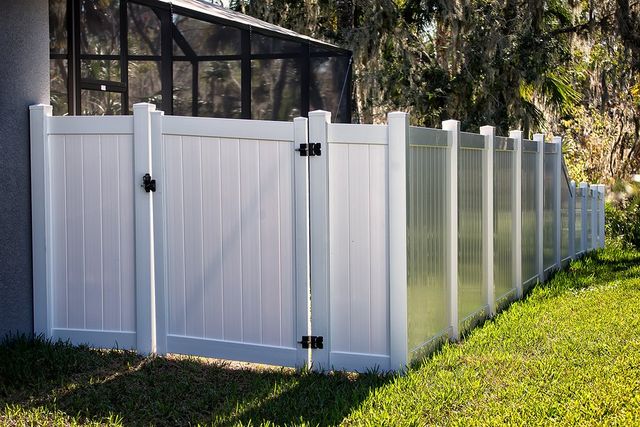
Vinyl fences aren't just functional; they're stylish. Available in a range of colors, textures, and designs—from classic white picket to modern privacy panels—they complement everything from Victorian homes in Galena to contemporary builds in Naperville. You can mimic wood grain for a rustic look or opt for sleek solids for urban appeal.
This versatility enhances curb appeal, potentially increasing your home's resale value. In Illinois' diverse neighborhoods, a well-chosen vinyl fence blends seamlessly, offering a clean, modern aesthetic that elevates property appearance without overwhelming the landscape.

Enhanced Privacy and Security for Peace of Mind
Privacy is paramount in densely populated areas like Chicago suburbs. Vinyl fences provide solid barriers that block views and reduce noise from busy streets, creating a serene backyard retreat. Heights up to 6 feet are common, offering security against intruders and containing pets or children safely.
For families in Illinois, this means worry-free playtime or outdoor gatherings. Solid panels deter wildlife common in rural areas, while the material's strength ensures it stands up to attempted breaches better than chain-link alternatives.
Cost-Effectiveness: Long-Term Savings
While initial costs for vinyl fence installation in Illinois range from $25 to $50 per linear foot, the long-term savings are substantial. Materials and labor for a typical 150-foot fence might total $4,000 to $7,500, but with a lifespan double that of wood, you'll avoid frequent replacements.
Factor in minimal maintenance expenses, and vinyl proves more economical over time. In Chicago suburbs, quotes around $2,400 for 50 feet are common, making it accessible for many budgets. Plus, some installations qualify for energy-efficient home improvement rebates.
Environmental Benefits: Eco-Friendly Choice
Vinyl is recyclable and doesn't require chemical treatments, reducing environmental impact compared to treated wood. For eco-conscious Illinoisans, this means a sustainable option that aligns with green living. Manufacturing advancements have made modern vinyl more energy-efficient, and its longevity minimizes waste from frequent replacements.
In a state pushing for sustainability, choosing vinyl supports reduced deforestation and lower carbon footprints associated with fence production and upkeep.
The Installation Process: Quick and Hassle-Free
Professional vinyl fence installation is straightforward, often completed in a day or two. Lightweight panels make handling easy, and pre-fabricated sections speed up the process. DIY enthusiasts can tackle it, but pros ensure level alignment and compliance with local codes.
In Illinois, permits may be required, so check with your municipality—costs are minimal, and installation pros often handle paperwork.
Navigating Illinois Fencing Regulations
Illinois doesn't have statewide fence laws for residential properties beyond boundary disputes, but local ordinances vary. In Chicago, front yard fences are limited to 4.5-6 feet with openness requirements; rear yards allow up to 6 feet. Cities like Moline cap front fences at 3.5 feet and require setbacks.
Always install with the finished side facing out, and avoid chain-link in some subdivisions. Consulting a local installer ensures compliance, preventing fines or removal orders.
Conclusion: Invest in Vinyl for Your Illinois Home Today
Vinyl fence installation brings unparalleled benefits to Illinois homes, from weather-resistant durability to effortless style and security. With low maintenance, cost savings, and eco-friendliness, it's a forward-thinking choice that enhances daily life and property value. If you're ready to transform your yard, contact a reputable Illinois installer to get started. Your perfect fence awaits—durable, beautiful, and built for the Land of Lincoln.
