
Vinyl Fence Installation in Byron, IL: A Homeowner’s Guide
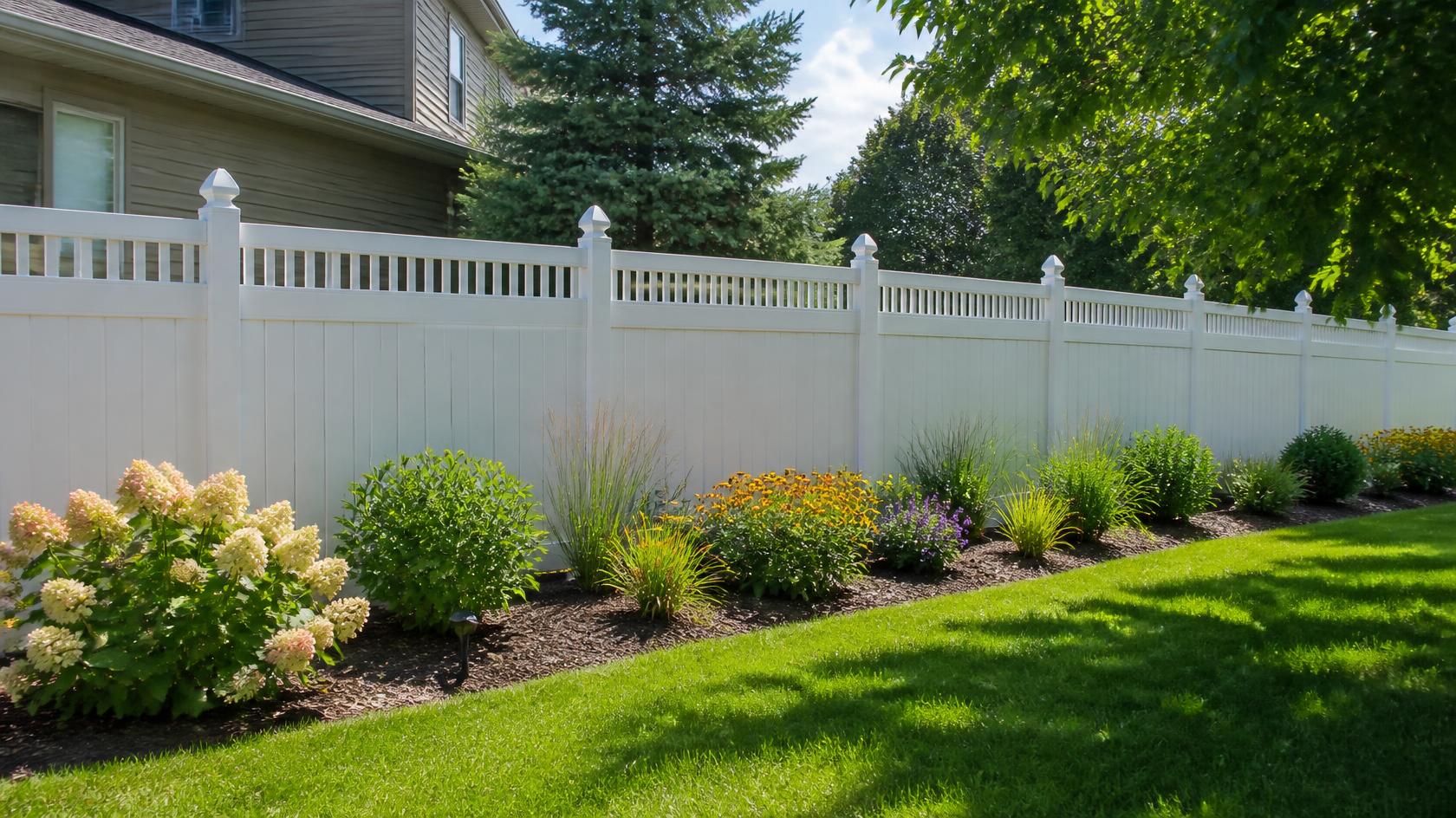
Vinyl fencing can be a strong choice for Byron homeowners who want privacy, curb appeal, and relatively simple maintenance. Before installation, it is important to plan the fence style, layout, gates, property boundaries, drainage, pet needs, and how the system will handle northern Illinois weather.
Start With the Purpose of the Fence
Before choosing panel styles or colors, decide what the fence needs to accomplish.
Byron homeowners may install vinyl fencing to:
Create backyard privacy
Keep dogs safely contained
Define property boundaries
Screen patios or decks
Separate neighboring yards
Protect play areas
Improve curb appeal
Hide utility or storage spaces
The purpose of the fence will affect the height, panel style, gate locations, and overall layout.
A fence designed primarily for privacy may look very different from one used around a front yard, garden, or decorative landscape area.
Choose the Right Vinyl Fence Style
Vinyl fencing comes in several styles, so homeowners do not have to use the same design throughout the property.
Full-Privacy Vinyl
Solid panels provide the strongest visual screening.
They work well around:
Patios
Decks
Neighboring property lines
Pet areas
Outdoor gathering spaces
Road-facing yards
Full-privacy fencing can also help dogs that become distracted by pedestrians, wildlife, traffic, or nearby pets.
Because solid panels block more wind, proper post installation and stable footings are particularly important.
Semi-Private Vinyl
Semi-private panels include small openings that allow more air and light through.
This style can work well along:
Side yards
Garden areas
Larger backyards
Patio edges
Wind-exposed sections
Semi-private fencing provides separation without making the yard feel completely enclosed.
For households with small pets, the spacing should be reviewed carefully.
Vinyl Picket Fencing
Picket fencing is useful when homeowners want to define an area without blocking the view.
It can work around:
Front yards
Walkways
Gardens
Decorative landscaping
Smaller pet areas
A property can also combine full-privacy panels in the backyard with picket fencing closer to the front.
Confirm Property Lines Before Installation
Fence placement should be confirmed before posts are set.
An existing hedge, old fence, mowing line, or landscape edge may not represent the actual property boundary.
Before installation, homeowners should review available property information and consider:
Surveys or lot markers
Easements
Underground utilities
Driveway visibility
Applicable local requirements
Neighborhood or association rules
Planning these details early can help prevent costly adjustments later.
Plan the Fence Layout Around the Yard
A good fence layout should work with the way the property is already used.
Consider:
Patio and deck locations
Driveways
Walkways
Gardens
Sheds
Air-conditioning equipment
Utility meters
Garbage storage
Mower routes
Existing landscaping
A fence should improve the yard rather than create awkward spaces or block routine access.
Homeowners should also think about future projects such as patios, sheds, landscaping upgrades, or larger outdoor equipment.
Decide Where Gates Should Go
Gate placement can affect everyday convenience more than homeowners expect.
A standard walk gate may be enough for regular access between the driveway and backyard.
Wider gates may be needed for:
Riding mowers
Trailers
Landscaping equipment
Utility vehicles
Construction materials
Future backyard improvements
Measure the widest equipment that may need to enter the yard.
Vinyl gates may require reinforcement to stay properly aligned, especially when the opening is wider.
Strong posts, durable hinges, and reliable latches are important.
Think About Privacy From Different Angles
Privacy is not only about fence height.
Before installation, consider views from:
Neighboring patios
Nearby windows
Upper-story rooms
Sidewalks
Roads
Decks
A full-height fence may block ground-level views but still leave some higher sightlines open.
In certain yards, targeted privacy panels may provide enough screening without enclosing the entire property.
This can keep the backyard feeling more open.
Vinyl Fencing for Dogs
Solid vinyl can work well for dog owners because it provides consistent screening and few obvious footholds for climbing.
A pet-friendly layout should consider:
Dog size
Jumping ability
Digging behavior
Fence height
Gate strength
Ground clearance
Dogs that react to movement outside the yard may benefit from solid panels that block views of pedestrians, neighboring dogs, wildlife, or vehicles.
Small dogs need particular attention around gates and uneven ground.
Homeowners should also inspect the bottom of the fence after heavy rain or snowmelt because erosion can create new escape gaps.
Plan for Yard Slopes
Uneven ground can affect how vinyl fencing looks and functions.
Depending on the fence system and the slope, sections may be:
Stepped in level sections
Installed to follow the grade more closely
The goal is to maintain a consistent appearance while avoiding unnecessary ground gaps.
Pet owners should pay close attention to low areas.
A small gap may not seem important visually but could create an escape point for a small dog.
Do Not Overlook Drainage
Water movement can affect any fence installation.
Heavy rain and snowmelt may:
Erode soil near posts
Create gaps beneath panels
Affect gate alignment
Expose footings
A fence should work with the natural drainage pattern of the yard instead of unnecessarily blocking water flow.
Low sections of the property should be reviewed before installation.
Drainage is especially important near gates because soil movement can affect how well they close.
Choose a Vinyl Color That Fits the Home
Vinyl fencing is commonly associated with white, but homeowners may also find options in tan, almond, gray, or wood-look finishes.
The fence should coordinate with:
Siding
Brick or stone
Roofing
Trim
Decks
Garages
Porches
Landscaping
White can create a crisp, clean appearance.
Warmer neutral tones may blend naturally with brick, stone, or earth-toned siding.
Gray may fit homes with cooler or more contemporary exterior colors.
Choosing a color that complements the property can help the fence feel like part of the overall design.
Keep Landscaping Fence-Friendly
Plants can help soften the appearance of vinyl panels, but they should not make maintenance difficult.
Leave enough space for:
Mowing
Trimming
Cleaning
Inspections
Gate movement
Future repairs
Avoid planting dense shrubs directly against panels.
Tree branches should also be trimmed before they begin rubbing against the fence or creating a storm-damage risk.
Keeping the fence line accessible makes routine care much easier.
Understand Vinyl Fence Maintenance
Vinyl generally requires less routine maintenance than wood.
It does not need regular:
Painting
Staining
Sealing
Typical upkeep may include:
Washing panels
Checking gates
Inspecting posts
Tightening hardware
Watching for soil movement
Checking for impact damage
Water, mild soap, and a soft brush can handle many common cleaning needs.
Harsh abrasive cleaners should be avoided because they may scratch or dull the surface.
Prepare for Byron Weather
Vinyl fencing in Byron needs to handle northern Illinois wind, rain, snow, ice, storms, and repeated freeze-thaw cycles.
While vinyl does not rot, the posts, footings, gates, and surrounding soil still experience seasonal movement and weather exposure.
Homeowners should periodically:
Check posts after storms
Test gates and latches
Inspect panels and rails
Look for erosion
Remove debris from fence bases
Trim nearby branches
Clear heavy snow carefully
Vinyl may become less flexible during severe cold, so frozen panels should be protected from impacts from snow-removal equipment, vehicles, or heavy tools.
Repair Small Problems Early
Vinyl fencing can still be damaged by storms, falling branches, lawn equipment, vehicles, or ground movement.
Common problems may include:
Cracked panels
Broken rails
Loose hardware
Misaligned gates
Unstable posts
Minor issues may only require adjustment or replacement of individual components.
Replacement may be more practical when several sections are damaged or the fence layout no longer works for the property.
Should You Replace an Existing Fence Before Installing Vinyl?
Homeowners replacing an older fence should consider whether the existing layout still makes sense.
Do not automatically copy the old fence line without reviewing:
Gate locations
Privacy needs
Pet containment
Yard access
Drainage
Landscaping
A replacement project provides an opportunity to improve how the yard functions.
For example, a wider gate, additional privacy near a patio, or better pet containment may make the new fence more useful than the previous one.
What to Review Before Installation Day
Before work begins, homeowners should have a clear plan for:
Fence style
Fence height
Property boundaries
Gate locations
Gate widths
Privacy needs
Pet requirements
Slopes
Drainage
Landscaping conflicts
Color and appearance
Equipment access
Taking care of these decisions before installation can reduce unexpected changes after posts are set.
Request a Free Vinyl Fence Estimate
Arrow Fence helps Byron homeowners plan vinyl fencing for privacy, pets, curb appeal, and low-maintenance outdoor spaces.
Whether you are considering full-privacy panels, semi-private fencing, vinyl pickets, fence replacement, repair, or new gates, Arrow Fence can help you compare practical options for your property.
Contact Arrow Fence at arrowfencerockford.com to request a free estimate for your vinyl fence installation.
