
Vinyl Fence Installation in Footville, WI: What Homeowners Should Know
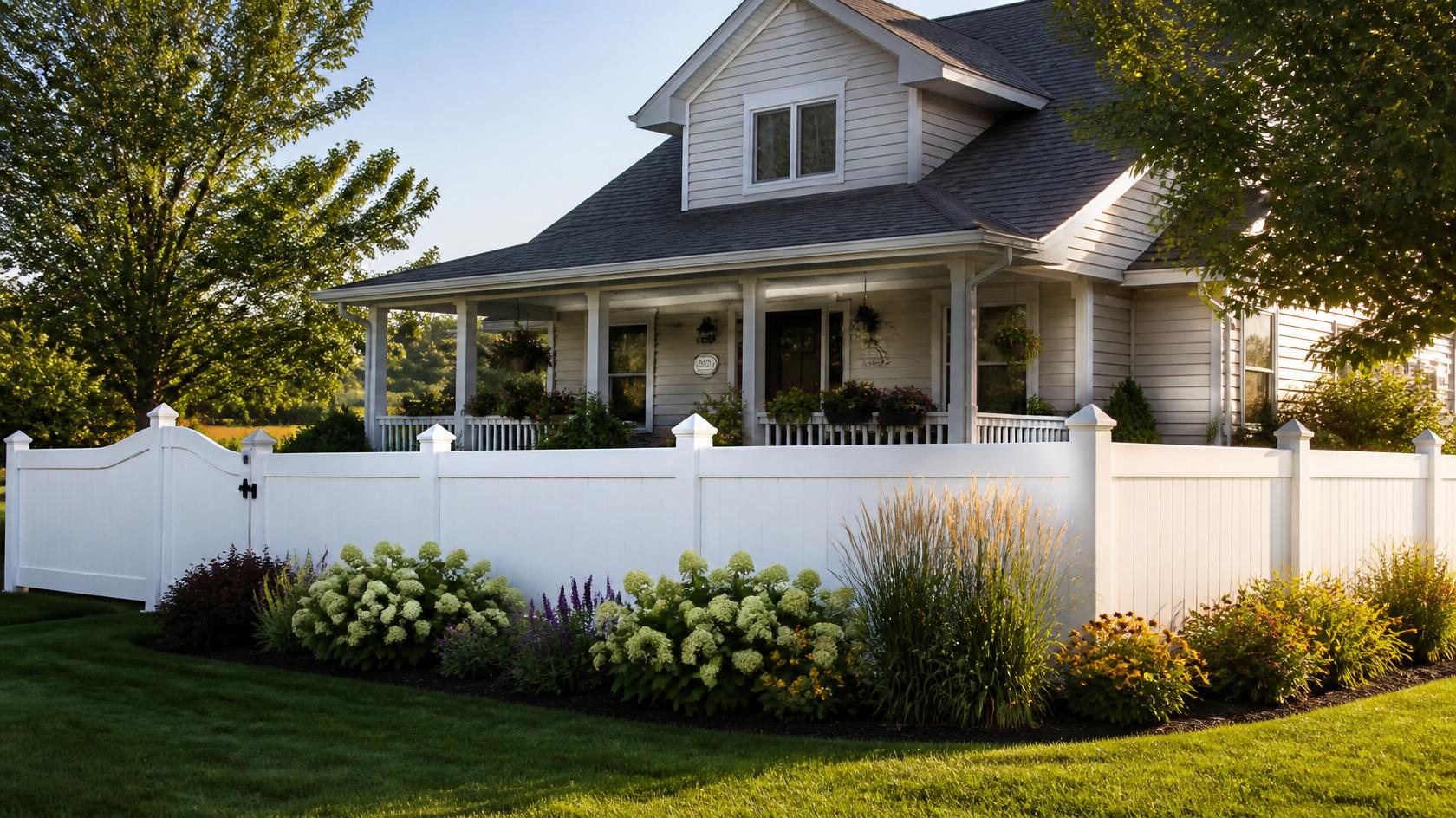
Vinyl fence installation in Footville, WI is a strong option for homeowners who want privacy, curb appeal, pet-friendly function, and lower maintenance than wood. Before installing, homeowners should think about fence style, height, gates, yard layout, property lines, cost factors, and Wisconsin weather.
Why Homeowners Choose Vinyl Fencing
Vinyl fencing is a popular choice for homeowners who want a clean, finished fence without the regular maintenance that wood often requires. For Footville homes, vinyl can work well around backyards, patios, pool areas, pet spaces, side yards, gardens, and outdoor living spaces.
One of the biggest advantages of vinyl is that it does not need staining, painting, or sealing. Most routine cleaning can be handled with mild soap and water. That makes vinyl appealing for busy homeowners who want a fence that looks neat without adding a long seasonal maintenance routine.
Vinyl can also support several goals. It can provide backyard privacy, help contain pets, improve curb appeal, and define property areas. The key is choosing the right style and planning the installation carefully.
Start With Your Fence Goals
Before installing a vinyl fence, think about what you want the fence to do.
Ask yourself:
Do you want full backyard privacy?
Do pets or children use the yard?
Is the fence near a road, sidewalk, or neighbor?
Do you want a solid or semi-private style?
Is curb appeal important?
How many gates will you need?
Are you replacing an older fence?
How much maintenance do you want to avoid?
These answers can help guide the right vinyl fence height, style, layout, and gate placement.
Choose the Right Vinyl Fence Style
Vinyl fencing comes in several styles. The right option depends on how much privacy, visibility, and curb appeal you want.
Solid Vinyl Privacy Fence
A solid vinyl privacy fence uses full panels to block views. This style is often used around backyards, patios, decks, pet areas, pool spaces, and neighbor-facing sections.
Solid vinyl is a good fit when privacy is the main goal. It can make the yard feel more enclosed and comfortable for relaxing, grilling, gardening, or family time.
Semi-Private Vinyl Fence
A semi-private vinyl fence provides some screening while allowing more light and airflow. This can be a good option for side yards, gardens, patios, or areas where full privacy is not needed.
Semi-private vinyl can help balance privacy and openness, especially in smaller yards or areas where a full solid fence may feel too closed in.
Decorative Vinyl Fence
Decorative vinyl fencing can include picket-style sections, accent tops, lattice details, or semi-open designs. These styles can improve curb appeal while still helping define the yard.
Decorative vinyl may work well near front-facing areas, walkways, gardens, or parts of the property visible from the street or driveway.
Plan the Fence Layout Carefully
A good vinyl fence installation starts with a clear layout. Homeowners should think about where privacy matters most, where gates should go, and how the fence will connect with the rest of the property.
Some homes need a full backyard enclosure. Others only need privacy along one property line, near a patio, or around a pet area. A partial layout can sometimes provide the right amount of screening while keeping the project practical.
When planning the layout, consider:
Property lines
Neighbor-facing sections
Side-yard access
Driveways and walkways
Landscaping
Drainage areas
Existing trees or obstacles
Lawn equipment access
Taking time to plan the layout can help avoid problems during installation and make the finished fence easier to use.
Think About Fence Height
Fence height is important for privacy, pets, and appearance. A taller vinyl privacy fence may be useful near roads, neighbors, or outdoor seating areas. A shorter or semi-private fence may work better in decorative areas or places where full screening is not needed.
For pet owners, height should be based on the animal’s size and behavior. Larger or more active dogs may need taller fencing, while smaller dogs may need tighter gaps and less bottom clearance.
The right height should match the purpose of the fence and the layout of the yard.
Vinyl Fencing for Pets
Vinyl fencing can be a good option for dogs and other pets. A solid vinyl fence can reduce visibility, which may help dogs that bark at people, cars, or animals outside the yard.
A pet-friendly vinyl fence should be planned around safety, not just appearance.
Pet-friendly planning should include:
Fence height
Gate latches
Bottom clearance
Yard slope
Gaps near gates
Digging behavior
Dog size and activity level
Small gaps near gates, corners, or uneven ground can become escape points. A local fence company can help plan a layout that works for both the property and the pet.
Gate Placement Matters
Gates are one of the most important parts of vinyl fence installation. A fence can provide privacy and curb appeal, but poor gate placement can make the yard harder to use.
Think about access for:
Pets
Children
Lawn equipment
Trash bins
Side yards
Driveways
Gardens
Patios
Pool areas
Service access
For pets and security, gates should close smoothly, latch securely, and have limited gaps. A wider gate may be useful for mowers, carts, trailers, or larger equipment.
Prepare for Installation
Before installing a vinyl fence, homeowners should make sure the work area is ready. This may include clearing small obstacles, identifying old fence sections, and thinking through access for installers.
If an old fence needs to be removed, that can affect the project plan. Yard slope, soil conditions, landscaping, and existing structures can also affect installation.
It is also smart to review property lines and any local requirements before work begins. This helps avoid placement issues and gives homeowners more confidence in the final layout.
Cost Factors to Consider
Vinyl fence installation cost can vary depending on the full project. Instead of focusing on one general price, it helps to understand what affects the estimate.
Cost factors may include:
Fence length
Fence height
Vinyl style
Number of gates
Yard slope
Soil conditions
Corners and turns
Old fence removal
Access to the work area
Installation details
Vinyl may cost more upfront than some basic fence materials, but many homeowners choose it because it offers privacy, curb appeal, and easier maintenance than wood.
Maintenance After Installation
Vinyl is low maintenance, but it is not maintenance-free. A little routine care can help the fence continue looking good and working properly.
Basic vinyl fence maintenance may include:
Cleaning with mild soap and water
Checking panels after storms
Inspecting posts
Testing gate latches
Watching for gaps near the ground
Reviewing hardware after winter weather
Unlike wood, vinyl does not need regular staining, painting, or sealing. That can make it a practical long-term option for homeowners who want simpler upkeep.
Wisconsin Weather Considerations
Vinyl fence installation in Footville, WI should account for Wisconsin weather. Wind, rain, snow, ice, storms, humidity, and freeze-thaw cycles can affect posts, panels, gates, and hardware.
Vinyl does not rot like wood, which can be helpful in wet or snowy conditions. However, solid vinyl privacy panels can catch wind, so proper post installation matters.
Freeze-thaw cycles can shift soil around posts, which may affect fence alignment and gate function over time. After strong storms or winter weather, homeowners should inspect the fence line for leaning posts, loose panels, gate issues, or gaps near the ground.
Repair or Replace an Existing Fence?
If you already have an older fence, vinyl may be worth considering as a replacement option. Repair may be enough if the damage is small, such as one loose board, one gate issue, or one damaged section.
Replacement may be better if several posts are leaning, wood rot is widespread, chain link is badly bent, gates no longer close securely, or the fence no longer provides privacy.
If your current fence needs frequent maintenance, vinyl can offer a cleaner and lower-maintenance upgrade.
Choosing the Right Vinyl Fence
The right vinyl fence depends on your property and goals. Choose solid vinyl if you want full privacy. Choose semi-private vinyl if you want airflow and partial screening. Choose decorative vinyl if curb appeal matters. Choose a mixed layout if you only need privacy in certain areas.
Before installation, consider privacy, pets, gates, maintenance, cost factors, yard layout, property lines, and Wisconsin weather exposure.
Work With a Local Fence Company
Vinyl fence installation in Footville, WI should be planned around the home, yard layout, privacy needs, pets, gates, maintenance preferences, and local weather. Arrow Fence helps homeowners and property owners compare vinyl fencing, wood fencing, chain link fencing, aluminum and ornamental fencing, privacy fencing, pet fencing, backyard fencing, fence repair, fence replacement, commercial fencing, and gates.
Contact Arrow Fence for a Free Estimate
If you are planning vinyl fence installation in Footville, WI, Arrow Fence can help you compare styles, review your layout, and choose a fence that fits your privacy needs, pets, maintenance preferences, and long-term goals.
Contact Arrow Fence today for a free estimate and helpful guidance on your next vinyl fence project.
