
Vinyl Fence Installation in Freeport, IL: Benefits for Homeowners
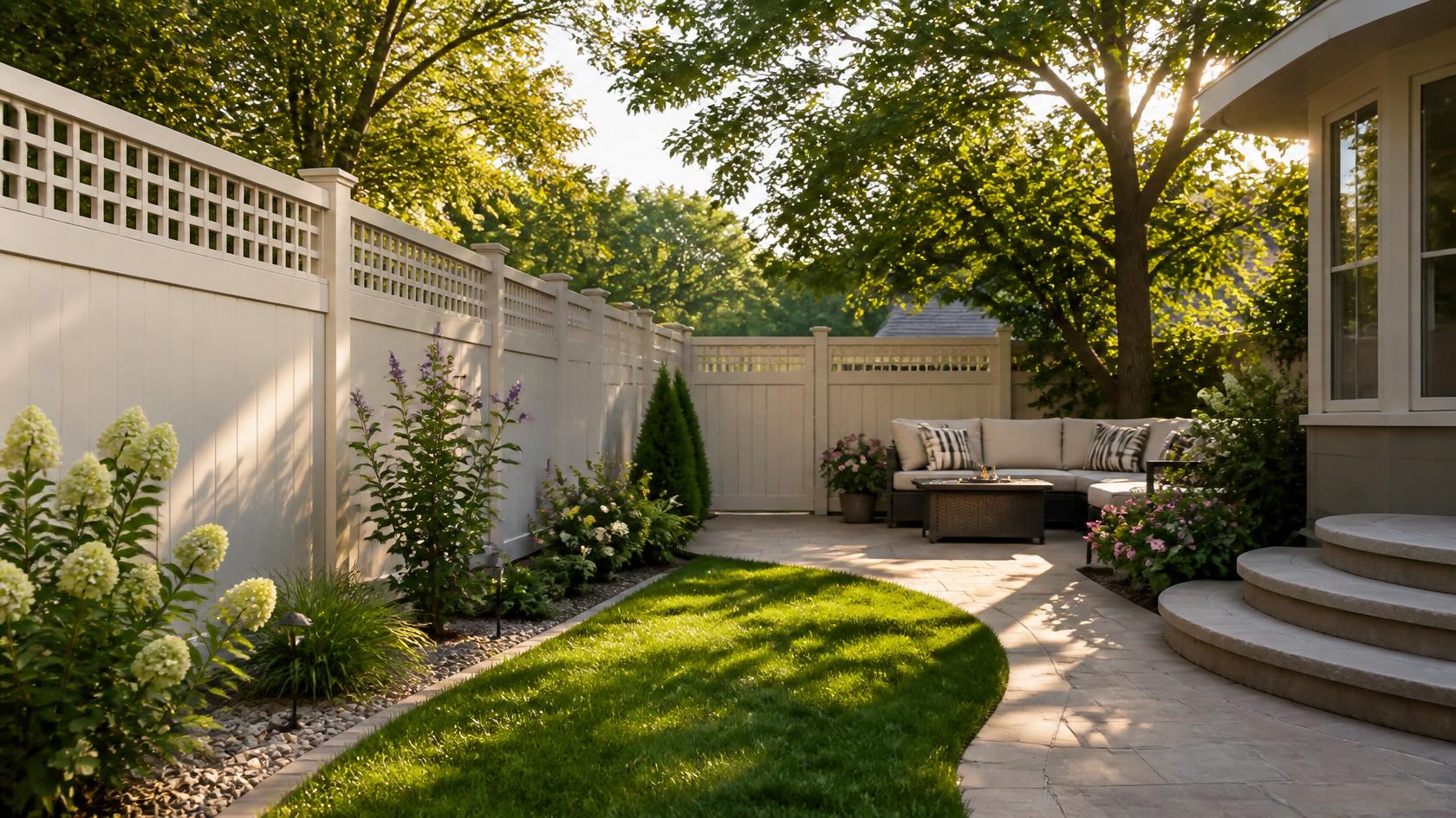
Vinyl fencing gives Freeport homeowners a clean, durable, and low-maintenance way to improve privacy, safety, and curb appeal. It works especially well for backyards, pet areas, patios, gardens, and properties where homeowners want reliable fencing without regular painting or staining.
Why Vinyl Fencing Is Popular in Freeport
A fence should make a property easier to enjoy, not create another demanding maintenance project. That is one reason many homeowners consider vinyl fence installation.
Vinyl fencing can create privacy, define property lines, protect outdoor spaces, and provide a secure area for children or pets. It also offers a consistent appearance that works well with many home styles.
For Freeport properties, fence materials must handle strong winds, rain, snow, ice, humidity, and repeated freeze-thaw cycles. Vinyl does not absorb moisture like wood, making it a practical option for northern Illinois conditions when it is installed correctly.
Low Routine Maintenance
One of the main benefits of vinyl fencing is its limited maintenance requirements.
Wood fencing often needs staining, painting, or sealing to protect it from moisture and sunlight. Vinyl does not require these treatments.
Typical vinyl fence maintenance includes:
Washing dirt from the panels
Checking gate hinges and latches
Inspecting posts after storms
Removing leaves from the fence base
Trimming branches that rub against panels
Checking for cracks or impact damage
Most surface dirt can be removed with water, mild soap, and a soft brush. This can make vinyl appealing to busy homeowners who do not want to spend weekends scraping paint or applying stain.
Strong Backyard Privacy
Solid vinyl panels can create dependable visual screening around patios, decks, pools, play areas, and neighboring property lines.
Privacy fencing can make a backyard feel more comfortable, especially when nearby homes have windows, decks, or outdoor areas facing the property.
Full-privacy vinyl fencing may also reduce visual distractions for dogs that react to pedestrians, traffic, or neighboring pets.
Common privacy styles include:
Solid-panel fencing
Tongue-and-groove panels
Lattice-top designs
Picket-top privacy panels
Scalloped or arched sections
Wood-look vinyl fencing
The right style depends on how much screening the homeowner needs and how the fence should complement the house.
A Clean and Consistent Appearance
Vinyl fencing creates a uniform look because its panels, rails, and posts are manufactured to match.
White remains a common choice, but homeowners may also find tan, gray, almond, and wood-look finishes. These options can coordinate with siding, roofing, brick, stone, decks, and landscaping.
A lighter fence can brighten a shaded backyard, while neutral tones may blend more naturally with the home.
Homeowners should view color samples outdoors before making a decision. Direct sunlight and shade can make the material look different than it does in a showroom or photograph.
A Practical Choice for Families
A vinyl fence can help create a defined backyard where children can play away from driveways, roads, and neighboring properties.
The smooth surface does not splinter, which is one advantage over aging or poorly maintained wood. However, homeowners should still inspect gates, latches, and hardware regularly.
Family-friendly features may include:
Self-closing gates
Secure latches
Minimal gaps
Smooth panel surfaces
Stable posts
Gates positioned away from traffic
Clear sightlines around play areas
If the property includes a pool, the fence and gate design must meet applicable safety requirements.
Pet-Friendly Vinyl Fence Options
Vinyl privacy fencing is often a good choice for pet owners because it creates a solid boundary without wide openings.
The fence should be planned around the pet’s size, energy level, and behavior.
For Small Dogs
Small dogs need minimal gaps near the ground, gates, posts, and the side of the house. Even a narrow opening can become an escape point.
For Large Dogs
Larger dogs may require taller panels, reinforced gates, strong posts, and durable hardware. Fence strength matters when a dog pushes or jumps against the surface.
For Dogs That Dig
Some pets may need buried barriers, reinforced lower sections, or landscaping that discourages digging along the fence line.
For Reactive Dogs
Solid vinyl panels can block views of passing people, animals, and vehicles. This may help create a calmer outdoor space for dogs that become excited by outside activity.
Several Style Options
Vinyl fencing is available in more than one basic privacy style.
Full-Privacy Fencing
Solid panels provide the strongest visual screening. They work well around backyards, patios, pools, and neighboring lot lines.
Semi-Privacy Fencing
Semi-private panels include small spaces between boards. They provide screening while allowing more airflow and light.
Picket Fencing
Vinyl picket fencing creates an open, traditional boundary. It can work well around front yards, gardens, walkways, or decorative landscaping.
Decorative-Topped Panels
Lattice, picket, arched, and scalloped tops add visual interest without giving up most of the privacy provided by the lower panels.
Homeowners can also combine styles, using full privacy in the backyard and shorter decorative fencing closer to the front of the home.
Easier Yard Maintenance
Vinyl fencing can simplify mowing, trimming, and general yard care when the layout is planned carefully.
Gate placement should support the way the homeowner uses the property. A standard walk gate may be enough for daily access, while a wider double gate may be needed for riding mowers, trailers, landscaping equipment, or future projects.
Before installation, consider:
Driveway and sidewalk access
Mowing routes
Utility meters
Air-conditioning units
Garbage and recycling bins
Drainage areas
Patio entrances
Future sheds or pools
Good planning helps prevent tight corners, blocked access, and gates that are too narrow for equipment.
Better Resistance to Moisture
Vinyl does not absorb moisture, rot, or develop the same mildew and decay concerns as untreated wood.
That can be especially helpful in Freeport, where fences are exposed to rain, snow, ice, and wet soil throughout the year.
Leaves, soil, and mulch should still be kept away from the base of the fence. Moisture around posts can affect the soil and footings even when the vinyl panels themselves are not damaged.
Proper drainage helps keep posts stable and reduces movement around the fence line.
How Vinyl Handles Midwest Weather
Vinyl can perform well in northern Illinois, but installation quality is essential.
Freeport experiences seasonal temperature swings, strong winds, winter storms, and repeated freezing and thawing. These conditions can shift soil, move posts, and affect gate alignment.
A durable installation should account for:
Correct post depth
Stable footings
Proper panel spacing
Soil drainage
Wind exposure
Gate reinforcement
Changes in ground elevation
Solid privacy panels catch more wind than chain link or ornamental fencing. Strong posts and secure rails are especially important in open or exposed areas.
Vinyl may also become less flexible during severe cold, so homeowners should avoid striking frozen panels with snowblowers, shovels, or equipment.
Comparing Vinyl With Other Fence Materials
Vinyl Fencing
Vinyl provides privacy, consistent appearance, and low routine maintenance. It does not require staining or painting.
Wood Fencing
Wood offers natural beauty and greater customization. It can often be repaired board by board but needs more ongoing care.
Chain Link Fencing
Chain link is affordable, durable, and useful for pets or larger properties. It does not provide full privacy unless screening or slats are added.
Aluminum Fencing
Aluminum offers an open, decorative appearance and requires little maintenance. It works well around gardens, pools, and front yards.
Ornamental Fencing
Ornamental fencing adds character and definition to visible areas. It is better for curb appeal and boundaries than complete privacy.
The right material depends on the homeowner’s priorities, budget, yard layout, and preferred maintenance level.
Potential Long-Term Value
Vinyl fencing may have a higher initial cost than some basic wood or chain link options. However, it can reduce the need for painting, staining, sealing, and replacing rotted boards.
A well-installed vinyl fence can also improve:
Backyard privacy
Pet safety
Outdoor living space
Property appearance
Access control
Daily convenience
The best long-term value comes from choosing a style that fits the property rather than selecting a fence based only on upfront cost.
Repair and Replacement Considerations
Vinyl is durable, but it can still be damaged by falling branches, vehicles, lawn equipment, storms, or severe impact.
Minor hardware problems may be simple to repair. Cracked panels, broken rails, or leaning posts may need replacement.
Homeowners should address damage early because one unstable section can place added pressure on neighboring panels.
Choosing a common color and panel style may make future repairs easier if replacement parts are needed.
Planning Before Installation
Before installing a vinyl fence, homeowners should confirm:
Property lines
Utility locations
Easements
Local fence regulations
Homeowners association requirements
Gate locations
Drainage patterns
Required pool safety standards
A professional site review can identify slope changes, soft soil, obstacles, and access concerns before installation begins.
Careful planning helps avoid disputes, unexpected changes, and inconvenient gate placement.
Request a Free Vinyl Fence Estimate
Arrow Fence helps homeowners in Freeport and surrounding communities plan vinyl fencing for privacy, pets, children, curb appeal, and easier property maintenance.
Whether you are considering full-privacy panels, semi-private fencing, vinyl pickets, decorative styles, new gates, repairs, or replacement, Arrow Fence can help you compare practical options for your home.
Contact Arrow Fence at arrowfencerockford.com to request a free estimate for your vinyl fence installation project.
