
Vinyl Fence Installation in Loves Park, IL: Is Late Fall Still a Good Time?
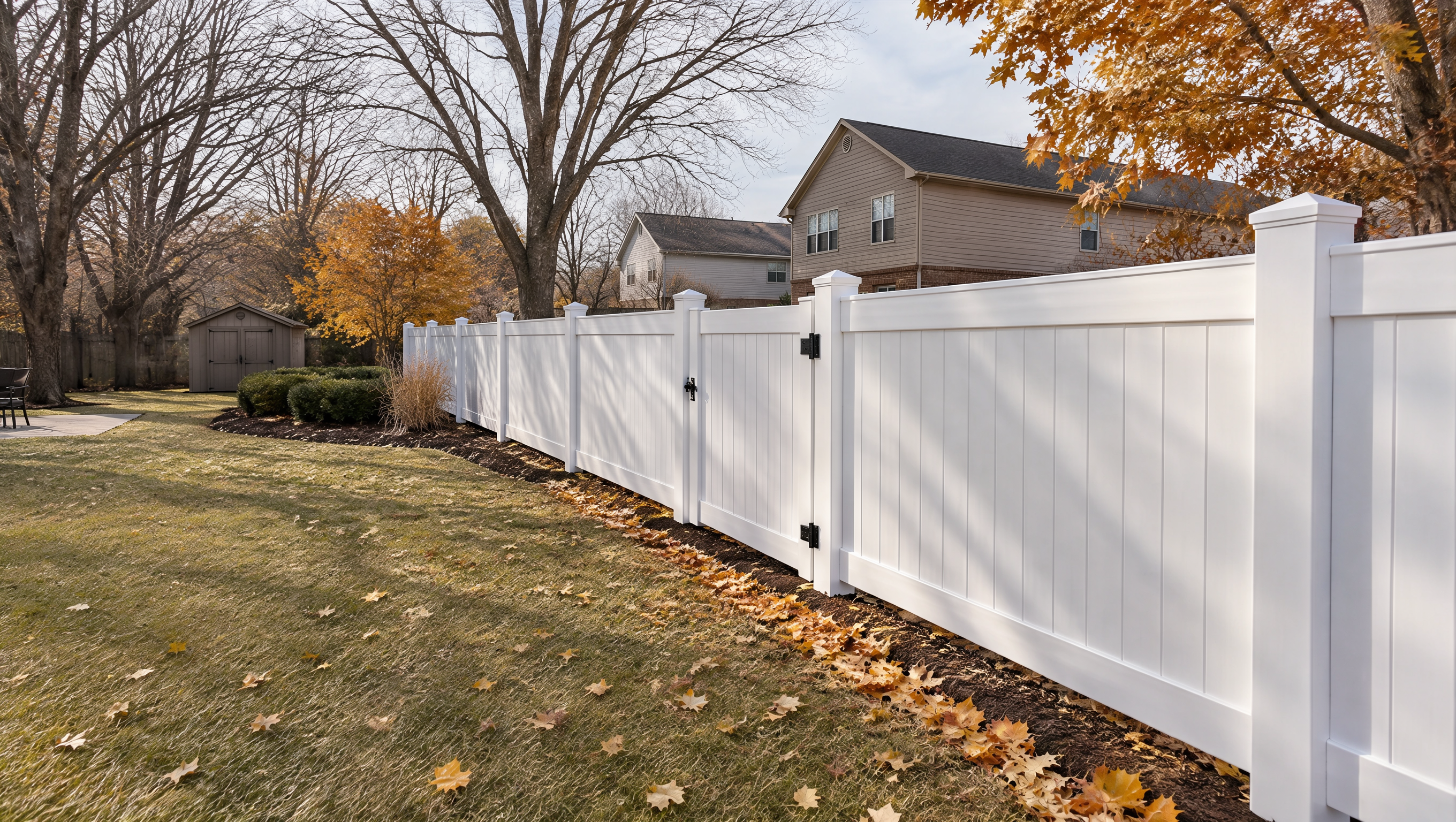
Late fall can still be a practical time for vinyl fence installation in Loves Park when the ground remains workable and weather conditions cooperate. Homeowners should focus on site preparation, drainage, gate access, slopes, wind exposure, and winter use before installation begins. The closer winter gets, the more important it is to have the layout and material decisions finalized.
Is Late Fall Too Late for a Vinyl Fence?
Not necessarily.
A calendar date alone does not determine whether a vinyl fence can be installed.
More important factors include:
Ground conditions
Recent rainfall
Soil moisture
Early snow
Freezing temperatures
Property access
If the ground remains workable and the site is prepared, late-fall installation may still be possible.
If conditions become consistently difficult, waiting for a better installation window may make more sense.
Ground Conditions Matter More Than Cool Air
Homeowners sometimes assume that colder temperatures automatically mean fence installation has to stop.
The actual condition of the soil is more important.
Fence installation becomes more complicated when the ground is:
Frozen
Heavily saturated
Covered by significant snow
Difficult to excavate reliably
A dry, cool late-fall day can present very different conditions from a period of heavy rain followed by freezing temperatures.
That is why the property should be evaluated rather than relying only on the date.
Decide on the Vinyl Style Early
Late fall is not the best time to keep changing the project.
Before installation, choose whether you want:
Full-privacy vinyl
Semi-private vinyl
Picket-style vinyl
A combination of styles
Each option affects the appearance, screening, airflow, and layout.
Finalizing the design early can help reduce unnecessary changes once installation begins.
Full-Privacy Vinyl Works Well for Screening
Solid vinyl panels can create consistent privacy around:
Backyards
Patios
Side yards
Pet areas
Neighbor-facing boundaries
For Loves Park homeowners who want visual separation without routine staining or sealing, vinyl can be an appealing option.
Solid panels do create more wind resistance than open fencing, so exposure should be considered during planning.
Semi-Private Vinyl Can Improve Airflow
Not every yard needs complete screening.
Semi-private vinyl can provide separation while allowing more:
Airflow
Light
Visual openness
This may work well for smaller yards or boundaries where full privacy is unnecessary.
It can also reduce the closed-in feeling that sometimes comes with solid panels on every side.
Finalize Fence Height Before Installation
Height should match the purpose of the fence.
Think about whether you primarily need:
Privacy
Pet containment
Property definition
Patio screening
More height is not automatically better.
A taller solid fence catches more wind and may make a smaller yard feel more enclosed.
Applicable local requirements should be reviewed before the final height and placement are approved.
Check the Fence Line Before Leaves and Snow Hide It
Late fall gives homeowners one last opportunity to inspect the ground clearly before winter coverage becomes more likely.
Walk the proposed fence line and look for:
Low spots
Erosion
Large roots
Existing footings
Uneven ground
Drainage paths
Clear leaves from problem areas so the actual site conditions can be evaluated.
This is especially important around future post and gate locations.
Drainage Is Important for Vinyl Too
Vinyl does not rot like wood, but the fence still depends on stable posts.
Poor drainage can contribute to:
Soil erosion
Post movement
Ground gaps
Gate misalignment
Check the yard after rain.
If water regularly collects along the proposed fence line, that issue should be considered before installation.
A low-maintenance fence still needs reliable ground support.
Slopes Need a Clear Plan
Uneven yards can affect how vinyl sections are installed.
Depending on the fence system, sections may need to be:
Stepped
Installed to follow the grade more closely
Slopes can also affect ground clearance and pet containment.
If a gate is planned near a slope, review the location carefully because changing grade can make smooth operation more difficult.
Gates Should Be Planned for Winter Use
Late-fall installation should include winter access planning from the beginning.
Ask:
Where will snow be shoveled?
Where will snow piles collect?
Which gate will be used most often?
Where does the snowblower travel?
A gate can be perfectly placed for summer and still become inconvenient after the first significant snowfall.
Keep frequently used openings away from regular snow-storage areas where possible.
Measure Equipment Before Choosing Gate Width
If mowers, trailers, or landscaping equipment need backyard access, measure them before installation.
A wider gate may be helpful, but larger openings also require more support.
Deciding the width early avoids changing post positions later.
For many properties, separate walk and equipment gates can provide more practical everyday access.
Think About Dogs Before Installation
Vinyl can work well for dogs, particularly when visual privacy is helpful.
Solid panels can reduce views of:
Neighboring dogs
Pedestrians
Wildlife
Passing vehicles
However, pet security also depends on:
Fence height
Bottom clearance
Gate latches
Slopes
Digging behavior
Inspect the entire lower edge once installation is complete before allowing pets to use the yard freely.
Cold Weather Requires More Care Around Vinyl
Vinyl can become less flexible during severe cold.
Once winter arrives, avoid hard impacts from:
Snow shovels
Snowblowers
Vehicles
Yard equipment
A panel that performs normally through cold weather can still be damaged by a direct impact.
Planning snow-removal routes away from the fence can help reduce unnecessary contact.
Wind Exposure Deserves Attention
Solid vinyl privacy fencing catches more wind than chain link or aluminum.
For exposed Loves Park yards, pay extra attention to:
Long straight runs
Corners
End posts
Gate posts
If full privacy is only needed around a patio or neighboring side, semi-private or open fencing elsewhere may provide a better balance.
Good structural planning is especially important when installation is followed immediately by winter weather.
Clear the Work Area Before Installation Day
Late fall can mean shorter daylight and more unpredictable conditions, so homeowners can help by preparing the site in advance.
Remove or relocate:
Patio furniture
Planters
Toys
Hoses
Yard equipment
Leaf piles
Seasonal decorations
Also trim vegetation that directly blocks the proposed fence line.
A clear work area makes site conditions easier to see and reduces avoidable obstacles.
Existing Fence Removal Adds Another Step
If the vinyl fence is replacing an older fence, determine how removal will be handled.
The old fence may include:
Boards or panels
Posts
Gates
Hardware
Concrete footings
Ask whether hauling and disposal are included.
Removing the old fence can also reveal drainage issues, roots, or damaged soil that need attention before the new fence goes in.
Make a Plan for Pets During the Project
The backyard may remain temporarily open during installation.
Have another secure arrangement ready.
That might include:
Indoor supervision
Leash breaks
Another enclosed area
Pets should stay away from tools, materials, post holes, and unfinished sections.
Do not rely on a partially installed fence for containment.
Weather Can Affect the Installation Schedule
Late-fall weather can change quickly in northern Illinois.
Possible delays may come from:
Heavy rain
Saturated ground
Early snow
Freezing conditions
Homeowners cannot control these conditions, but they can avoid preventable delays by having design decisions and yard preparation completed.
Flexibility becomes more important as winter approaches.
What If the Ground Freezes Before Installation?
If conditions become unsuitable, rushing the project is usually not the best approach.
Waiting may make more sense when:
The ground is consistently frozen
Major drainage work is still needed
The layout is undecided
The yard requires substantial preparation
A delayed installation is often better than forcing a project through difficult site conditions.
Vinyl Still Has Advantages for a Late-Season Project
Vinyl can be appealing because homeowners do not need to plan a separate staining or sealing schedule after installation.
Routine maintenance generally involves:
Cleaning
Checking posts
Inspecting rails
Testing gates
Monitoring hardware
That can simplify long-term upkeep compared with materials that need periodic refinishing.
Do a Final Project Review
Before installation begins, confirm:
Vinyl style
Fence height
Fence line
Gate locations
Gate widths
Pet needs
Drainage concerns
Existing fence removal
Cleanup expectations
Late fall leaves less room for unnecessary project changes.
A clear plan can make the installation process more efficient.
Late-Fall Vinyl Fence Checklist
Before moving forward in Loves Park, make sure you have:
Confirmed the layout
Selected the vinyl style
Chosen the height
Planned gate access
Checked drainage
Reviewed slopes
Cleared the fence line
Planned for pets
Considered snow removal
Reviewed wind exposure
The right preparation matters more than simply looking at the calendar.
Request a Free Vinyl Fence Estimate
Arrow Fence helps Loves Park homeowners plan vinyl fencing around privacy, pets, gates, drainage, slopes, and winter access.
Whether you are considering full-privacy vinyl, semi-private fencing, replacement, or a new installation, Arrow Fence can help you review practical options based on your property and seasonal conditions.
Contact Arrow Fence at arrowfencerockford.com to request a free estimate for your vinyl fence project.
