
Vinyl Fence Installation in Machesney Park, IL: Low-Maintenance Options for Midwest Weather
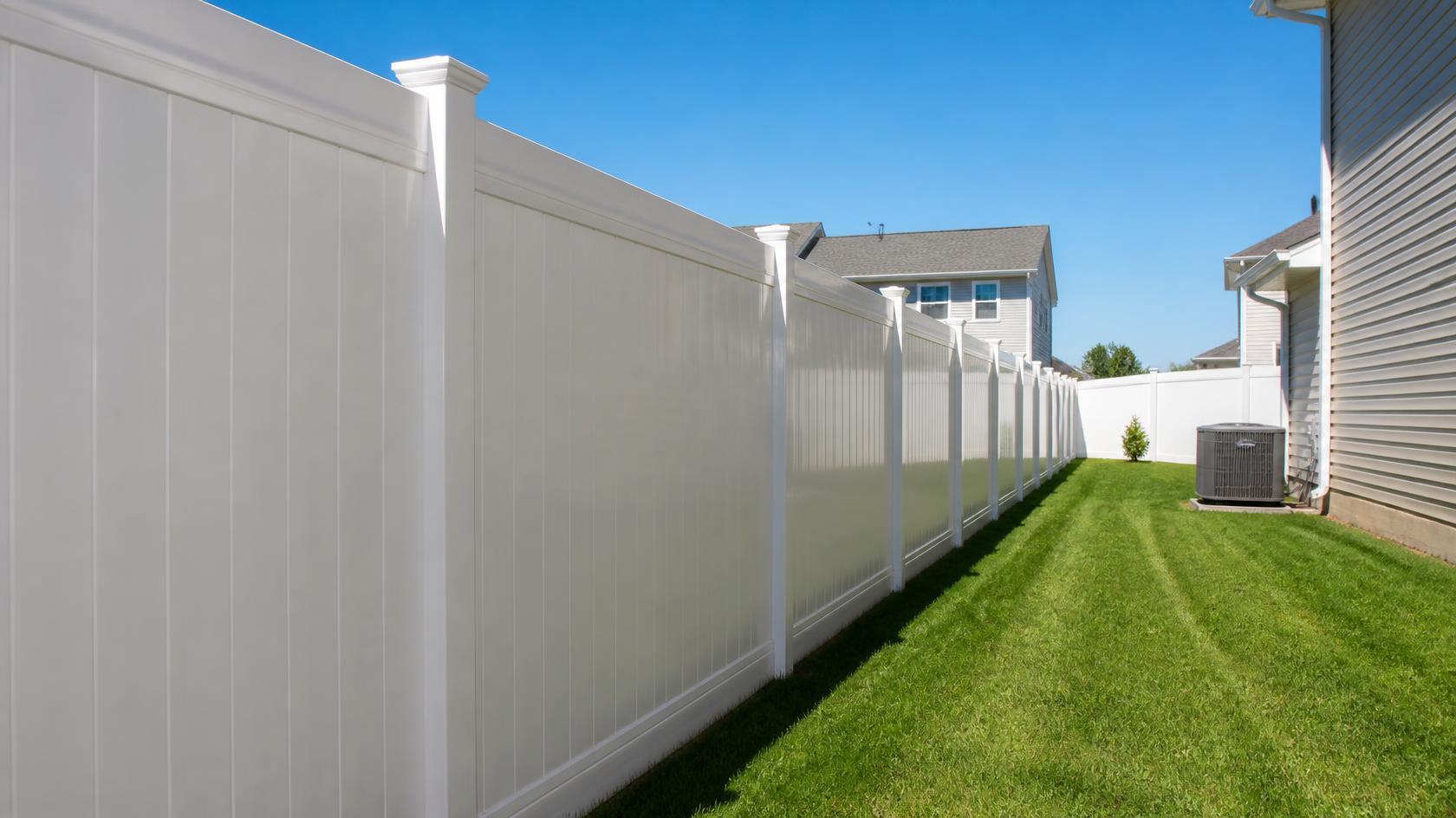
Vinyl fencing can be a practical choice for Machesney Park homeowners who want privacy, clean curb appeal, and less routine maintenance than wood. The best results come from choosing the right panel style, planning for wind and drainage, securing gates properly, and preparing the fence for northern Illinois snow, ice, rain, and freeze-thaw conditions.
Why Vinyl Works Well for Midwest Homes
Homeowners in Machesney Park need fencing that can handle changing weather without demanding constant upkeep.
Vinyl is appealing because it does not require routine:
Painting
Staining
Sealing
Sanding
It can also provide consistent privacy while keeping seasonal maintenance relatively simple.
Vinyl fencing can work well for:
Backyards
Side yards
Pet areas
Patios
Property boundaries
Outdoor living spaces
Decorative front-yard sections
The key is choosing a style that fits both the yard and local weather exposure.
Full-Privacy Vinyl Panels
Full-privacy vinyl is one of the most common choices for homeowners who want strong screening.
Solid panels can help block views from:
Neighboring homes
Sidewalks
Roads
Nearby patios
Outdoor gathering areas
They also provide a clean background for landscaping and outdoor furniture.
Because solid panels catch more wind than open fence styles, stable posts and proper installation are especially important in exposed areas.
Semi-Private Vinyl for Better Airflow
Semi-private vinyl includes small openings between sections.
This allows more light and airflow while still creating separation.
It can work well along:
Side yards
Larger backyards
Garden areas
Wind-exposed boundaries
Homeowners who want privacy without making the yard feel completely enclosed may prefer this style.
For small pets, opening sizes should be reviewed carefully.
Vinyl Picket Fencing
Vinyl picket fencing is useful where homeowners want a defined boundary without blocking views.
It may work well around:
Front yards
Gardens
Walkways
Landscaping
Smaller pet areas
Some properties benefit from combining picket fencing in open areas with full-privacy panels near the backyard or patio.
This creates a more balanced layout.
Decorative Vinyl Options
Vinyl fencing can include decorative details while still remaining relatively easy to maintain.
Depending on the system, homeowners may find options such as:
Lattice tops
Picket-top panels
Decorative post caps
Scalloped sections
Arched designs
Contrasting trim
These details can make privacy fencing feel less plain while keeping the overall appearance clean.
Low Maintenance Does Not Mean No Maintenance
Vinyl requires less surface care than wood, but it should still be inspected.
Routine care may include:
Washing panels
Checking posts
Inspecting rails
Testing gates
Tightening hardware
Watching for erosion
Looking for cracks or impact damage
Regular inspections help identify small problems before they affect larger sections.
Cleaning Vinyl Fencing
Most routine dirt can be handled with water, mild soap, and a soft brush.
Common buildup may include:
Dust
Mud
Grass clippings
Pollen
Organic debris
Avoid unnecessarily abrasive cleaning methods that could scratch or dull the surface.
Keeping shrubs and vines away from the panels can also make cleaning easier.
Plan for Midwest Wind
Wind is an important consideration with solid privacy fencing.
A full panel creates more resistance than chain link, picket, or other open styles.
For wind-exposed areas, installation should focus on:
Stable posts
Proper spacing
Secure panel connections
Strong gate posts
Semi-private designs may also make sense in areas where some screening is enough and additional airflow is desirable.
Prepare for Freeze-Thaw Cycles
Northern Illinois regularly experiences temperatures that move above and below freezing.
These freeze-thaw cycles can affect the soil around fence posts.
Homeowners should watch for:
Post movement
Gate misalignment
Soil heaving
New ground gaps
Erosion around footings
The fence material itself may require little surface maintenance, but the ground supporting it still changes with the seasons.
Protect Vinyl During Severe Cold
Vinyl can become less flexible in very cold conditions.
That means homeowners should avoid hard impacts when panels are frozen.
Be careful around the fence when using:
Snow shovels
Snow blowers
Vehicles
Yard equipment
Heavy tools
A panel that handles normal summer contact without a problem may be more vulnerable to impact during severe cold.
Think About Snow Accumulation
Fence placement can affect how snow collects around the yard.
Before installation, consider where snow from:
Driveways
Walkways
Patios
Parking areas
will normally be pushed or piled.
Avoid repeatedly placing heavy snow directly against panels or gates.
Gate areas should also remain accessible during winter.
Plan Gate Locations for Year-Round Use
Gate placement should work in every season.
A standard walk gate may be enough for daily access, while a wider opening may be needed for:
Riding mowers
Trailers
Landscaping equipment
Utility vehicles
Outdoor furniture
Wider vinyl gates may require additional reinforcement.
Before deciding on width, measure the largest equipment that may need access.
Check Gate Clearance Before Winter
A gate that barely clears the ground in fall may become difficult to use after snow, ice, or soil movement.
Check:
Bottom clearance
Hinge alignment
Latch operation
Post stability
Snow accumulation areas
Planning for winter access during installation can prevent unnecessary frustration later.
Vinyl Fencing for Dogs
Solid vinyl can work especially well for dogs that react to activity outside the yard.
It can block views of:
Neighboring dogs
Wildlife
Pedestrians
Vehicles
Nearby movement
This can create a more controlled backyard environment.
A pet-friendly vinyl fence should also include:
Appropriate height
Secure gates
Reliable latches
Stable posts
Minimal ground gaps
Dog behavior should always be part of the fence plan.
Keep Ground Gaps Small
Ground gaps can appear when a yard slopes or soil erodes.
They are especially important to monitor near:
Gates
Drainage paths
Low areas
Uneven terrain
Small pets may be able to escape through surprisingly narrow openings.
Spring snowmelt and heavy rain can gradually change the soil level beneath the fence.
Plan Around Sloped Yards
Vinyl can work on properties with elevation changes.
Depending on the fence system, sections may be:
Stepped
Installed to follow the grade more closely
The right approach depends on the terrain, desired appearance, and pet needs.
Slope transitions should be planned carefully so that large openings do not develop under the fence.
Do Not Ignore Drainage
Vinyl does not rot like wood, but drainage still affects the fence structure.
Water can:
Wash soil away from posts
Create ground gaps
Expose footings
Affect gate alignment
Contribute to post movement
Before installation, identify:
Low spots
Standing water
Downspout discharge
Runoff paths
Erosion
The fence should work with the natural drainage of the yard.
Leave Space Around Landscaping
Vinyl fencing can create a clean background for landscaping, but plants should not completely cover the fence.
Leave enough space for:
Cleaning
Trimming
Inspections
Repairs
Mowing
Branches should also be kept from rubbing against panels or falling onto the fence during storms.
Use Vinyl for Side-Yard Screening
Vinyl can make narrow side yards feel cleaner and more private.
It may help screen:
Garbage containers
Lawn equipment
Utility areas
Outdoor storage
Pet access routes
Because side yards can be tight, gate swing direction and walking clearance should be considered early.
Privacy Around Patios and Decks
A full perimeter fence is not always necessary.
Vinyl panels can be used strategically around:
Patios
Decks
Outdoor kitchens
Fire pits
Hot tubs
Seating areas
Targeted privacy can reduce direct sightlines while keeping more distant parts of the property open.
Match the Vinyl Style to the Home
Vinyl fencing should complement the exterior rather than compete with it.
Compare available colors and styles with:
Siding
Brick
Stone
Exterior trim
Roofing
Garages
Landscaping
Simple, coordinated choices often create the most natural appearance.
Compare Vinyl With Other Materials
Vinyl
Best for homeowners who want privacy and lower routine surface maintenance.
Wood
Best for natural character and customization but generally requires more ongoing care.
Chain Link
Useful for pet containment and longer boundaries where full privacy is unnecessary.
Aluminum
Works well where decorative appearance and open views matter more than screening.
Mixed Materials
Useful when privacy is needed close to the house while more open fencing works elsewhere.
Repair Small Problems Early
Vinyl fencing is low maintenance, but damaged components should not be ignored.
Watch for:
Cracked panels
Broken rails
Loose hardware
Leaning posts
Misaligned gates
Minor problems can often be addressed by replacing or adjusting individual components.
Larger replacement may make more sense if several sections are damaged or the fence layout no longer fits the property.
Seasonal Vinyl Fence Checklist
For Machesney Park properties, homeowners should periodically check:
Posts
Panels
Rails
Gates
Latches
Hardware
Ground gaps
Drainage
Erosion
Nearby branches
Snow-removal clearance
Spring and fall are especially useful times for a complete inspection.
Request a Free Vinyl Fence Estimate
Arrow Fence helps Machesney Park homeowners plan vinyl fencing for privacy, pets, curb appeal, outdoor living, and lower-maintenance yards.
Whether you are considering full-privacy vinyl, semi-private panels, picket styles, fence replacement, repairs, or new gates, Arrow Fence can help you compare practical options for your property and Midwest weather conditions.
Contact Arrow Fence at arrowfencerockford.com to request a free estimate for your vinyl fence installation.
