
Vinyl Fence Installation in Marengo, IL: What Homeowners Should Ask Before Starting
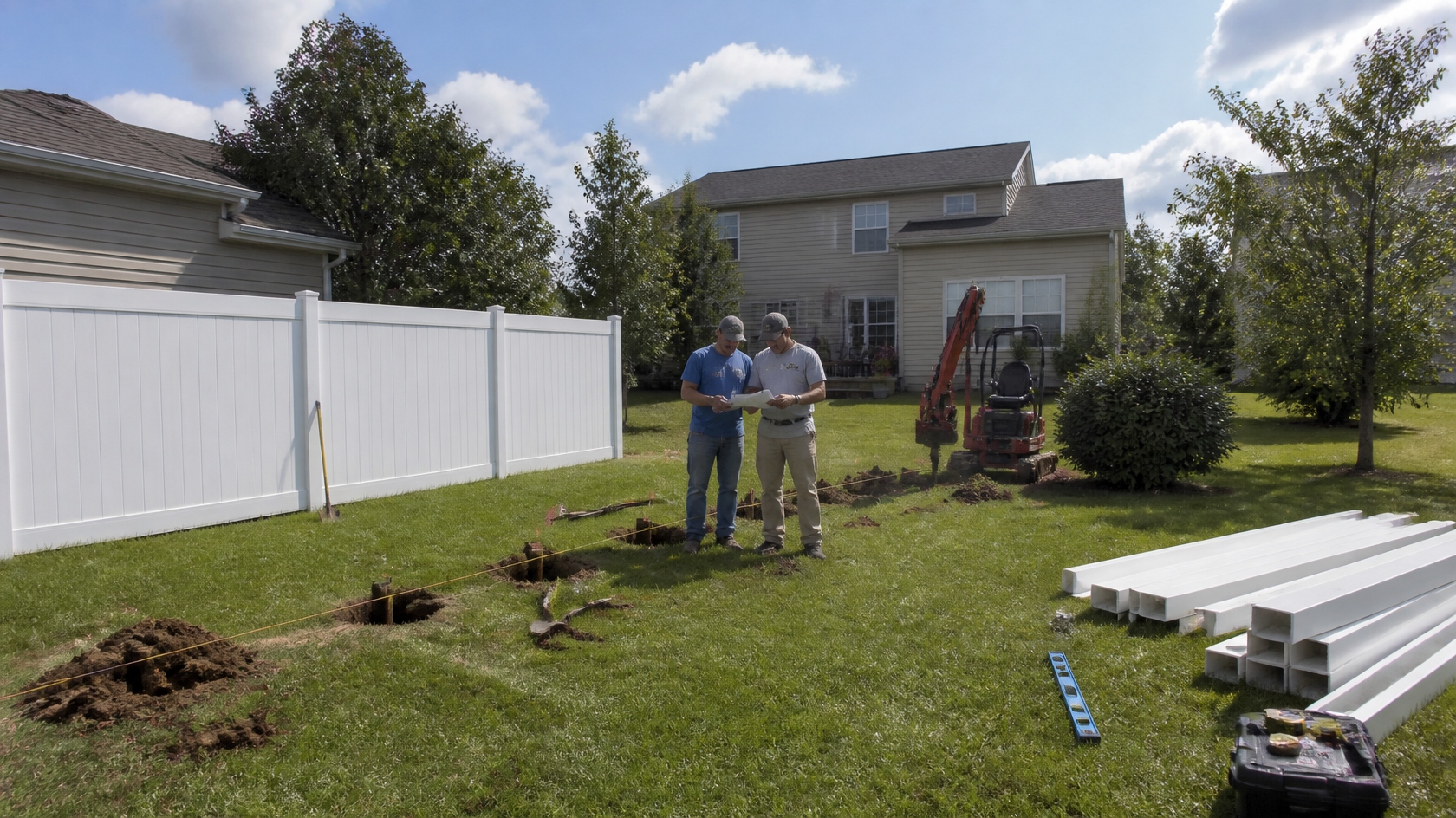
Before starting a vinyl fence installation in Marengo, homeowners should ask about fence style, height, gate locations, yard access, drainage, slopes, removal work, and how the project will handle local weather conditions. A detailed plan helps prevent surprises once posts are installed and makes it easier to compare estimates accurately.
What Type of Vinyl Fence Fits the Property?
The first question should focus on purpose.
Ask whether the fence is mainly for:
Backyard privacy
Pet containment
Side-yard screening
Property definition
Outdoor living
The answer can help narrow down the best vinyl style.
Full-privacy vinyl works well where screening is the priority, while semi-private or more open styles can allow additional airflow and light.
How Much Privacy Do I Actually Need?
Not every part of the yard may need a solid fence.
Homeowners should ask whether full privacy is necessary around:
The entire backyard
A patio
One property line
A pet area
A side yard
Targeted privacy can make a yard feel less enclosed while still blocking the views that matter most.
This can also help keep the project focused on the way the property is actually used.
What Fence Height Makes Sense?
Fence height should match the purpose of the project.
Ask how height affects:
Privacy
Pet containment
Wind exposure
Overall appearance
A taller fence may provide more screening, but it also uses more material and creates more surface area for wind.
Applicable local requirements should be reviewed before the final height is selected.
Where Should the Gates Go?
Gate locations should be decided before post placement begins.
Ask yourself how you normally move between:
The driveway
House
Backyard
Patio
Side yard
A poorly placed gate can make an otherwise good fence inconvenient.
Plan entrances around everyday traffic instead of choosing locations only because they are easy to install.
How Wide Should the Gates Be?
Measure equipment before selecting gate width.
Consider whether the yard needs access for:
Riding mowers
Trailers
Landscaping equipment
Utility vehicles
A standard walk gate may work for daily use, while a wider second gate can handle equipment.
Wide vinyl gates also need adequate support, reinforcement, hinges, and stable posts.
How Will the Fence Handle My Dog?
For pet owners, the fence should be planned around the dog rather than only the yard.
Ask about:
Fence height
Ground clearance
Gate gaps
Latch security
Visibility beyond the yard
Full-privacy vinyl can help reduce outside visual distractions for dogs that react to people, animals, or traffic.
Small dogs need extra attention around bottom and side gaps.
Are There Slopes Along the Fence Line?
Walk the yard and identify changes in elevation before installation.
Ask how the vinyl system will handle:
Slopes
Low spots
Uneven ground
Depending on the design, fence sections may need to be stepped or installed to follow the grade more closely.
Pet owners should pay particular attention to gaps beneath the fence where the ground changes elevation.
Does the Yard Have Drainage Problems?
Drainage should be discussed before posts go into the ground.
After rain, look for:
Standing water
Mud
Erosion
Downspout runoff
Soft soil
Vinyl does not rot like wood, but unstable soil can still affect the fence.
Poor drainage may contribute to:
Leaning posts
Ground gaps
Gate misalignment
If runoff is already affecting the yard, it should be considered during planning.
Is the Property Exposed to Strong Wind?
Full-privacy vinyl creates more wind resistance than open fencing.
Ask whether the property has exposed areas such as:
Long open fence runs
Rear property lines
Corners
Wide gate openings
Stable posts and proper connections are especially important in these locations.
If full privacy is only needed in part of the yard, a semi-private or mixed layout may be worth considering.
What Needs to Be Cleared Before Installation?
Ask what the installer expects the homeowner to prepare.
The fence line may need to be cleared of:
Furniture
Toys
Hoses
Planters
Shrubs
Vines
Stored materials
Leaves should also be removed if they hide low spots, roots, or existing footings.
A clear work area helps reveal conditions that could affect installation.
Will Existing Fencing Be Removed?
If vinyl is replacing an older fence, clarify exactly what removal includes.
Ask whether the project covers:
Panels or boards
Posts
Concrete footings
Gates
Hardware
Hauling
Disposal
Do not assume removal is included automatically.
It should be clearly shown in the estimate.
Will the New Fence Follow the Old Layout?
Replacement does not always mean copying the old fence exactly.
Ask whether the existing layout still makes sense.
This is a good opportunity to improve:
Gate locations
Equipment access
Privacy coverage
Pet containment
Side-yard use
An older fence may have been designed for a completely different household or yard setup.
How Will Trees and Landscaping Be Handled?
Identify landscaping close to the proposed fence line.
Ask how the project will work around:
Mature trees
Large roots
Shrubs
Garden beds
Decorative edging
In some cases, moving the fence line slightly may be more practical than disturbing major roots or established landscaping.
Leave enough space for future trimming and fence inspection where possible.
What Is Included in the Estimate?
A vinyl fence quote should be detailed enough to understand the complete scope.
Ask whether it includes:
Vinyl style
Fence height
Total footage
Posts and rails
Gates
Gate hardware
Labor
Removal work
Site preparation
Cleanup
Disposal
A short quote with only a total price makes accurate comparison difficult.
Are All Quotes Based on the Same Fence?
When comparing proposals, make sure each company is pricing the same project.
Check whether the estimates use the same:
Vinyl style
Height
Footage
Gate quantity
Gate widths
Removal scope
Cleanup responsibilities
A lower quote may simply include less work.
Comparing the details gives a clearer picture of overall value.
How Will Weather Affect the Project?
Marengo fall weather can become unpredictable as winter approaches.
Ask how scheduling may be affected by:
Heavy rain
Soft ground
Strong wind
Early snow
Freezing temperatures
Weather does not automatically prevent installation, but it can affect when certain work can be completed.
Earlier planning usually provides more flexibility.
How Should the Fence Be Maintained?
Vinyl generally requires less routine surface maintenance than wood.
Ask what homeowners should inspect after installation.
Typical checks include:
Cleaning panels
Inspecting posts
Checking rails
Testing gates
Looking for ground movement
Vinyl does not require routine staining or sealing, but regular inspections can help identify structural problems early.
How Should Vinyl Be Treated in Winter?
Cold weather can make vinyl less flexible.
Ask about avoiding hard impacts from:
Snow shovels
Snowblowers
Vehicles
Yard equipment
Snow should also be managed so gates remain usable and large piles do not block entrances.
Winter access should be considered before the final gate locations are approved.
Questions Worth Asking Before You Start
Before approving a vinyl fence project in Marengo, make sure you can answer:
Which vinyl style is being installed?
How much privacy do I need?
What height makes sense?
Where will the gates go?
How wide should they be?
How will slopes be handled?
Is drainage a concern?
Will the old fence be removed?
What yard preparation is required?
What does the quote include?
How will weather affect scheduling?
Clear answers before installation can prevent costly or inconvenient changes later.
Request a Free Vinyl Fence Estimate
Arrow Fence helps Marengo homeowners plan vinyl fencing for privacy, pets, side yards, backyard use, and gate access.
Whether you are considering full-privacy vinyl, semi-private fencing, replacement, or a new installation, Arrow Fence can help you review practical options for your property.
Contact Arrow Fence at arrowfencerockford.com to request a free estimate for your vinyl fence project.
