
Vinyl Fence Installation in Rockton, IL: Benefits, Maintenance & Style Options
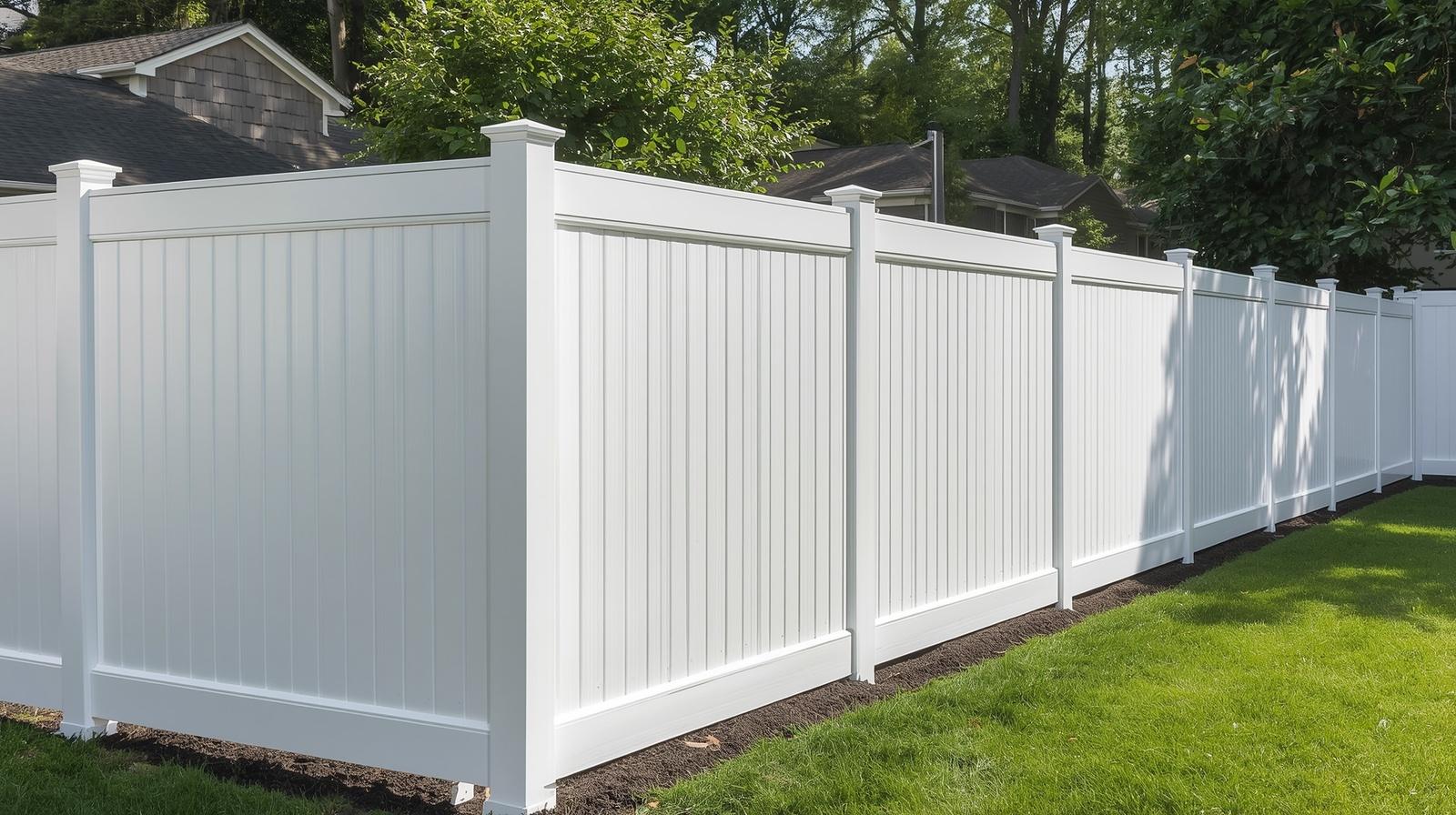
Vinyl fencing has become one of the most popular choices for homeowners in northern Illinois — and for good reason. It handles the Midwest climate well, requires very little upkeep, and comes in enough styles to work for almost any yard. This guide covers everything Rockton homeowners need to know before choosing vinyl for their next fence project.
Why Vinyl Fencing Has Become a Go-To Choice
Not long ago, wood was the default residential fencing material. It still has its place — and plenty of homeowners love it — but vinyl has quietly become the top pick for a growing number of property owners who want a fence that looks great without demanding constant attention.
In a town like Rockton, where yards back up to quiet streets, green spaces, and the kind of neighborhood settings where a clean, well-maintained fence makes a real difference, vinyl consistently delivers. It looks sharp on installation day, and it still looks sharp ten years later — without the repainting, re-staining, or rotted-board replacements that wood requires.
Here's a full look at why vinyl works, how to maintain it, and what style options are available.
The Benefits of Vinyl Fencing for Rockton Homeowners
It Holds Up Through Illinois Winters — and Summers
Northern Illinois is not gentle on outdoor materials. Freeze-thaw cycles shift the ground, heavy snow adds weight to fence panels, spring storms test post strength, and summer UV exposure fades and dries out wood over time.
Vinyl is engineered to handle all of it. It doesn't absorb moisture, so it won't swell, warp, or rot the way wood does after wet winters and muddy springs. Quality vinyl fencing is UV-stabilized, meaning it resists the fading and brittleness that sun exposure causes over time. And because it's flexible rather than rigid, it handles wind loading well without cracking or splintering under pressure.
One important note for Illinois installations: vinyl fence posts still need to be set at the proper depth — below the frost line — just like any other fence material. The panels themselves are weather-resistant, but proper post installation is what keeps the entire fence standing straight through the freeze-thaw cycles that define winters in this part of the state.
No Painting, Staining, or Sealing Required
This is the benefit that wins most homeowners over. With a wood fence, you're committing to a maintenance schedule — sealing, staining, or painting every couple of years, replacing boards that split or rot, and touching up sections that take on water damage over the winter. Miss a cycle or two and the decline accelerates quickly.
Vinyl needs none of that. The color is built into the material rather than applied on top of it, so it doesn't peel, chip, or fade the way painted wood does. There's no annual maintenance checklist. The fence you install is largely the fence you keep.
No Rot, Rust, or Splinters
Vinyl doesn't rot, and it doesn't rust. That eliminates two of the most common failure points in residential fencing — the rotting post base that compromises structural integrity, and the rust that works through metal hardware and chain link over time.
It also won't splinter, which matters for families with young kids and pets who spend time near the fence line. There are no rough edges, exposed nail heads, or sharp corners that come with aging wood.
Long Lifespan With Low Total Cost of Ownership
Vinyl fencing costs more upfront than wood. That's a real consideration and worth being honest about. But when you factor in the maintenance costs of wood over 20 years — staining, sealing, board replacements, hardware — the total cost of ownership often favors vinyl significantly.
A quality vinyl fence installed correctly can last 25 to 30 years or more. For most homeowners, that's the last fence they'll need to install in that location.
Strong Curb Appeal That Lasts
Vinyl fencing has come a long way in terms of design. Early versions had a somewhat uniform, plastic look that turned some homeowners off. Today's options include realistic wood-grain textures, a wide range of profiles, and color choices that go well beyond basic white. The result is a fence that complements your home's exterior rather than just defining your property line.
Because vinyl holds its appearance over time without fading or weathering, it continues to contribute to your home's curb appeal year after year — not just on installation day.
Vinyl Fence Style Options
One of the biggest misconceptions about vinyl fencing is that your only choice is a white privacy fence. The reality is that vinyl comes in a wide variety of styles suited to different purposes, aesthetics, and yard layouts.
Privacy Fencing
The most popular vinyl style for backyards. Full-panel privacy fencing typically runs 6 feet tall with no gaps between boards, creating a true enclosed outdoor space. Tongue-and-groove construction eliminates the narrow sightline gaps that standard board-on-board wood fencing often has.
This is the go-to choice for homeowners in Rockton who want a backyard that feels genuinely private — a place to entertain, let kids play, or simply relax without feeling visible from the street or neighboring yards.
Semi-Privacy Fencing
Semi-privacy styles use panels with small, evenly spaced gaps between boards. You get significant screening from the outside while still allowing airflow and light into the yard. It's a nice middle ground between a fully enclosed feel and a completely open design — and the airflow can actually be a practical benefit in areas with strong prevailing winds, as it reduces the surface pressure the fence takes on during storms.
Picket Fencing
Classic picket-style vinyl fencing is a natural fit for front yards. It defines the property, frames landscaping, and adds that traditional residential charm without blocking sightlines entirely. Vinyl picket fencing looks particularly clean because there's no paint to chip or warp and no exposed nail heads to rust and stain the surface over time.
Available in a range of picket shapes — flat top, Gothic point, dog-eared, and more — it's easy to find a profile that complements the architectural style of your home.
Ranch Rail Fencing
Rail fencing — sometimes called split-rail or ranch rail — uses horizontal rails between posts without vertical infill panels. It's an open style that works well for defining large property boundaries, framing a front yard, or adding a rustic, pastoral look to a rural or semi-rural property.
In vinyl, ranch rail delivers that countryside aesthetic without the ongoing maintenance that wood rail fencing demands. It won't gray, crack, or need replacing after a few rough winters.
Shadow Box Fencing
Shadow box panels alternate boards on either side of the fence rail, creating a design that looks the same from both sides and allows partial airflow while still providing substantial privacy. It's a popular choice for shared property lines where you want the fence to look equally good from your neighbor's yard.
Color and Texture Options
White is still the most popular color for vinyl fencing, and it works with nearly every home style and landscape. But vinyl is also available in tan, gray, clay, and darker tones that complement different exterior palettes. Wood-grain texture finishes give vinyl a more natural appearance that some homeowners prefer over the traditional smooth surface.
When choosing a color, think about how it will look against your home's siding, trim, and landscaping — and whether you want the fence to blend in or make a statement.
Vinyl Fence Maintenance: What You Actually Need to Do
The maintenance story with vinyl is short — and that's the point.
Regular Cleaning
The main thing vinyl needs is an occasional cleaning. Dirt, pollen, mold, and mildew can accumulate on the surface over time, especially in shaded areas or where the fence is close to garden beds. A rinse with a garden hose handles light buildup. For more stubborn staining, a soft brush with mild dish soap or a vinyl-safe fence cleaner does the job without damaging the surface.
Avoid using abrasive scrubbers or harsh chemical cleaners, which can scratch or dull the surface finish.
Seasonal Inspection
Even though vinyl itself is highly durable, it's worth walking your fence line once or twice a year — ideally in spring after the ground has thawed, and again in fall before winter sets in. Look for:
Posts that may have shifted due to frost heave
Hardware or gate hinges that have loosened over time
Any panel sections that have popped out of their rails after a heavy impact
Gate alignment — making sure it still opens, closes, and latches smoothly
Catching small issues early keeps them from becoming bigger problems.
After Major Storms
Following a significant storm, do a quick visual inspection of the entire fence. Vinyl panels that take a direct hit from a falling branch can crack, though this is relatively uncommon with quality materials. Gate hardware is the most vulnerable component after high-wind events — check that hinges are still properly seated and that latch mechanisms are working correctly.
What Vinyl Doesn't Need
Just as important as knowing what to do is knowing what you can skip:
No painting or staining — ever
No sealing or waterproofing treatments
No annual board replacements from rot
No rust treatment on hardware if stainless or galvanized fasteners were used during installation
Vinyl Fencing and Gates
A vinyl fence is only as functional as the gate that goes with it. Gates take more daily wear than any other part of the fence, and a well-built gate on a vinyl fence is designed with that in mind.
Vinyl gates typically use reinforced internal framing — often a metal insert within the vinyl posts and frame — to handle the weight and stress of repeated use. For larger drive gates, this internal reinforcement is especially important.
When planning your fence, think through gate placement carefully:
A walk-through gate for backyard access from the side yard
A wider double gate if you need to move lawn equipment, bikes, or vehicles through
Self-latching hardware for pet and child safety
Locking options if security is a priority
Gate posts should always be set with extra depth and concrete support, as they bear more load than standard fence posts.
Is Vinyl the Right Choice for Your Rockton Yard?
Vinyl fencing is an excellent fit for most residential applications in northern Illinois. It works especially well for homeowners who:
Want a low-maintenance fence they don't have to think about year after year
Have kids or pets and want a smooth, splinter-free enclosure
Are focused on privacy and want a clean, tight-panel look
Value curb appeal and want a fence that holds its appearance long-term
Are planning to stay in their home for many years and want to maximize long-term value
It may not be the best fit if you're working with a very tight upfront budget and need to minimize initial cost — in that case, wood or chain link may make more sense. A good fence contractor will be honest with you about that trade-off rather than pushing you toward the most expensive option.
Arrow Fence Installs Vinyl Fencing Throughout the Rockton Area
Arrow Fence has been serving homeowners in Rockton, Rockford, Machesney Park, Loves Park, and across northern Illinois and southern Wisconsin with quality fence installation, repair, and replacement. We carry a full range of vinyl fencing styles and colors, and we'll help you choose the right profile, height, and gate configuration for your specific yard.
Every fence we install is built to handle Illinois winters from the post footings up — because a fence that looks great on day one but leans by spring isn't a fence worth having.
Visit arrowfencerockford.com or give us a call to schedule your free estimate. We'll take a look at your yard, talk through your options, and give you a straight answer on what makes the most sense for your property and your budget.
