
Vinyl Fence Maintenance in Byron, IL: What to Check Before Freezing Temperatures
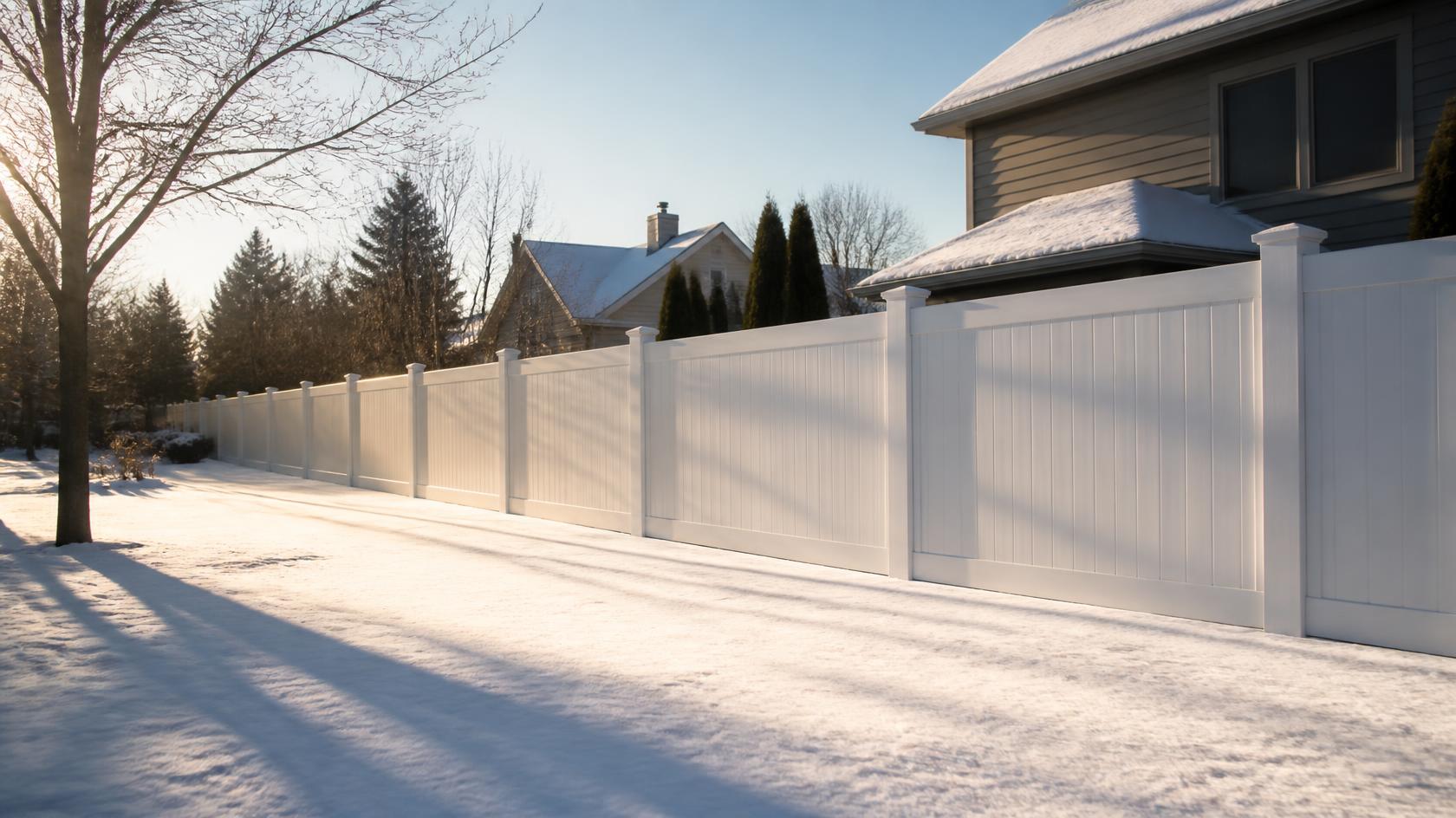
Before freezing temperatures arrive in Byron, homeowners should inspect vinyl fence posts, panels, rails, gates, hardware, drainage, ground gaps, and nearby branches. Vinyl requires less routine maintenance than wood, but fall is still an important time to catch movement, cracks, loose components, or erosion before winter weather makes those problems harder to address.
Why Fall Maintenance Still Matters for Vinyl Fencing
Vinyl is known for being relatively low maintenance, but that does not mean it should be ignored before winter.
Cold weather can affect the entire fence system, including:
Posts
Gates
Hardware
Soil around footings
Panel connections
Ground clearance
The panels themselves do not require staining or sealing, but winter conditions can reveal structural issues that may not be obvious during warmer months.
A fall inspection helps homeowners find those problems before the ground freezes.
Walk the Entire Fence Line
Start by walking the full fence line and looking for anything that appears different from earlier in the season.
Check for:
Leaning sections
Loose panels
Uneven rails
Gate problems
New ground gaps
Damaged post caps
Visible cracks
Inspect both sides where possible.
A small shift in one area may indicate movement in a nearby post or footing.
Check Fence Posts for Movement
Posts support the entire vinyl fence system.
Look for posts that:
Lean
Move at the base
Sit in eroded soil
Have exposed footings
Pull connected panels out of alignment
If a post is already moving in fall, freeze-thaw cycles may make the issue more noticeable later.
Gate posts deserve extra attention because they carry additional weight and repeated movement.
Inspect Panels for Cracks
Vinyl can become less flexible during very cold weather.
That makes existing cracks more important to address before temperatures drop.
Look for:
Hairline cracks
Split panel edges
Damaged corners
Impact marks
Loose sections
A small cosmetic mark may not require repair, but a structural crack should not be ignored.
Frozen vinyl can be more vulnerable to hard impacts.
Check Rails and Connections
Rails help hold the fence system together.
Inspect for:
Loose connections
Separation from posts
Cracked rail ends
Movement between sections
A loose rail may allow a panel to move more during wind or winter storms.
Repairing small connection problems before winter can help keep the fence more stable.
Test Every Gate
Gates often show movement before other parts of the fence.
Open and close each gate several times.
Check whether it:
Drags
Sags
Rubs against a post
Fails to latch
Has uneven gaps
Feels loose at the hinges
A gate that already needs extra force in fall may become more difficult to use after frozen ground or snow changes the clearance.
Inspect Hinges and Latches
Check all gate hardware for:
Loose screws
Weak hinges
Worn latches
Missing fasteners
Misalignment
The latch should engage without lifting or forcing the gate.
If the hardware is not lining up, inspect the gate posts and frame before assuming the latch itself is the only problem.
Check Ground Clearance
The bottom of the fence should be inspected before snow covers the yard.
Look for ground gaps near:
Gates
Slopes
Low spots
Drainage areas
Uneven terrain
These gaps can matter for pet owners and can also indicate erosion.
Ground clearance may change after winter as soil freezes and thaws.
Watch for Erosion
Heavy rain and runoff can wash soil away from fence posts and panels.
Look for:
Exposed footing edges
Washed-out areas
Channels beneath the fence
Low spots near gates
If erosion is already visible in fall, it should be addressed before winter moisture and spring snowmelt make it worse.
Check Drainage Around the Fence
Vinyl itself does not rot like wood, but poor drainage can still affect the fence structure.
Inspect for:
Standing water
Mud around posts
Downspout discharge
Water collecting near gates
Soft soil
Water should not continually collect around footings.
The fence should work with the natural drainage pattern of the yard.
Clear Leaves and Debris
Fall leaves can collect along solid vinyl fencing.
Remove buildup around:
Fence bases
Posts
Corners
Gates
Drainage paths
Leaves can hide:
Ground gaps
Erosion
Loose hardware
Small cracks
Keeping the fence line clear makes winter inspection easier.
Trim Shrubs and Vines
Plants should not remain pressed tightly against the fence.
Trim:
Shrubs
Vines
Tall ornamental grasses
Low branches
This helps improve access for inspection and reduces rubbing against panels.
It also makes it easier to see whether posts or lower sections have shifted.
Check Overhanging Tree Branches
Branches above the fence can become a winter hazard.
Look for branches that are:
Dead
Cracked
Hanging low
Resting against the fence
Snow and ice can add weight to weak limbs.
A falling branch can crack panels, bend rails, or damage posts.
Wash the Fence Before Winter
Fall can be a good time for routine cleaning.
Vinyl may collect:
Dirt
Mud
Grass clippings
Pollen
Organic buildup
Water, mild soap, and a soft brush can handle many common cleaning needs.
Avoid harsh abrasive tools that could scratch or dull the surface.
Cleaning also makes it easier to spot cracks or damage.
Do Not Use Harsh Impact Cleaning
Vinyl does not need aggressive cleaning.
Avoid methods that could damage panels, connections, or surface finish.
If using any stronger cleaning method, make sure it is appropriate for the specific fence product.
Simple cleaning is often enough for routine maintenance.
Check for Wind-Related Movement
Full-privacy vinyl catches more wind than open fence styles.
Inspect wind-exposed sections for:
Leaning posts
Loose panels
Rail movement
Gate shifting
If a solid fence section visibly moves in moderate wind, the posts or connections should be checked more closely.
Prepare Gates for Snow
Think about how snow will collect around each gate.
Check:
Swing direction
Bottom clearance
Snow storage areas
Shoveled paths
Pet access
Avoid planning to pile snow directly in front of frequently used gates.
A gate that works well in fall should remain practical once snow begins accumulating.
Keep Snow Removal Equipment Away From Panels
Frozen vinyl can be more vulnerable to impact.
During winter, avoid hitting panels with:
Snow shovels
Snowblowers
Vehicles
Yard equipment
Leave enough clearance around the fence when removing snow.
Repeated impacts can crack or damage cold panels.
Check Pet Areas Carefully
Pet owners should inspect the fence from inside the yard.
Look for:
Ground gaps
Loose panels
Gate openings
Weak latches
Digging areas
Erosion
Small gaps may be harder to see once snow covers the lower fence line.
Fixing them before winter helps maintain a more secure yard.
Review Sloped Sections
Vinyl fencing on sloped ground may be stepped or installed to follow the grade more closely.
Check where the terrain changes for:
Uneven gaps
Panel movement
Post shifting
Drainage problems
These transition areas can change more noticeably as the soil freezes and thaws.
Inspect Corners and Transitions
Corners and changes in fence direction deserve extra attention.
Look for:
Loose connections
Leaning posts
Uneven rails
Gaps between sections
These points may carry more structural stress than straight fence runs.
Repair Small Problems Before Winter
Minor repairs may include:
Tightening hardware
Adjusting gates
Replacing damaged components
Correcting isolated alignment issues
The earlier these problems are addressed, the less chance they have to worsen under snow, wind, or frozen ground.
When Replacement May Be Needed
A larger replacement may make sense when:
Several posts are failing
Multiple panels are cracked
Rails are repeatedly coming loose
Gates no longer stay aligned
The fence layout no longer works
Damage is widespread
The overall condition of the system should guide the decision.
Fall Vinyl Fence Maintenance Checklist
Before freezing temperatures arrive in Byron, check:
Posts
Panels
Rails
Gates
Hinges
Latches
Hardware
Ground gaps
Drainage
Erosion
Leaves
Shrubs
Tree branches
Snow-removal clearance
A complete inspection now can make spring maintenance easier.
Recheck After Severe Fall Weather
Strong wind and heavy rain can create new problems even after the first fall inspection.
After significant weather, check again for:
Leaning posts
Loose panels
Gate movement
Soil erosion
Fallen branches
Catching those changes before winter can help prevent more extensive repairs.
Request a Free Vinyl Fence Estimate
Arrow Fence helps Byron homeowners maintain, repair, and replace vinyl fencing before winter.
Whether your fence has loose panels, leaning posts, gate problems, drainage concerns, or damaged components, Arrow Fence can help you review practical repair or replacement options.
Contact Arrow Fence at arrowfencerockford.com to request a free estimate for your vinyl fence project.
