
Vinyl Fence in Rockton, IL: Styles, Pricing & Maintenance Guide
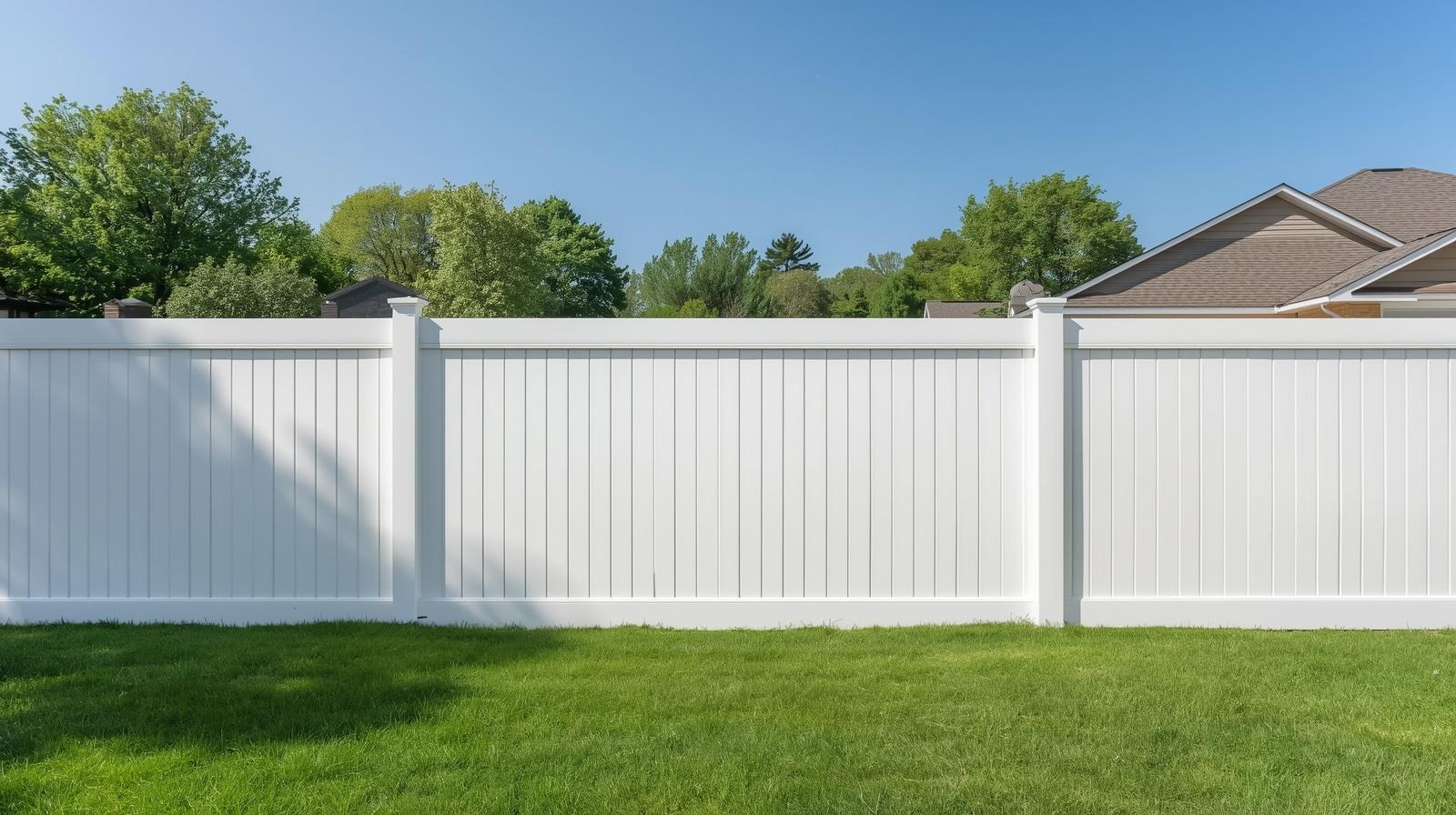
A vinyl fence in Rockton, IL typically costs $30–$65 per linear foot installed, depending on style, height, gates, yard size, and terrain. Vinyl privacy fences usually cost the most, while vinyl picket and split-rail styles are more budget-friendly. Vinyl is popular because it offers a clean appearance, strong moisture resistance, and very low maintenance compared to wood.
Why Vinyl Fencing Is Popular in Rockton, IL
Vinyl fencing is a strong choice for homeowners who want a fence that looks clean, lasts a long time, and does not require regular staining or sealing. In Rockton, IL, this matters because local weather can be tough on outdoor materials.
Rockton homeowners deal with:
Freezing winter temperatures
Snow and ice buildup
Spring rain and muddy soil
Freeze-thaw cycles that shift ground
Strong seasonal winds
Summer sun exposure
Wood fences can absorb moisture, rot, crack, or warp over time. Vinyl does not absorb water the same way, which makes it a practical option for homeowners who want fewer maintenance headaches.
Average Vinyl Fence Pricing in Rockton, IL
Most vinyl fence installations in Rockton, IL fall between $30 and $65 per linear foot installed. The final cost depends on fence style, height, yard layout, gates, and site conditions.
Typical Total Project Cost
Small yard: $4,500 – $6,500
Average yard: $6,000 – $10,000
Large yard: $9,000 – $12,000+
A simple vinyl picket fence will usually cost less than a tall vinyl privacy fence. A project with multiple gates, slopes, old fence removal, or premium colors will cost more.
Vinyl Fence Styles for Rockton Homes
1. Vinyl Privacy Fence
Vinyl privacy fencing is one of the most popular choices for backyards.
It is commonly used for:
Backyard privacy
Patios
Pet areas
Pool enclosures
Outdoor living spaces
Blocking views from neighbors
A 6-foot vinyl privacy fence creates a solid barrier and gives homeowners a more secluded yard. It usually costs more than other vinyl styles because it uses taller panels, stronger posts, and more material.
2. Vinyl Picket Fence
Vinyl picket fencing is ideal for homeowners who want a traditional look without blocking visibility.
It works well for:
Front yards
Garden areas
Decorative boundaries
Small pet areas
Curb appeal
Vinyl picket fencing is typically shorter, often around 3–4 feet, so it usually costs less than privacy fencing.
3. Vinyl Semi-Privacy Fence
Semi-private vinyl fencing offers a balance between privacy and airflow. It may include small gaps between panels or decorative spacing.
This style is useful for:
Side yards
Shared property lines
Pool areas
Wind-prone spaces
Decorative backyard boundaries
Semi-privacy fencing is a good choice if you want screening without making the yard feel completely closed off.
4. Vinyl Shadowbox Fence
A vinyl shadowbox fence is designed to look good from both sides. It provides partial privacy while allowing airflow.
This is helpful for:
Neighbor-facing fence lines
Properties with wind exposure
Decorative privacy
Backyards where both sides are visible
Shadowbox vinyl fencing can cost more than standard picket fencing but may cost less than some full privacy styles.
5. Vinyl Split-Rail Fence
Vinyl split-rail fencing is a more open, rural-style option. It is commonly used for larger lots, decorative borders, and property definition.
It works well for:
Large yards
Open properties
Decorative boundaries
Front acreage
Low-maintenance rural style
Split-rail does not provide privacy, but it is usually one of the more affordable vinyl fence styles.
What Impacts Vinyl Fence Cost?
1. Fence Height
Height is one of the biggest pricing factors.
Common vinyl fence heights include:
3–4 feet for picket and decorative fences
4–5 feet for pet containment
6 feet for backyard privacy
A taller fence costs more because it requires more material and stronger post support.
2. Linear Footage
The total length of your fence directly affects the final price. More footage means more panels, posts, caps, concrete, hardware, and labor.
A small backyard may need 100–150 linear feet. A larger Rockton property may need 200–300+ linear feet.
3. Gates and Hardware
Gates can increase the total cost significantly.
Gate pricing depends on:
Gate width
Single or double gate
Latch type
Hinge quality
Reinforced posts
Custom sizing
Slope or alignment issues
If you need access for a mower, trailer, or utility equipment, plan gate placement before installation.
4. Yard Layout
A simple rectangular yard is easier to fence than a yard with many corners, slopes, or obstacles.
More complex layouts may require:
Extra posts
Custom cuts
Additional labor
More layout time
Extra gate planning
Every corner and transition can affect the final quote.
5. Terrain and Soil Conditions
Rockton yards may include slopes, clay-heavy soil, tree roots, old concrete, or drainage issues. These conditions can increase labor time.
Difficult site conditions may require:
Deeper digging
Extra concrete
Custom panel adjustments
Stepped installation
Additional preparation
Proper post installation is especially important in Northern Illinois because freeze-thaw cycles can shift shallow posts.
6. Color and Decorative Upgrades
White vinyl is usually the most affordable and common option. Premium colors and decorative upgrades can increase price.
Common upgrades include:
Tan or gray vinyl
Wood-look vinyl
Lattice tops
Decorative caps
Accent rails
Heavy-duty gate hardware
Reinforced panels
These upgrades can improve appearance, but they should be included in your budget from the start.
Vinyl Fence Maintenance
One of the biggest advantages of vinyl fencing is low maintenance.
Vinyl does not need:
Painting
Staining
Sealing
Regular sanding
Rot treatment
Basic vinyl fence maintenance includes:
Rinsing with water
Cleaning with mild soap when needed
Checking gate hardware
Inspecting posts after storms
Removing dirt, grass clippings, or algae buildup
For most homeowners, vinyl maintenance is simple and occasional.
Vinyl Fence Durability in Illinois Weather
Vinyl performs well in Rockton, IL because it resists many of the problems that affect wood.
Vinyl is resistant to:
Moisture
Rot
Mold
Insects
Splintering
Peeling paint
This makes vinyl a strong choice for homeowners who want a fence that can handle snow, rain, and seasonal temperature changes.
However, installation quality still matters. Vinyl panels and posts must be properly installed to handle wind and soil movement. A poorly installed vinyl fence can still lean or shift even if the material itself is durable.
Vinyl vs Wood Fence Maintenance
Vinyl and wood are often compared because both are common privacy fence options.
Vinyl Fence
Higher upfront cost
Lower maintenance
No staining or sealing
Longer lifespan
Clean, consistent appearance
Wood Fence
Lower upfront cost
Requires staining or sealing
Can rot, warp, or crack
Easier to customize
More frequent repairs
Wood may be better if you want a natural look and custom design. Vinyl may be better if you want less maintenance and longer-term durability.
Best Uses for Vinyl Fencing
Vinyl fencing is a good fit for:
Backyard privacy
Pet containment
Pool areas
Low-maintenance yards
Decorative front yards
Neighborhood properties
Homeowners planning to stay long term
It is especially useful for homeowners who want a fence that keeps its appearance without regular repainting or staining.
Common Mistakes to Avoid
Homeowners often run into issues by:
Choosing vinyl based only on price
Forgetting to budget for gates
Ignoring property lines
Skipping permit checks
Choosing the wrong height
Not accounting for slope
Comparing quotes with different panel styles
Using low-quality materials
Hiring inexperienced installers
Avoiding these mistakes helps protect your investment and improves long-term performance.
FAQs
How much does a vinyl fence cost in Rockton, IL?
Most vinyl fences cost $30–$65 per linear foot installed, depending on style, height, gates, and yard conditions.
What is the most popular vinyl fence style?
Vinyl privacy fencing is one of the most popular choices for backyards.
Is vinyl fencing low maintenance?
Yes. Vinyl does not need painting, staining, or sealing.
How long does a vinyl fence last?
A properly installed vinyl fence can often last 20–30+ years.
Is vinyl better than wood?
Vinyl is better for low maintenance and moisture resistance. Wood is better for natural appearance and customization.
Get a Free Vinyl Fence Estimate in Rockton, IL
A vinyl fence in Rockton, IL can improve privacy, curb appeal, and long-term property value while keeping maintenance simple. Arrow Fence helps homeowners choose the right vinyl fence style, height, layout, and gate setup for their property.
Contact Arrow Fence today for a free vinyl fence estimate in Rockton, IL and get a customized quote for your project.
