
Vinyl vs Wood Fence in DeKalb, IL
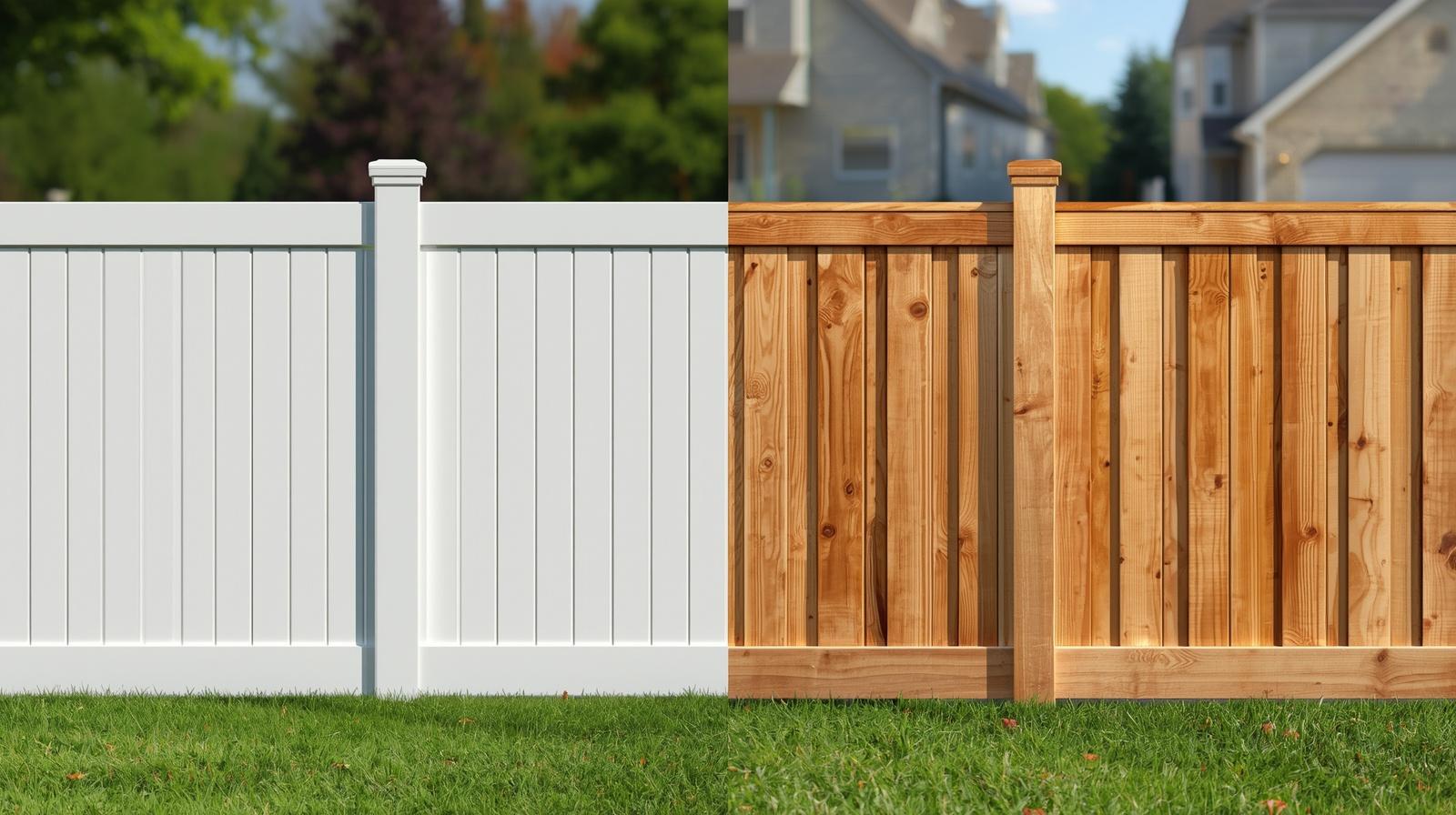
In DeKalb, IL, wood fencing has a lower upfront cost, but vinyl fencing offers a longer lifespan (20–30+ years) and significantly less maintenance. Wood typically lasts 10–20 years with upkeep, while vinyl performs better long-term—especially in Illinois weather.
Why Fence Material Matters in DeKalb, IL
Choosing between vinyl and wood fencing in DeKalb, IL is more than just a style decision—it directly impacts durability, maintenance, and long-term cost.
Northern Illinois weather creates constant stress on fences:
Freeze-thaw cycles that shift soil and loosen posts
Heavy snow and ice accumulation
Rain and humidity that introduce moisture
Strong seasonal winds
These conditions can cause wood to warp or rot over time, while more weather-resistant materials tend to last longer with fewer repairs.
Cost Comparison (2026 – DeKalb, IL)
Wood Fence Cost
$25 – $55 per linear foot installed
Lower upfront investment
Higher maintenance costs over time
Vinyl Fence Cost
$30 – $65 per linear foot installed
Higher initial cost
Minimal long-term maintenance
Wood is typically more affordable at installation, but vinyl often becomes more cost-effective over time due to reduced upkeep and longer lifespan.
Lifespan Comparison
One of the biggest differences between vinyl and wood fencing is durability.
Vinyl Fence Lifespan
Typically lasts 20–30+ years
Resistant to moisture, rot, and insects
Maintains structure with minimal upkeep
Wood Fence Lifespan
Typically lasts 10–20 years with maintenance
Vulnerable to rot and weather damage
Requires consistent care to reach full lifespan
Vinyl generally outlasts wood because it does not absorb moisture or decay like natural materials.
Maintenance Requirements
Maintenance is one of the biggest long-term cost differences.
Wood Fence Maintenance
Wood fences require ongoing care:
Staining or sealing every 2–3 years
Repairing warped or rotted boards
Protecting against moisture and insects
Without maintenance, wood can deteriorate quickly in Illinois climates.
Vinyl Fence Maintenance
Vinyl fences are low-maintenance:
Occasional cleaning with water
No staining or sealing required
Minimal repairs over time
This makes vinyl ideal for homeowners who want a long-lasting, low-effort solution.
Durability in Illinois Weather
Vinyl Fencing Performance
Vinyl performs well in Midwest conditions:
Does not absorb water
Resistant to rot, mold, and pests
Handles freeze-thaw cycles without warping
Maintains shape during snow and rain
Vinyl’s non-porous surface helps prevent moisture damage.
Wood Fencing Performance
Wood is strong but more sensitive to weather:
Absorbs moisture from rain and snow
Expands and contracts with temperature changes
Can warp, crack, or rot over time
Without regular sealing, wood fences degrade faster in harsh climates.
Appearance & Style
Wood Fence Appearance
Natural, warm, traditional look
Can be painted or stained
Highly customizable
Wood remains a popular choice for homeowners seeking a classic aesthetic.
Vinyl Fence Appearance
Clean, uniform appearance
Available in multiple colors and styles
Maintains color without fading or peeling
Modern vinyl options can replicate the look of wood while offering greater durability.
Repair Considerations
Wood Fence Repairs
Easier and less expensive to repair
Individual boards can be replaced
Repairs may be needed more frequently
Vinyl Fence Repairs
Less frequent repairs
Damaged sections often require full panel replacement
Repairs may cost more per incident
Wood is easier to fix, but vinyl typically requires fewer repairs overall.
Long-Term Cost Comparison
Looking beyond upfront pricing gives a clearer picture.
Wood Fence
Lower installation cost
Higher maintenance expenses
Shorter lifespan
May require replacement sooner
Vinyl Fence
Higher upfront cost
Minimal maintenance
Longer lifespan
Better long-term value
Over time, vinyl fencing often becomes more cost-effective because it reduces both maintenance and replacement costs.
Environmental Considerations
Wood
Natural and biodegradable
Renewable resource
Requires chemical treatments for durability
Vinyl
Made from synthetic materials
Long lifespan reduces replacement frequency
Minimal ongoing resource use
The decision often depends on whether you prioritize sustainability or convenience.
Which Fence Is Best for DeKalb, IL?
Choose Vinyl If You Want:
Long lifespan (20–30+ years)
Minimal maintenance
Strong resistance to moisture and weather
Better long-term value
Choose Wood If You Want:
Lower upfront cost
Natural, traditional appearance
More customization options
Easier repairs
Pro Tip for DeKalb, IL Homes
For homes in DeKalb, IL, durability is critical due to seasonal weather changes.
To maximize fence lifespan:
Install posts below the frost line
Ensure proper drainage around posts
Choose materials suited for Midwest climates
Even high-quality materials can fail without proper installation.
Common Mistakes to Avoid
Homeowners often make these mistakes:
Choosing based only on upfront cost
Ignoring long-term maintenance
Installing posts too shallow
Using low-quality materials
Not accounting for local weather
Avoiding these issues helps ensure your fence lasts as long as possible.
FAQs
Which fence lasts longer in DeKalb, IL?
Vinyl fences typically last longer due to their resistance to moisture and weather.
Is wood fencing still a good option?
Yes, but it requires regular maintenance to prevent damage.
Does vinyl crack in cold weather?
High-quality vinyl is designed to withstand freezing temperatures.
Which fence is cheaper long-term?
Vinyl is usually more cost-effective over time.
What is best for Illinois winters?
Vinyl is generally the better choice due to its durability and low maintenance.
Get a Free Fence Estimate in DeKalb, IL
Choosing between vinyl and wood fencing in DeKalb, IL depends on your budget, maintenance expectations, and long-term goals. Arrow Fence helps homeowners select and install the right fence for durability and performance.
Contact Arrow Fence today for a free fence estimate in DeKalb, IL and get expert guidance tailored to your property.
