
Vinyl vs Wood Fence in Oregon, IL: Cost & Lifespan Comparison (2026)
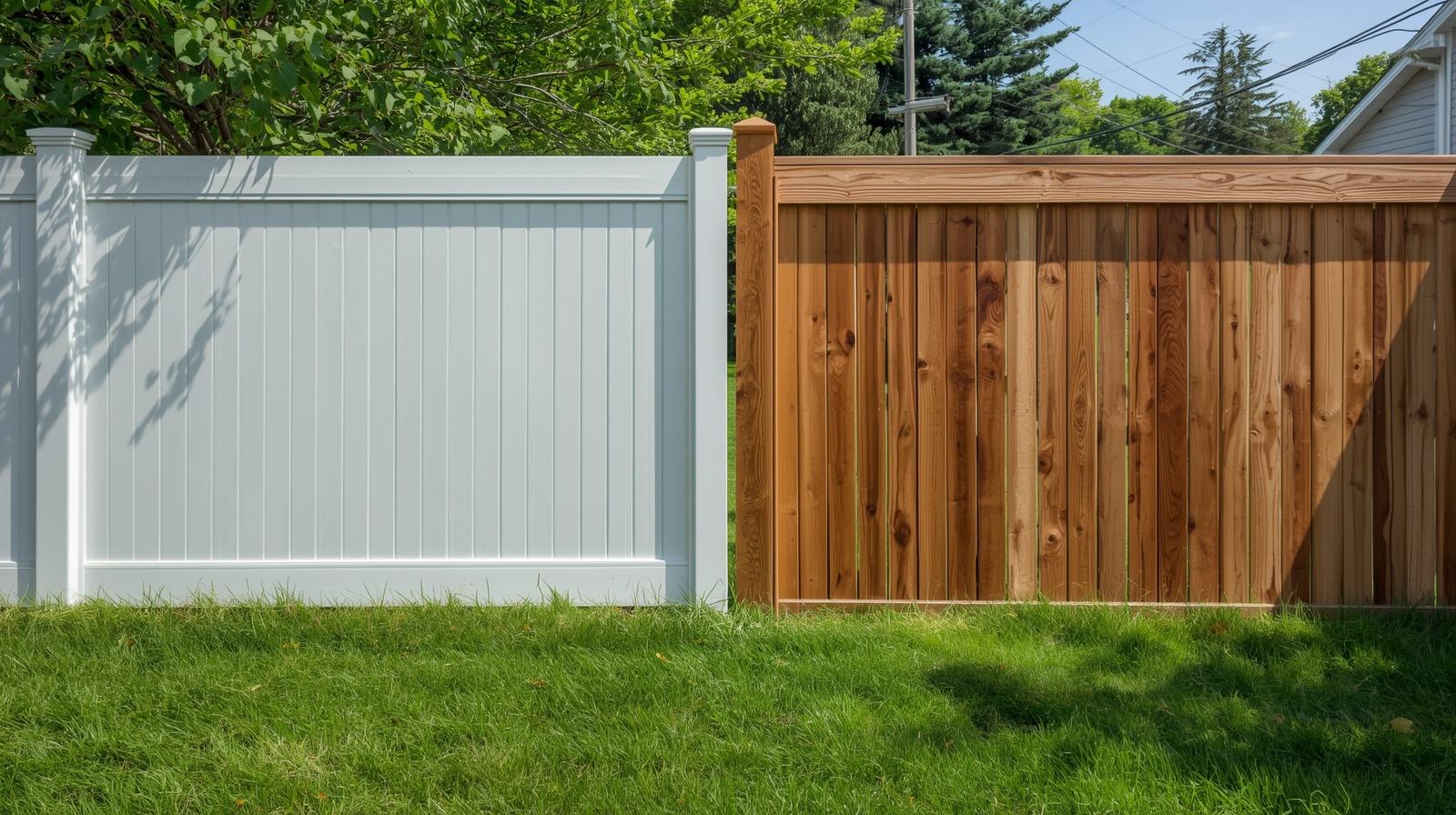
Choosing between vinyl and wood fencing in Oregon, IL isn’t just about looks—it’s about long-term cost, durability, and how well your fence holds up in Midwest weather. With freezing winters, moisture, and strong winds, your choice of material can significantly impact maintenance, lifespan, and overall value.
This guide breaks down everything homeowners need to know before deciding.
Why Fence Material Matters in Oregon, IL
In Oregon, IL, fences are exposed to:
Heavy snow and ice during winter
Freeze-thaw cycles that shift and weaken posts
Rain and humidity that can cause rot
Wind exposure, especially in open or rural areas
These conditions make durability and maintenance just as important as upfront cost.
Overview: Vinyl vs Wood Fence
Both vinyl and wood are popular choices, but they serve different needs.
Vinyl fencing is known for durability and low maintenance
Wood fencing offers a natural look with lower upfront cost
The right choice depends on your priorities: budget, appearance, or long-term performance.
Cost Comparison (2026 – Oregon, IL)
Wood Fence Costs
$20 – $45 per linear foot
Lower upfront investment
Additional costs over time for maintenance
Vinyl Fence Costs
$30 – $60 per linear foot
Higher upfront cost
Minimal long-term expenses
What This Means
If you’re working with a tight budget, wood is more affordable initially. However, vinyl often becomes more cost-effective over time because it requires far less maintenance and fewer repairs.
Lifespan Comparison
One of the biggest differences between vinyl and wood fencing is how long each lasts.
Vinyl Fence Lifespan
Typically lasts 20–30+ years
Resistant to moisture, insects, and rot
Maintains appearance over time
Wood Fence Lifespan
Typically lasts 10–20 years with proper maintenance
Can degrade faster without regular care
More susceptible to weather-related damage
In Oregon, IL, where weather conditions are harsh, vinyl often lasts significantly longer than wood.
Durability in Midwest Weather
Weather resistance is where vinyl and wood really separate.
Vinyl Fencing Performance
Vinyl is engineered for outdoor durability.
Does not absorb water
Will not rot, warp, or crack easily
Performs well in freezing and thawing conditions
Resistant to mold and mildew
This makes vinyl one of the most reliable options for homeowners dealing with snow and moisture.
Wood Fencing Performance
Wood is strong but more vulnerable to the elements.
Absorbs moisture from rain and snow
Can warp, crack, or rot over time
Requires sealing to maintain durability
Without proper maintenance, wood fences can deteriorate quickly in Midwest climates.
Maintenance Requirements
Maintenance is one of the biggest long-term differences between vinyl and wood.
Vinyl Fence Maintenance
Vinyl is extremely low maintenance.
Occasional cleaning with water
No staining or sealing required
No risk of rot or insect damage
This makes vinyl ideal for homeowners who want a hassle-free option.
Wood Fence Maintenance
Wood requires regular upkeep to stay in good condition.
Staining or sealing every 2–3 years
Repairs for rot, warping, or cracking
Ongoing maintenance costs
Over time, maintenance can add significantly to the total cost of a wood fence.
Appearance & Style
Appearance is often the deciding factor for many homeowners.
Wood Fence Aesthetic
Natural, traditional look
Can be painted or stained any color
Works well with older or rustic homes
Wood offers more flexibility for customization.
Vinyl Fence Aesthetic
Clean, uniform appearance
Available in multiple styles and colors
Maintains its look without fading or peeling
While vinyl has fewer customization options than wood, it provides a consistent, polished appearance.
Repair Considerations
Repairs are another important factor when choosing a fence.
Wood Fence Repairs
Easier and cheaper to repair
Individual boards can be replaced
More frequent repairs needed over time
Vinyl Fence Repairs
Less frequent repairs
Damaged sections often require full panel replacement
Repairs can be more expensive per incident
Wood is easier to fix, but vinyl requires fewer repairs overall.
Wind Resistance in Oregon, IL
Wind can be a major factor in fence performance.
Vinyl Fence
Strong but solid panels can catch wind
Requires proper installation and reinforced posts
Poor installation increases risk of damage
Wood Fence
More flexible under pressure
Can allow airflow between boards
Performs well in semi-private designs
For windy areas in Oregon, IL, fence design (not just material) plays a big role.
Long-Term Value
When comparing total value, it’s important to look beyond upfront cost.
Vinyl Fence Value
Higher initial investment
Lower maintenance costs
Longer lifespan
Better long-term return
Wood Fence Value
Lower upfront cost
Higher maintenance expenses
Shorter lifespan
More frequent repairs
For most homeowners, vinyl provides better long-term value despite the higher initial cost.
Which Fence Should You Choose?
Choose Vinyl If You Want:
A long-lasting fence (20+ years)
Minimal maintenance
Strong resistance to snow and moisture
Lower long-term costs
Choose Wood If You Want:
A lower upfront investment
A natural, traditional appearance
More customization options
Easier repairs
Pro Tip for Oregon, IL Homes
The best fence setup often depends on your property and exposure to weather.
Use vinyl for long-term durability and low maintenance
Choose wood for aesthetics and flexibility
Ensure proper post depth and installation to handle freeze-thaw cycles
Even the best material will fail if not installed correctly.
Common Mistakes to Avoid
Homeowners in Oregon, IL often run into issues by:
Choosing based only on upfront cost
Ignoring maintenance requirements
Installing posts too shallow for frost depth
Not considering wind exposure
Using low-quality materials
Avoiding these mistakes helps extend the life of your fence.
FAQs
Which fence lasts longer in Oregon, IL?
Vinyl fences typically last longer than wood due to their resistance to moisture and weather.
Is wood fencing a bad choice?
Not at all—it’s a great option if you’re willing to maintain it regularly.
Does vinyl crack in cold weather?
High-quality vinyl is designed to handle freezing temperatures without cracking.
Which is cheaper long-term?
Vinyl is usually cheaper over time due to lower maintenance and longer lifespan.
What’s best for resale value?
Vinyl often adds more long-term value due to durability and appearance.
Get a Free Fence Estimate in Oregon, IL
Choosing between vinyl and wood fencing in Oregon, IL depends on your budget, maintenance preferences, and long-term goals. Arrow Fence helps homeowners select and install the right fence for lasting performance.
Contact Arrow Fence today for a free fence estimate in Oregon, IL and get expert guidance tailored to your property.
