
Vinyl vs Wood Fence in Poplar Grove, IL: Cost, Durability & Maintenance (2026)
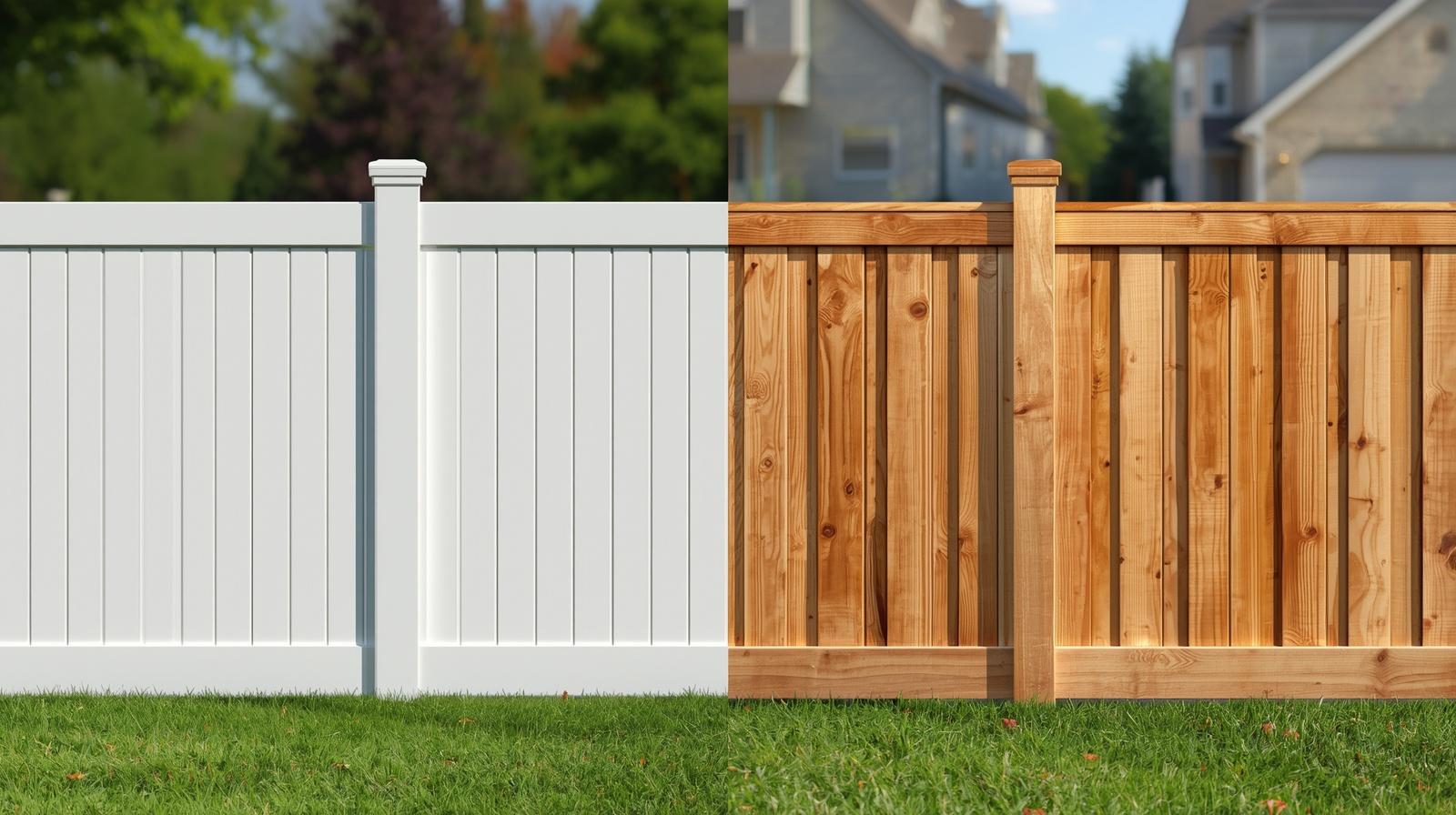
In Poplar Grove, IL, wood fencing usually costs less upfront, while vinyl fencing offers a longer lifespan and lower maintenance over time. Wood fences typically last 10–20 years with regular upkeep, while vinyl fences often last 20–30+ years. For homeowners who want a low-maintenance fence that handles Illinois weather well, vinyl is usually the better long-term choice. For homeowners who want a natural look and lower starting cost, wood remains a strong option.
Why Fence Material Matters in Poplar Grove, IL
Choosing between vinyl and wood fencing in Poplar Grove, IL affects more than the look of your yard. Your fence material impacts installation cost, maintenance, repairs, lifespan, and how well the fence performs through Midwest weather.
Poplar Grove homeowners deal with conditions that can be tough on outdoor structures, including:
Freezing winters with snow and ice
Freeze-thaw cycles that shift soil and loosen posts
Rain and humidity that increase moisture exposure
Strong seasonal winds across open lots
Summer sun that can fade or dry out materials
Because of these conditions, the best fence is one that fits your budget, maintenance expectations, and long-term plans for the property.
Cost Comparison (2026 – Poplar Grove, IL)
Cost is often the first thing homeowners compare when deciding between vinyl and wood.
Wood Fence Cost
$25 – $55 per linear foot installed
Lower upfront cost
Higher long-term maintenance expenses
More frequent repairs over time
Vinyl Fence Cost
$30 – $65 per linear foot installed
Higher upfront investment
Lower maintenance costs
Longer lifespan
Wood is usually more affordable at installation, which makes it appealing if you want to keep the initial project cost lower. However, wood also requires staining, sealing, board replacement, and more regular upkeep. Over time, those costs can reduce the savings.
Vinyl typically costs more upfront, but it often becomes more cost-effective over the life of the fence because it requires far less maintenance.
Lifespan Comparison
Lifespan is one of the biggest differences between vinyl and wood fencing.
Vinyl Fence Lifespan
Vinyl fences often last 20–30+ years when properly installed. Vinyl is designed to resist moisture, insects, decay, and routine weather exposure. It does not rot, splinter, or absorb water like wood.
That makes vinyl a strong fit for Poplar Grove, IL homeowners who want a fence that can handle snow, rain, and seasonal temperature changes with minimal upkeep.
Wood Fence Lifespan
Wood fences typically last 10–20 years, depending on wood type, maintenance schedule, drainage, and exposure to weather. A well-maintained cedar or pressure-treated wood fence can perform well, but it requires consistent care.
Without regular sealing or staining, wood can absorb moisture, crack, warp, or rot much sooner. In shaded or wet areas, wood may deteriorate faster.
Maintenance Requirements
Maintenance is often the deciding factor between vinyl and wood.
Wood Fence Maintenance
Wood requires routine care to stay strong and attractive.
Typical maintenance includes:
Staining or sealing every 2–3 years
Replacing cracked, warped, or rotted boards
Checking for loose nails or screws
Inspecting posts for rot near ground level
Cleaning mildew, dirt, or algae buildup
Wood can look beautiful, but it needs ongoing attention. Homeowners who skip maintenance may see faster deterioration, especially after several Illinois winters.
Vinyl Fence Maintenance
Vinyl is much easier to maintain.
Typical maintenance includes:
Occasional rinsing with water
Mild soap for dirt or algae buildup
Checking gate hardware and post stability
Replacing damaged panels only when needed
Vinyl does not need staining, sealing, or painting. This makes it ideal for homeowners who want a clean, attractive fence without frequent maintenance projects.
Durability in Illinois Weather
Weather durability is especially important in Poplar Grove, IL.
Vinyl Fencing Performance
Vinyl performs well in wet and cold conditions because it does not absorb moisture. It resists rot, mold, insects, and decay.
Vinyl is especially useful during Illinois winters because snow and ice do not penetrate the material. During spring thaw, vinyl also avoids the moisture problems that often affect wood.
That said, vinyl still needs proper installation. Posts must be set correctly, and panels should have enough support to handle wind pressure.
Wood Fencing Performance
Wood is naturally strong, but it reacts to moisture and temperature changes. It can expand, contract, warp, or crack over time.
Wood fences in Poplar Grove, IL are most vulnerable at:
Post bases near soil contact
Horizontal rails that collect moisture
Boards exposed to repeated snow and rain
Areas with poor drainage
Shaded spots that stay damp longer
With proper sealing and maintenance, wood can still perform well. Without maintenance, it usually requires more frequent repairs than vinyl.
Appearance & Style
Both vinyl and wood can look great, but they offer different styles.
Wood Fence Appearance
Wood has a natural, classic appearance that many homeowners prefer. It works well with traditional homes, country properties, rustic landscapes, and backyards where a warmer look is desired.
Wood can also be:
Painted
Stained
Cut into custom styles
Built in privacy, picket, board-on-board, or shadowbox designs
Wood offers more customization than vinyl, making it a good choice for homeowners who want a specific color, texture, or design.
Vinyl Fence Appearance
Vinyl has a clean, uniform appearance. It is available in several colors and styles, including privacy, semi-private, picket, and decorative designs.
Vinyl does not peel, chip, or require repainting. It keeps a consistent look over time, which appeals to homeowners who want a polished, low-maintenance fence.
Modern vinyl options can also create a wood-like look while offering better resistance to moisture and rot.
Privacy Comparison
Both vinyl and wood can provide excellent privacy.
Wood Privacy Fence
Wood privacy fencing is flexible and customizable. Boards can be installed tightly together for full privacy or spaced slightly for airflow and wind relief.
Wood is a strong option if you want:
A custom height
A stained or painted finish
Board-on-board construction
A more natural backyard appearance
Vinyl Privacy Fence
Vinyl privacy fencing usually comes in panel systems that create a clean, solid barrier. It is especially popular for backyards, patios, pool areas, and pet spaces.
Vinyl panels provide strong privacy with very little maintenance. They also keep a consistent appearance year after year.
Repair Considerations
Repairs are another important difference between the two materials.
Wood Fence Repairs
Wood is generally easier and cheaper to repair. Individual boards, rails, or pickets can often be replaced without changing the entire section.
Common wood repairs include:
Replacing boards
Resetting posts
Repairing rails
Fixing gate hardware
Restaining damaged areas
Wood repairs may happen more often, but they are usually straightforward.
Vinyl Fence Repairs
Vinyl usually needs fewer repairs, but when damage happens, it may require replacing a full panel or section.
Common vinyl repairs include:
Replacing cracked panels
Fixing gate hinges
Resetting posts
Replacing caps or rails
Vinyl repairs can cost more per incident, but they usually happen less often when the fence is installed properly.
Long-Term Cost Comparison
The best value depends on how long you plan to stay in your home and how much maintenance you want to handle.
Wood Fence Long-Term Cost
Wood has a lower starting price, but maintenance adds up over time. Staining, sealing, board replacement, post repair, and gate adjustments can increase the total cost of ownership.
Wood may be best if:
You want a lower upfront price
You like natural materials
You are comfortable with maintenance
You want custom design flexibility
Vinyl Fence Long-Term Cost
Vinyl costs more upfront but requires much less maintenance. Over 20–30 years, it can be the better value because it avoids many upkeep and replacement expenses.
Vinyl may be best if:
You want minimal maintenance
You want long lifespan
You prefer a clean, modern look
You want strong moisture resistance
Which Fence Is Best for Poplar Grove, IL?
Choose Vinyl If You Want:
A fence that lasts 20–30+ years
Low maintenance
Strong resistance to snow, moisture, and rot
A clean, consistent appearance
Better long-term value
Choose Wood If You Want:
Lower upfront cost
Natural appearance
More customization options
Easier individual repairs
A traditional backyard look
For many homeowners in Poplar Grove, IL, vinyl is the better long-term choice for durability and maintenance. Wood is better for homeowners who prioritize natural style, customization, and initial affordability.
Pro Tip for Poplar Grove, IL Homes
No fence material performs well without proper installation. In Poplar Grove, IL, post depth, drainage, and wind exposure matter just as much as the material itself.
For best results:
Set posts below frost depth
Use proper concrete footings
Avoid poor drainage around posts
Choose hardware rated for outdoor use
Match the fence design to wind exposure
A well-installed wood fence can outperform a poorly installed vinyl fence, so workmanship matters.
Common Mistakes to Avoid
Homeowners often make these mistakes when choosing between vinyl and wood:
Choosing based only on upfront cost
Ignoring long-term maintenance
Installing posts too shallow
Using low-quality materials
Forgetting about drainage
Not considering wind exposure
Assuming all vinyl or wood products are the same
Avoiding these mistakes helps your fence last longer and perform better through Illinois weather.
FAQs
Which fence lasts longer in Poplar Grove, IL?
Vinyl usually lasts longer than wood because it resists moisture, rot, and insects.
Is wood fencing still a good option?
Yes. Wood is a great option if you want a natural look and are willing to maintain it.
Which fence is cheaper upfront?
Wood is usually cheaper upfront than vinyl.
Which fence is cheaper long-term?
Vinyl is often cheaper long-term because it requires less maintenance and lasts longer.
What fence is best for Illinois winters?
Vinyl is usually the better choice for winter because it does not absorb moisture or rot.
Get a Free Fence Estimate in Poplar Grove, IL
Choosing between vinyl and wood fencing in Poplar Grove, IL depends on your budget, maintenance preferences, and long-term goals. Arrow Fence helps homeowners choose the right fence for privacy, durability, and Midwest weather performance.
Contact Arrow Fence today for a free fence estimate in Poplar Grove, IL and get expert guidance tailored to your property.
