
Vinyl vs Wood Fence in Roscoe, IL: Which Is Better for Midwest Weather?
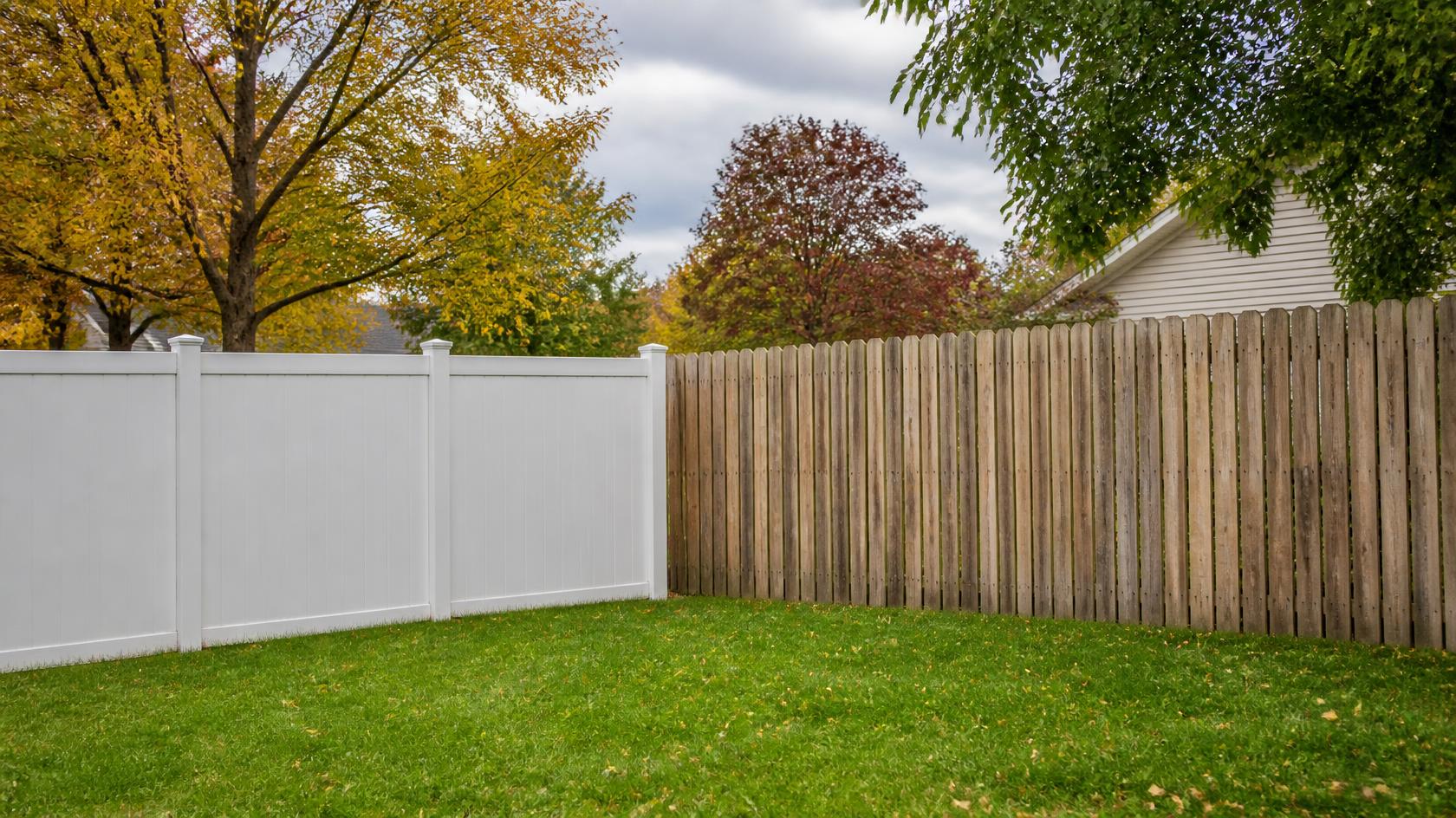
Both vinyl and wood fencing can work well in Roscoe, but they respond differently to Midwest weather. Wood offers natural character and easy customization but needs more routine maintenance, while vinyl requires less refinishing and handles moisture well but can become less flexible during severe cold. The better choice depends on maintenance preferences, privacy needs, pets, wind exposure, and the condition of the yard.
Why Midwest Weather Matters When Choosing a Fence
Roscoe homeowners deal with changing conditions throughout the year.
A fence may be exposed to:
Heavy rain
Snow
Ice
Strong wind
Summer heat
Humidity
Freeze-thaw cycles
These seasonal changes affect not only the fence material but also posts, gates, soil, drainage, and hardware.
That is why material choice should consider long-term maintenance, not just how the fence looks on installation day.
How Wood Handles Midwest Weather
Wood is a natural material, so it reacts to moisture and temperature changes.
Boards may expand, contract, dry, or weather over time.
Properly maintained wood fencing can continue to provide strong privacy and curb appeal, but homeowners should expect to inspect it periodically.
Common areas to watch include:
Board cracks
Loose fasteners
Rot
Splinters
Worn stain
Moisture near the base
Gate alignment
Wood performs best when drainage is good and wet debris is not allowed to remain against the fence.
How Vinyl Handles Midwest Weather
Vinyl does not absorb moisture in the same way wood does.
That means homeowners do not need to worry about wood rot, staining, or sealing.
Routine care usually involves:
Cleaning panels
Checking posts
Inspecting rails
Testing gates
Watching for impact damage
However, cold weather still matters.
Vinyl can become less flexible during severe cold, so frozen panels should be protected from hard impacts from shovels, vehicles, equipment, or falling branches.
Wood and Rain
Repeated moisture exposure can affect wood if it is not maintained properly.
Rain may contribute to:
Surface wear
Rot
Swelling
Cracking
Deterioration near ground level
Wood fencing should have enough airflow around it to dry after wet weather.
Avoid keeping mulch, wet leaves, or soil piled against the boards.
A protective finish may also help, depending on the type of wood and existing condition.
Vinyl and Rain
Vinyl generally handles rain with less surface maintenance.
It does not require sealing to protect it from moisture.
Rain can still create problems around:
Posts
Footings
Gates
Low spots
Poor drainage can wash soil away beneath a vinyl fence even if the panels themselves remain unaffected.
The ground supporting the fence still needs attention.
Wood and Snow
Snow itself does not automatically damage wood, but heavy accumulation and prolonged moisture can increase stress.
Homeowners should avoid:
Piling heavy snow against panels
Letting wet debris remain at the base
Hitting boards with snow-removal equipment
Check the fence again after winter for movement, loose boards, or moisture-related damage.
Vinyl and Snow
Vinyl handles moisture from snow well, but winter impacts can be more important than moisture itself.
When temperatures drop significantly, avoid striking frozen panels with:
Shovels
Snowblowers
Vehicles
Yard equipment
Heavy snow should also not be repeatedly pushed against the fence.
Freeze-Thaw Cycles Affect Both Materials
Freeze-thaw cycles often affect the ground more than the fence panel itself.
Moisture in the soil can freeze, expand, and later thaw.
This may contribute to:
Post movement
Gate misalignment
Soil heaving
Ground gaps
Exposed footings
Both wood and vinyl fences need stable posts and good drainage to handle seasonal ground movement.
Wood and Wind Exposure
Solid wood privacy fencing catches wind.
Posts, rails, and fasteners need to be strong enough to support the fence during storms.
Wind-exposed areas should be checked for:
Loose boards
Leaning posts
Cracked rails
Gate movement
Shadowbox fencing may allow more airflow than solid wood while still providing partial privacy.
Vinyl and Wind Exposure
Full-privacy vinyl panels also catch significant wind.
Because the panels are solid, stable posts and secure connections are especially important.
Homeowners with exposed yards may consider whether:
Full privacy
Semi-private vinyl
A mixed fence layout
makes the most sense.
Semi-private panels allow more airflow while still creating separation.
Which Requires Less Maintenance?
Vinyl generally requires less routine surface maintenance.
Homeowners typically do not need to:
Paint
Stain
Seal
Sand
Wood requires more periodic attention.
Depending on weather exposure and condition, maintenance may include:
Cleaning
Staining
Sealing
Board repair
Fastener replacement
For homeowners who want a lower-maintenance fence, vinyl may be more convenient.
Which Offers More Customization?
Wood generally offers more design flexibility.
Homeowners can choose:
Vertical boards
Board-on-board
Shadowbox
Horizontal layouts
Custom stains
Decorative tops
Wood can also be modified or repaired using individual boards.
Vinyl offers several styles as well, but designs are usually based on manufactured panels and components.
Which Provides Better Privacy?
Both materials can provide strong privacy.
Wood Privacy
Solid vertical and board-on-board styles provide excellent screening.
Wood can also be customized around patios, decks, and specific sightlines.
Vinyl Privacy
Full-privacy vinyl panels create consistent screening without gaps between individual boards.
For homeowners who want a clean, uniform appearance, vinyl can be especially appealing.
Which Is Better for Dogs?
Both materials can work well for pet owners.
Solid wood and vinyl can block views of:
Neighboring dogs
Wildlife
Pedestrians
Vehicles
This can help reduce visual distractions for some dogs.
Pet-friendly fencing should also consider:
Fence height
Gate security
Ground gaps
Digging behavior
Jumping ability
The material is only one part of a secure pet enclosure.
Wood Gates vs Vinyl Gates
Gate performance depends heavily on installation and post stability.
Wood Gates
Wood gates can be customized easily, but wide gates may become heavy.
They may require:
Strong hinges
Proper bracing
Stable posts
Vinyl Gates
Vinyl gates can provide a clean appearance and may need internal reinforcement, especially for wider openings.
For both materials, gate width should be planned around daily use and equipment access.
Drainage Matters for Both
A fence material cannot compensate for poor drainage.
Heavy rain and snowmelt can:
Wash soil away
Expose footings
Create ground gaps
Affect gate alignment
Before installation, inspect:
Low areas
Runoff paths
Downspout discharge
Erosion
Good drainage helps protect both wood and vinyl fence systems.
Which Is Better on Sloped Yards?
Both can work on changing terrain.
Depending on the fence system, sections may be:
Stepped
Installed to follow the grade more closely
Wood offers significant flexibility because individual boards can be adjusted.
Vinyl systems may require specific installation methods based on panel design.
Pet owners should pay special attention to ground gaps on sloped sections.
Which Is Easier to Repair?
Wood repairs can often be relatively straightforward when damage is isolated.
Individual:
Boards
Rails
Fasteners
Gate components
may be replaceable.
Vinyl repairs depend more on manufactured parts.
A damaged panel or rail may require a matching replacement component.
For both materials, post movement should be corrected before replacing surface components.
Which Material Looks Better Over Time?
This depends on homeowner preference.
Wood develops a more natural weathered appearance unless it is regularly refinished.
Vinyl generally keeps a more consistent manufactured appearance with routine cleaning.
Homeowners should ask themselves whether they prefer:
Natural aging and customization
Consistent color and lower surface maintenance
Neither appearance is universally better.
Consider a Mixed-Material Layout
Roscoe homeowners do not always have to choose one material for the entire property.
A mixed plan might use:
Vinyl privacy near a patio
Wood around an outdoor living area
Chain link around a larger pet area
Aluminum near landscaping
This can help balance maintenance, privacy, appearance, and budget.
Wood May Be a Better Fit If You Want
Wood may suit homeowners who prioritize:
Natural character
Custom design
Traditional backyard appearance
Easier individual-board repairs
Flexible stain options
It works especially well for homeowners who are comfortable with periodic maintenance.
Vinyl May Be a Better Fit If You Want
Vinyl may suit homeowners who prioritize:
Lower routine maintenance
Consistent privacy
Clean appearance
No regular staining
Moisture-resistant panels
It can be especially practical for homeowners who want strong privacy with simpler upkeep.
Prepare Either Fence for Roscoe Weather
Regardless of material, homeowners should periodically:
Check posts
Test gates
Inspect hardware
Watch for erosion
Look for ground gaps
Trim branches
Clear heavy snow carefully
Wood owners should also maintain protective finishes as needed.
Vinyl owners should avoid hard impacts during severe cold.
Request a Free Fence Estimate
Arrow Fence helps Roscoe homeowners compare wood and vinyl fencing for privacy, pets, backyard use, and Midwest weather conditions.
Whether you are considering a new wood fence, vinyl privacy panels, fence replacement, repairs, or new gates, Arrow Fence can help you compare practical options for your property.
Contact Arrow Fence at arrowfencerockford.com to request a free estimate for your fence project.
