
Wind Damage Patterns Seen in Rockford Fences
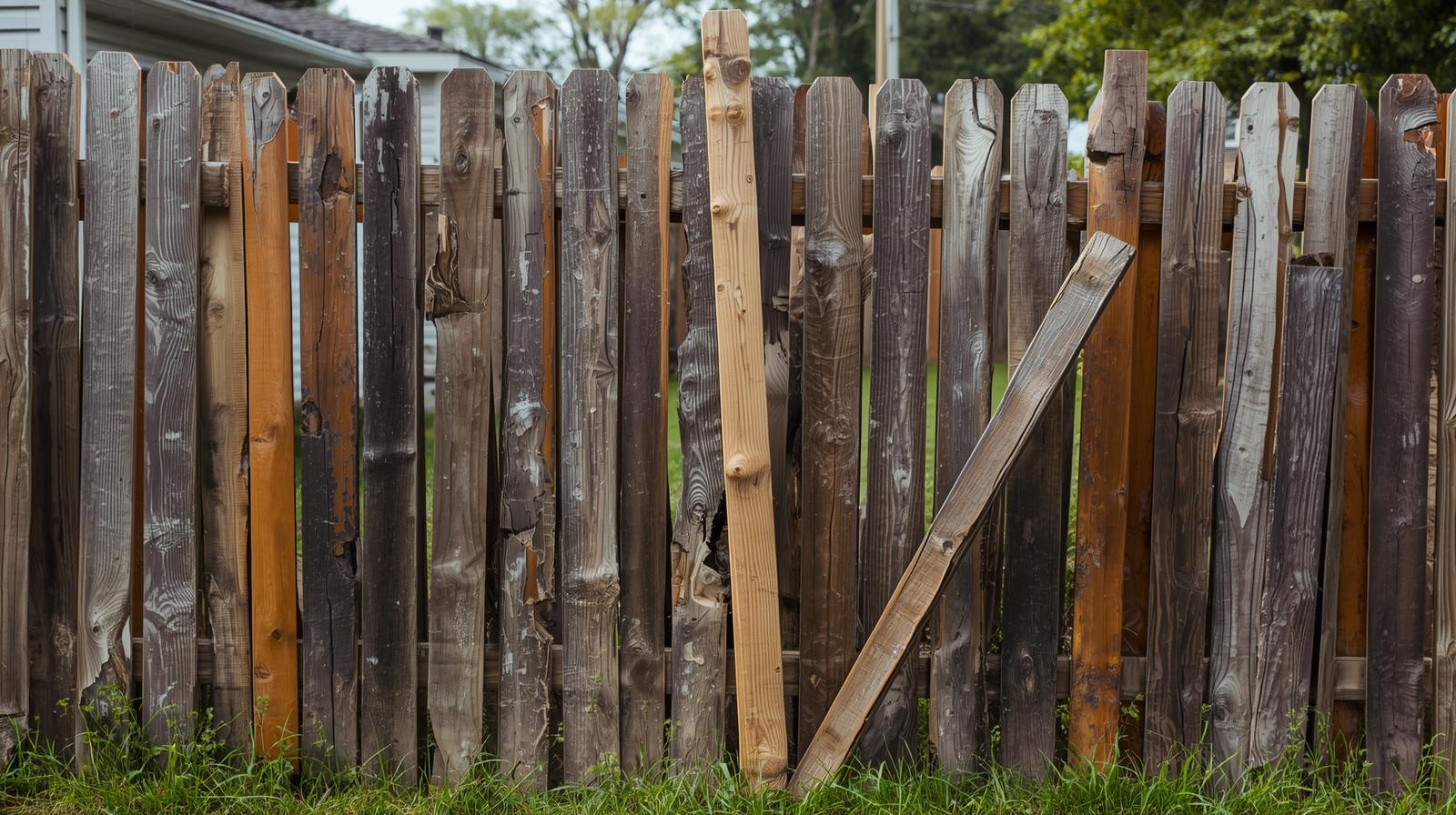
Rockford homeowners and commercial property managers know one thing for certain: Midwest winds are no joke. Between spring storm systems, summer thunderstorms, and winter gust fronts, fences across northern Illinois and southern Wisconsin take a beating year-round.
If you’ve noticed leaning posts, loose panels, or sections of fence that seem suddenly unstable, wind damage may already be at work.
At Arrow Fence, we provide professional fence installation and repair throughout Rockford and surrounding Illinois and Wisconsin communities. In this guide, we’ll explain common wind damage patterns, why they happen, and how professional fence repair differs from temporary patch jobs.
Why Rockford Fences Are Vulnerable to Wind Damage
Rockford sits in a region exposed to:
Open plains wind patterns
Sudden gust fronts during thunderstorms
Freeze–thaw soil shifts
Clay-heavy soil that expands and contracts
These environmental factors create stress at fence posts, panels, gates, and corner assemblies. Over time—or during one strong storm—failure can occur.
Understanding damage patterns helps property owners know when to repair and when to replace.
Common Wind Damage Patterns in Rockford Fences
1. Leaning or Tilted Fence Posts
What it looks like:
Entire fence line leaning in one direction
Individual posts shifting out of alignment
Gates that no longer close properly
Why it happens:
Posts set too shallow (above frost line)
Inadequate concrete footing
Soil saturation weakening the base
This is one of the most common signs of improper installation. Once the structural base fails, panels follow.
2. Panel Blowouts
What it looks like:
Entire fence sections detached from posts
Privacy panels blown flat
Broken rails between posts
Why it happens:
Solid-panel fences act like sails
Poor-quality fasteners
Inadequate post spacing
Privacy fences without wind relief or proper reinforcement are especially vulnerable during 50+ mph gusts.
3. Gate Sagging or Hardware Failure
What it looks like:
Gate dragging on the ground
Hinges pulling away from posts
Latch misalignment
Why it happens:
Wind stress concentrates at openings
Insufficient bracing
Posts not reinforced for gate weight
Gates are structural weak points. Professional installers plan for additional reinforcement in these areas.
4. Uplift & Frost-Heave Combined Failures
What it looks like:
Posts lifted partially from the ground
Fence line uneven after winter
Sections separating at ground level
Why it happens:
Posts not set below 36–42 inches
Water intrusion around footing
Freeze–thaw cycles common in northern Illinois
Wind plus frost movement creates compounded structural stress.
5. Rot Accelerated by Wind Exposure (Wood Fences)
What it looks like:
Splintering boards
Cracked rails
Posts soft at ground line
Wind-driven rain repeatedly hitting the same surface accelerates wood deterioration—especially in fences that weren’t sealed or maintained properly.
Residential vs. Commercial Wind Damage
Residential Properties
Homeowners typically see:
Privacy fence panel failures
Leaning backyard fences
Gate misalignment
Damage near tree lines
These issues affect privacy, safety, and property value.
Commercial Properties
Commercial fence systems face:
Perimeter security breaches
Chain link tension loss
Ornamental steel panel stress
Liability concerns if fencing collapses
For businesses, wind damage isn’t just cosmetic—it’s a security risk.
The Professional Fence Repair & Replacement Process
When wind damage occurs, proper evaluation is critical. Here’s how a professional fence contractor approaches it:
Step 1: Full Structural Assessment
A qualified technician will:
Inspect all posts—not just damaged sections
Check concrete footing stability
Evaluate soil integrity
Examine hardware and fasteners
Test gate functionality
Partial repairs without checking the full system often lead to repeat failures.
Step 2: Determine Repair vs. Replacement
Not every fence needs full replacement. However, replacement may be recommended if:
Over 30–40% of posts are compromised
Posts were installed improperly
Wood rot is widespread
Fence has exceeded its useful lifespan
A transparent contractor will explain long-term cost comparisons—not just immediate pricing.
Step 3: Reinforced Reinstallation (If Needed)
When replacing or rebuilding, professionals will:
Install posts below frost line
Use larger-diameter posts where wind exposure is high
Space posts appropriately for material type
Upgrade hardware to corrosion-resistant fasteners
Reinforce gates with cross-bracing
These improvements directly reduce future wind vulnerability.
What Professionals Do Differently
Wind damage often exposes shortcuts from the original installation. Here’s how professional fence contractors prevent repeat failures.
What Professionals Do Differently
1. They Install Below the Frost Line
Northern Illinois requires deep post setting to prevent shifting.
2. They Account for Wind Load
Privacy fences may require tighter spacing or stronger posts.
3. They Reinforce Stress Points
Corners and gates receive extra structural support.
4. They Use Commercial-Grade Fasteners
Cheaper nails and brackets fail under stress.
5. They Evaluate Drainage Conditions
Standing water weakens post foundations.
6. They Provide Written Workmanship Guarantees
Professional repairs are built to last—not just to survive the next storm.
Common Misconceptions About Wind Damage
“It’s Just One Loose Section.”
Often, visible damage is just the symptom. Underlying post instability may affect the entire fence line.
“I Can Just Add More Screws.”
Fasteners won’t fix a compromised foundation. Structural integrity begins underground.
“If It’s Still Standing, It’s Fine.”
Leaning fences may remain upright temporarily but fail during the next gust.
“Insurance Will Cover Everything.”
Insurance policies vary. Professional documentation and inspection reports can support claims—but preventative maintenance reduces risk altogether.
Preventative Measures for Rockford Property Owners
While no fence is storm-proof, you can reduce risk by:
Scheduling periodic inspections
Sealing and maintaining wood fences
Ensuring proper drainage around posts
Trimming nearby tree branches
Addressing small shifts early
Proactive repairs cost significantly less than full replacements after collapse.
Long-Term Durability in Midwest Wind Conditions
The key to wind-resistant fencing in Illinois and Wisconsin is proper installation:
Deep-set posts
Quality concrete footings
Correct spacing
Reinforced gates
Materials suited for regional climate
A professionally installed fence is engineered for the Midwest—not just assembled.
Why Local Expertise Matters
Rockford wind patterns, soil composition, and freeze–thaw cycles are unique to northern Illinois. Hiring a contractor unfamiliar with local conditions increases risk of repeat failure.
Arrow Fence understands:
Rockford’s soil conditions
Illinois and Wisconsin code requirements
Commercial liability considerations
Material performance in Midwest climates
Our team designs installations built to withstand regional wind stress.
Protect Your Property Before the Next Storm
If your fence is leaning, damaged, or showing signs of wind stress, don’t wait for the next storm to cause total failure.
Professional fence repair or replacement restores:
Security
Privacy
Curb appeal
Liability protection
Long-term structural reliability
Contact Arrow Fence today for a comprehensive wind damage evaluation in Rockford and surrounding Illinois and Wisconsin communities.
We’ll provide honest recommendations, transparent pricing, and professional workmanship built to handle Midwest weather.
