
Wood Fence Ideas in Belvidere, IL for Privacy and Curb Appeal
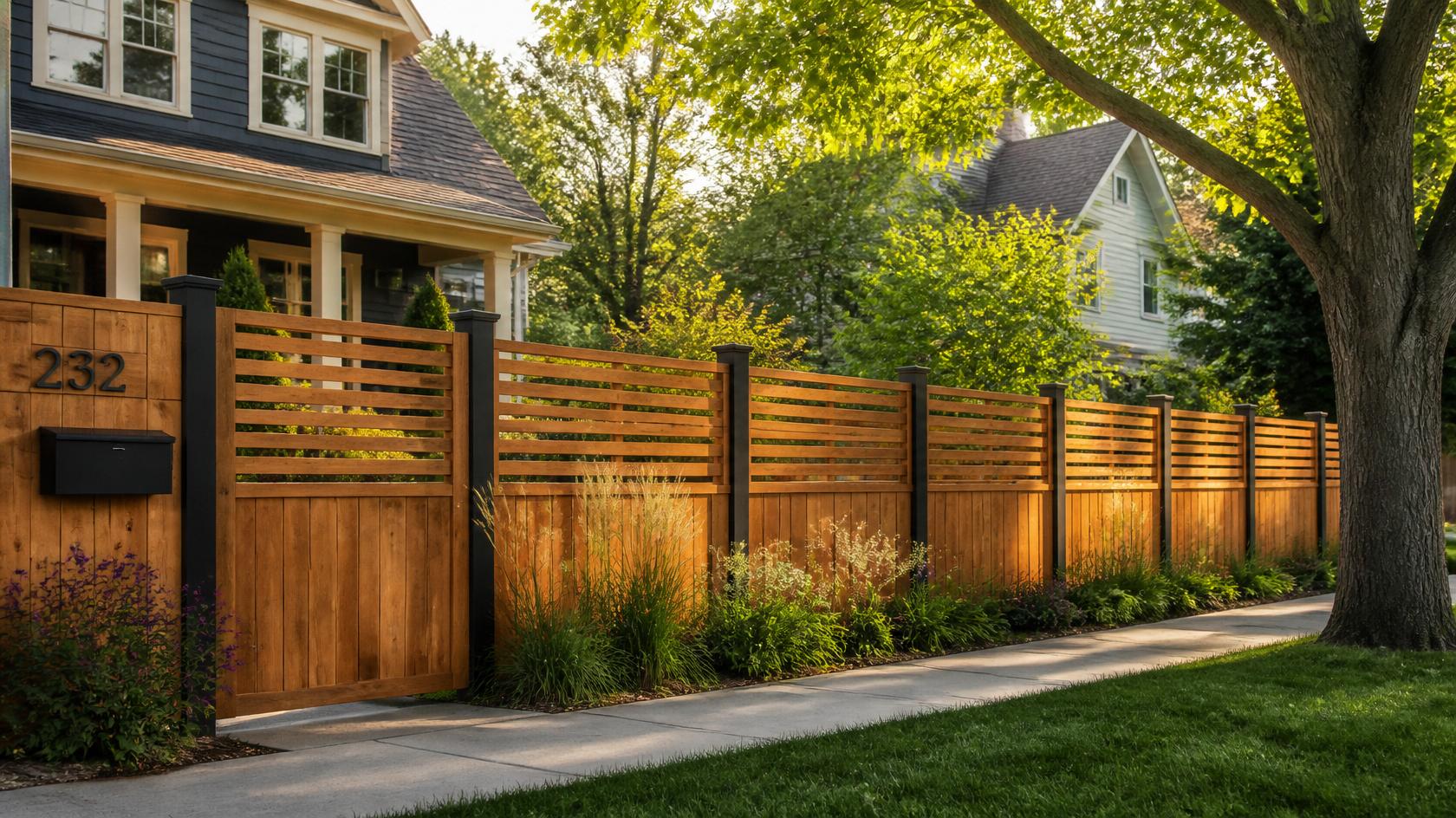
A wood fence can give a Belvidere home more privacy while adding warmth, character, and definition to the yard. The best design depends on how much screening you need, your home’s style, pet and gate requirements, and how much maintenance you are comfortable handling.
Why Wood Fencing Works Well for Belvidere Homes
Wood fencing remains a popular choice for suburban properties because it provides privacy without making a backyard feel overly plain or industrial. It can be customized in height, board direction, stain color, post style, and gate design.
For homeowners in Belvidere, a wood fence can solve several common concerns at once. It can screen nearby patios, create a safer place for children and pets, define property lines, and improve the overall appearance of the home.
Unlike prefabricated fencing with limited style options, wood can be adapted to traditional homes, newer subdivisions, rural-edge properties, and yards with unusual layouts.
Classic Solid Wood Privacy Fencing
A traditional solid-board fence is one of the most practical choices for homeowners who want dependable backyard privacy.
Vertical boards are installed closely together to limit visibility from neighboring properties and nearby streets. This style works especially well around patios, decks, pools, play areas, and outdoor dining spaces.
Solid wood fencing can also help reduce distractions for dogs that bark at people, animals, or traffic beyond the yard.
Because solid panels catch more wind than open fencing, strong posts and proper installation are especially important in northern Illinois.
Board-on-Board Fence Designs
Board-on-board fencing uses overlapping vertical boards to create a fuller and more finished appearance.
As wood naturally expands and contracts during changing weather, small spaces may develop between standard fence boards. The overlapping design helps prevent those gaps from reducing privacy.
This style is a strong option for Belvidere homeowners who want:
Consistent visual screening
A traditional residential appearance
Better coverage as boards age
A sturdy fence for pets and children
A finished look from inside the yard
Board-on-board fencing usually requires more material than a basic privacy fence, but the added coverage can improve long-term satisfaction.
Shadowbox Fencing for Privacy and Airflow
A shadowbox fence alternates boards on opposite sides of the rails. It offers partial privacy while allowing more air to move through the fence.
This design can be useful in open areas where strong winds are common. It is not fully private when viewed at an angle, but it creates more screening than a picket or ornamental fence.
Shadowbox fencing also looks finished from both sides. That can be helpful along shared property lines where homeowners want an attractive appearance facing both yards.
Horizontal Wood Fence Ideas
Horizontal wood fencing gives a backyard a clean, modern style. Boards run across the fence instead of vertically, creating long visual lines that can make a smaller yard appear wider.
This design often works well with:
Modern home exteriors
Updated patios and decks
Contemporary landscaping
Dark exterior siding
Simple, low-maintenance garden layouts
Horizontal fences need strong framing because long boards can sag or warp if they are not properly supported. Using quality materials and correct post spacing helps the fence remain straight through rain, heat, snow, and temperature changes.
Decorative Wood Fence Tops
Homeowners can improve curb appeal by changing the top profile of a standard privacy fence.
Popular options include:
Straight-top boards
Scalloped panels
Arched sections
Decorative lattice
Stepped panels on sloped yards
Finished post caps
A simple decorative feature can make a fence feel more connected to the architecture of the home.
Lattice can also add height and partial screening without making the entire structure feel completely closed. However, decorative pieces should still be built securely enough to withstand wind, snow, and ice.
Combining Privacy and Open Fence Sections
Not every part of a property needs full privacy. Mixing fence styles can make the yard feel more open while still protecting important areas.
A Belvidere homeowner might use:
Full-height wood panels around the patio
Shorter fencing near the front yard
Picket sections around a garden
Aluminum fencing near a landscaped entrance
Chain link in a less visible pet area
Decorative gates between different yard zones
This approach can reduce material costs and avoid blocking views where privacy is not necessary.
Choosing a Wood Fence Color
Wood can be left natural, stained, or painted, although stain is often easier to maintain than paint.
Natural and semi-transparent stains highlight the grain of the wood. Darker stains create a bold contrast against light-colored homes, while lighter tones work well with brick, stone, and neutral siding.
When choosing a finish, consider the color of the home’s:
Siding
Roof
Deck
Trim
Shed
Outdoor furniture
Landscaping features
A coordinated fence can improve curb appeal without becoming the main visual focus of the property.
Planning a Fence for Pets and Children
A privacy fence can create a safer backyard, but the design should match the needs of the family.
For dogs, check for spaces under the fence, openings beside gates, and areas where digging may become a problem. Large or energetic dogs may need reinforced boards and stronger gate hardware.
Helpful pet-friendly features include:
Minimal gaps between boards
Secure latches
Self-closing gates
Reinforced lower rails
Dig barriers where needed
Smooth interior surfaces
For homes with children, gates should close reliably and be positioned away from driveways or busy streets when possible.
Gate Ideas for Wood Fences
A gate should match the fence visually while providing reliable access.
A standard walk gate works well between a driveway and backyard. A wider double gate may be useful for riding mowers, trailers, landscaping equipment, or future construction projects.
Before selecting the gate location, consider:
Sidewalk and driveway access
Air-conditioning units
Utility meters
Drainage paths
Patio placement
Mowing patterns
Future sheds or outdoor structures
Heavy wood gates can sag over time if they are not properly framed. Strong hinges, diagonal bracing, and secure posts help keep the gate aligned.
Wood Fence Options for Sloped Yards
Some properties have uneven ground or gradual elevation changes.
A stepped fence uses level panels installed at different heights. A racked fence follows the slope more closely, reducing spaces below the boards.
The right method depends on the degree of the slope, the desired appearance, and whether pets need to stay safely enclosed.
Grading should also be considered before installation. Water should not collect around fence posts or wash soil away from the base.
Comparing Wood With Other Fence Materials
Wood Fencing
Wood offers natural character, strong privacy, and many design choices. It can be repaired board by board, but it requires staining, sealing, and regular inspections.
Vinyl Fencing
Vinyl provides full privacy with less routine maintenance. It does not need staining, although damaged panels may be more difficult to repair individually.
Chain Link Fencing
Chain link is affordable, durable, and useful for pet areas. Privacy slats or screens can improve coverage, but they may increase the amount of wind pressure placed on the fence.
Aluminum and Ornamental Fencing
Aluminum and ornamental fencing improve curb appeal while preserving open views. They work well near front yards, gardens, and decorative entrances, but they do not provide the same privacy as solid wood.
Protecting a Wood Fence From Midwest Weather
Belvidere fences must handle rain, snow, ice, strong winds, humidity, and repeated freeze-thaw cycles.
Moisture is one of the biggest concerns for wood. Leaves, mulch, and soil should not remain piled against the boards because they can trap water and contribute to rot.
Seasonal maintenance should include:
Inspecting posts for movement
Looking for cracked or warped boards
Tightening hinges and latches
Cleaning dirt and mildew
Checking for peeling stain
Removing vegetation from the fence line
Inspecting the fence after severe storms
Clearing heavy snow without striking the boards
Wood should be sealed or stained as needed based on the product used, sun exposure, and the condition of the surface.
Repairing Versus Replacing a Wood Fence
Not every damaged fence needs full replacement.
A few loose boards, a worn latch, or one damaged post may be repairable. However, widespread rot, repeated leaning, multiple failed posts, or extensive storm damage may make replacement more practical.
A fence professional can inspect the structure and determine whether repairs will provide lasting value.
Creating Long-Term Value With the Right Design
A wood fence is most valuable when it fits the layout and daily use of the property.
Consider privacy, pets, children, maintenance, drainage, gates, landscaping, and future backyard improvements before selecting a design. Planning these details early can prevent awkward gate placement, blocked access, or unnecessary repairs later.
Request a Free Wood Fence Estimate
Arrow Fence helps homeowners in Belvidere and nearby communities plan wood fencing for privacy, safety, backyard use, and curb appeal.
Whether you are considering a traditional privacy fence, board-on-board design, horizontal boards, decorative accents, pet fencing, or a new gate, Arrow Fence can help you compare options for your property.
Contact Arrow Fence at arrowfencerockford.com to request a free estimate for your wood fence installation, repair, or replacement project.
