
Wood Fence Ideas in Davis Junction, IL for Rural Homes
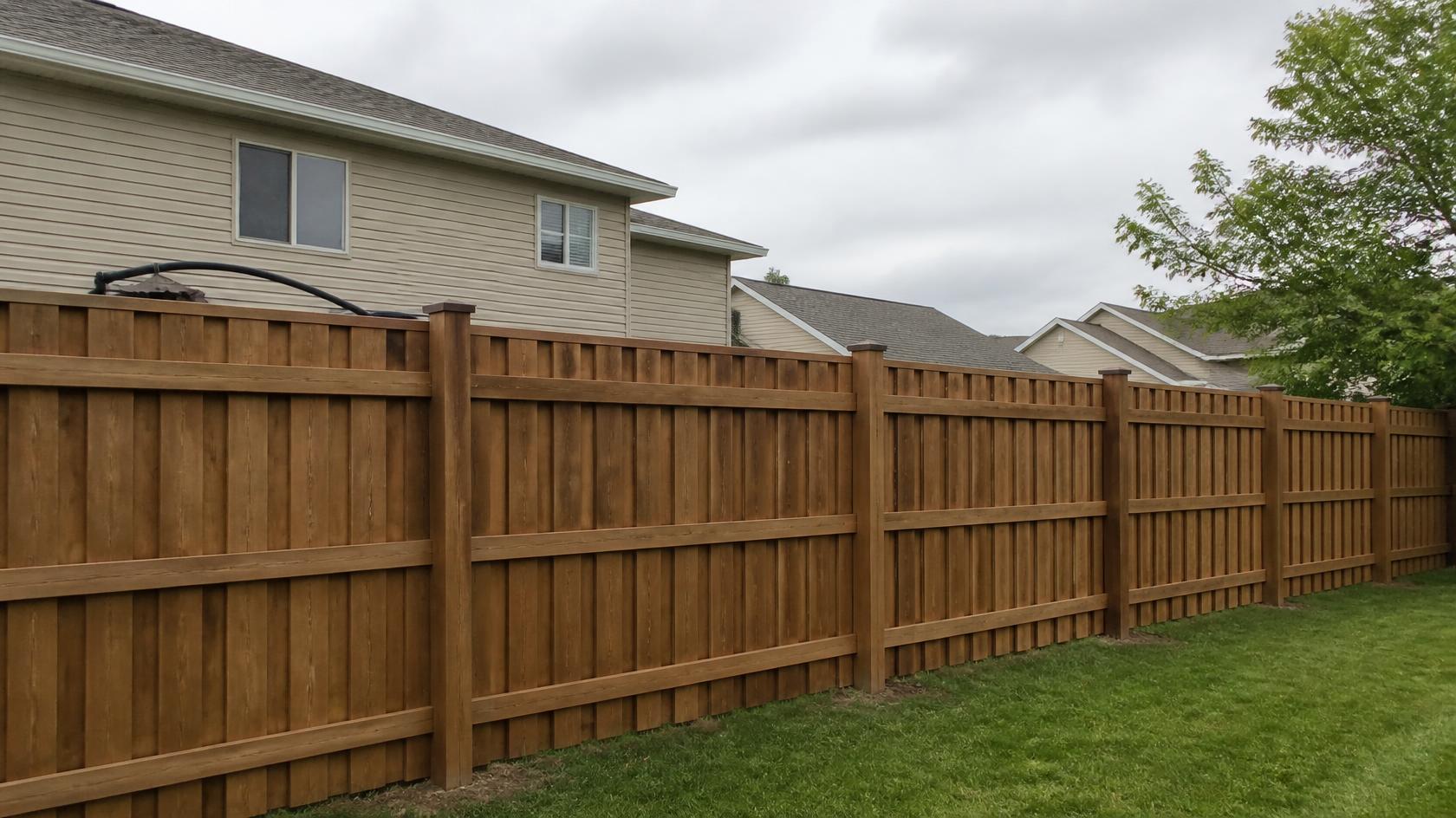
Wood fencing can be a strong fit for Davis Junction homeowners who want privacy, natural curb appeal, pet containment, and a fence style that complements larger rural properties. Solid-board, board-on-board, shadowbox, horizontal, and mixed-material layouts can all work well when the design considers open views, wide gates, drainage, maintenance, and northern Illinois weather.
Why Wood Fencing Works Well on Rural Properties
Rural homes often have different fencing needs than smaller suburban lots.
A homeowner may want privacy close to the house while keeping distant sections of the property open. Larger yards may also need wider access for mowers, trailers, landscaping equipment, or utility vehicles.
Wood can work well because it offers:
Strong privacy
Natural appearance
Flexible design options
Custom stain colors
Easy integration with landscaping
Practical pet containment
Decorative value near the home
Instead of using one tall wood fence around the entire property, many rural layouts work better when privacy fencing is concentrated around the most frequently used areas.
Solid Wood Privacy Fencing Near the Home
Solid vertical-board fencing is a practical choice around patios, decks, and other spaces close to the house.
Closely spaced boards can help screen:
Neighboring homes
Nearby roads
Outdoor gathering areas
Pet spaces
Utility sections
Side yards
This type of fence can create a more sheltered outdoor living area while allowing the rest of the property to remain visually open.
Wood also blends naturally with trees, gardens, sheds, decks, and rural landscaping.
Board-on-Board Fencing for Stronger Screening
Board-on-board fencing uses overlapping vertical boards.
Because wood naturally expands and contracts as moisture and temperatures change, small gaps can develop between standard boards.
The overlapping design helps reduce those sightlines.
This style can work particularly well around:
Patios
Road-facing sections
Neighboring properties
Pet areas
Outdoor dining spaces
It uses more lumber than a basic vertical fence, so homeowners may prefer to use it only where strong privacy is most important.
Shadowbox Fencing for More Airflow
Open rural properties may experience more direct wind than tightly developed neighborhoods.
Shadowbox fencing can provide partial privacy while allowing more airflow through the fence.
Boards alternate on opposite sides of the rails, creating a finished appearance from both directions.
This style may work well along:
Shared boundaries
Side yards
Garden areas
Wind-exposed sections
The tradeoff is that shadowbox fencing does not provide full visual privacy from every angle.
Horizontal Wood for Outdoor Living Areas
Horizontal wood fencing can create a cleaner, more contemporary look near patios and landscaped areas.
It works well around:
Outdoor kitchens
Fire pits
Hot tubs
Decks
Seating areas
Modern landscaping
Horizontal panels do not need to surround the entire yard.
A few strategically placed sections can create privacy where it matters without blocking wider views across the property.
Strong framing is important because longer horizontal boards need enough support to reduce bowing or sagging.
Use Targeted Privacy Instead of Full Perimeter Fencing
Large rural properties often do not need solid wood privacy fencing along every boundary.
Targeted panels may be more practical near:
The house
Patios
Neighboring sightlines
Roads
Pet areas
Utility spaces
This can preserve views of open land while reducing the amount of wood that needs regular maintenance.
It can also keep the property from feeling overly enclosed.
Wood Fencing for Dogs
Solid wood can be especially useful for dogs that react to outside activity.
The fence can block views of:
Wildlife
Passing vehicles
Neighboring pets
Road activity
Pedestrians
A pet-friendly wood fence should also consider:
Appropriate height
Minimal ground gaps
Strong gate latches
Stable posts
Dig-resistant features when needed
Homeowners should inspect lower fence sections after heavy rain or snowmelt because erosion can create new gaps.
Create a Smaller Dog Enclosure
On a larger property, fencing the entire lot for pets may not be necessary.
A dedicated dog area near the home can provide:
Easier supervision
Shorter fence lines
More convenient access
Easier maintenance
Separation from gardens or equipment areas
Wood privacy fencing can create a more sheltered enclosure, while chain link can be used where open visibility is preferred.
Plan Wide Gates for Rural Access
Gate planning is especially important on larger properties.
A standard walk gate may handle everyday access, but wider openings may be needed for:
Riding mowers
Trailers
Utility vehicles
Landscaping equipment
Construction materials
Future sheds or outdoor projects
Measure the widest equipment before choosing gate dimensions.
Wide wood gates can be heavy, so strong posts, proper bracing, and dependable hinges are especially important.
Keep Driveway Sightlines Open
Tall privacy fencing should be placed carefully near driveways and road entrances.
Solid panels may block important views of approaching vehicles, bicycles, or pedestrians if placed too close to the entrance.
Open fencing may work better near:
Driveways
Front property lines
Road-facing corners
Areas where visibility matters
Before installation, homeowners should also confirm property boundaries, easements, underground utilities, and applicable local fence requirements.
Use Mixed Materials for Larger Boundaries
Wood does not have to be used everywhere.
A Davis Junction property may benefit from a mixed layout such as:
Wood privacy fencing near the house
Chain link around a dog area
Aluminum near landscaped areas
Open fencing along distant boundaries
This approach can balance privacy, maintenance, appearance, and project cost.
It also lets homeowners use wood where its natural look has the greatest visual impact.
Choose a Wood Finish That Fits the Property
Wood fencing can be customized through stain and finish.
Options may include:
Clear finishes
Light natural stains
Medium brown tones
Darker stains
Semi-transparent finishes
Solid-color stains
Natural stains can blend well with open landscapes and mature trees.
Darker finishes can create more contrast near lighter siding, decks, or landscaping.
The finish should coordinate with:
Siding
Roofing
Trim
Porches
Decks
Sheds
Landscaping
Use Wood as a Landscaping Backdrop
Wood fencing can frame landscaping close to the home.
It works well behind:
Flower beds
Ornamental grasses
Shrubs
Raised gardens
Outdoor lighting
Patio furniture
Leave enough clearance between plants and the fence for airflow, mowing, staining, and repairs.
Dense shrubs should not remain pressed against the boards because they can trap moisture and make inspections more difficult.
Plan Around Slopes
Rural properties often include more noticeable changes in elevation.
Depending on the layout, wood fencing may be:
Stepped in level sections
Installed to follow the grade more closely
The goal is to create a consistent appearance while avoiding excessive ground gaps.
Pet owners should pay special attention to low areas where gaps may become escape points.
Protect Natural Drainage
Larger yards often have natural drainage routes that should remain functional.
Heavy rain and snowmelt can:
Erode soil around posts
Create gaps beneath fencing
Affect gate alignment
Expose footings
Keep lower boards wet
Fence placement should work with the natural movement of water rather than blocking it unnecessarily.
Avoid piling soil, mulch, wet leaves, or debris against the bottom of the fence.
Understand Wood Fence Maintenance
Wood generally requires more ongoing care than vinyl, chain link, or aluminum.
Homeowners should periodically inspect for:
Loose boards
Rot
Cracks
Splinters
Worn finishes
Gate alignment
Unstable posts
Staining or sealing can help protect the wood from moisture and sun exposure.
Small repairs are usually easier to handle when they are caught early.
Prepare Wood Fencing for Davis Junction Weather
Wood fencing in Davis Junction needs to handle northern Illinois wind, rain, snow, ice, storms, and repeated freeze-thaw cycles.
Open rural properties may also expose fence sections to stronger winds.
Homeowners should periodically:
Check posts after storms
Inspect boards and rails
Test gates and latches
Watch for erosion
Remove debris from fence bases
Trim nearby branches
Maintain protective finishes
Clear heavy snow carefully
Seasonal inspections can help preserve both the appearance and stability of the fence.
Repair or Replace an Older Wood Fence?
One advantage of wood fencing is that individual components can often be repaired.
Common repairs include:
Replacing damaged boards
Repairing rails
Adjusting gates
Replacing hardware
Stabilizing individual posts
Replacement may make more sense when multiple posts are failing, rot affects several sections, or the existing fence no longer fits the property’s needs.
A new layout can also improve privacy, gate access, pet containment, and how the yard is used.
Request a Free Wood Fence Estimate
Arrow Fence helps Davis Junction homeowners plan wood fencing for rural homes, privacy, pets, outdoor living, larger yards, and practical access.
Whether you are considering solid privacy fencing, board-on-board panels, shadowbox fencing, horizontal wood, fence repair, replacement, or wider gates, Arrow Fence can help you compare practical options for your property.
Contact Arrow Fence at arrowfencerockford.com to request a free estimate for your wood fence project.
