
Wood Fence Ideas in Edgerton, WI for Privacy and Style
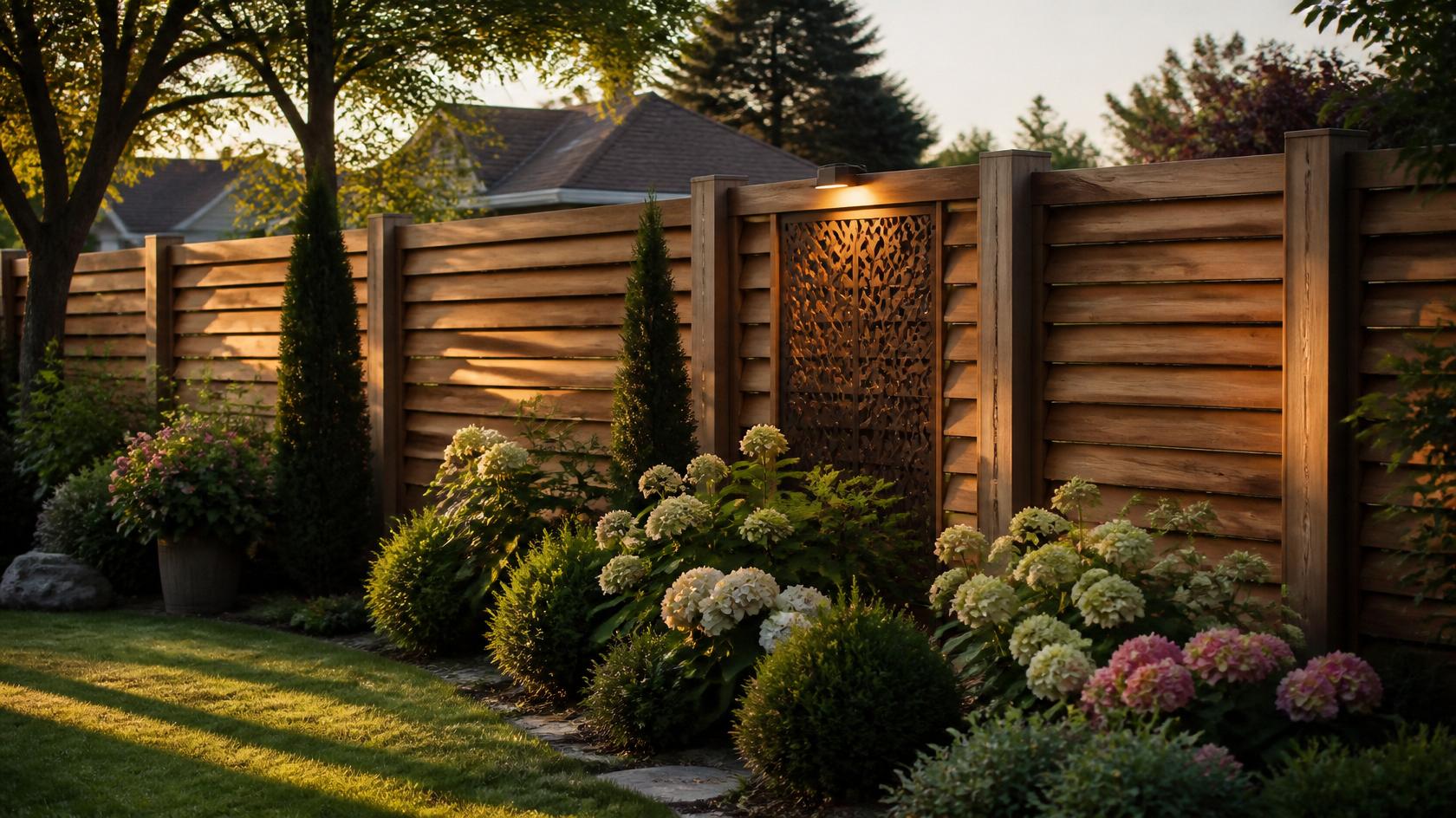
Wood fencing gives Edgerton homeowners a flexible way to improve backyard privacy, pet safety, and curb appeal. Solid privacy panels, board-on-board designs, horizontal fencing, and decorative accents can all work well when the fence is planned for Wisconsin weather and regular maintenance.
Why Wood Fencing Fits Edgerton Homes
Wood fencing remains a practical choice for homeowners who want privacy without giving the yard a manufactured or overly uniform appearance. Its natural texture works with many home styles, including traditional houses, newer subdivisions, rural-edge properties, and homes with established landscaping.
A wood fence can also be adjusted to fit the exact needs of the property. Homeowners can choose the height, board direction, top profile, stain color, post design, and gate location.
For homes in Edgerton, a well-planned wood fence may help:
Screen neighboring patios or windows
Create a safer area for children and pets
Add separation from sidewalks or roads
Define gardens and outdoor living spaces
Improve the appearance of the backyard
Make patios and decks feel more private
The best design should balance privacy, airflow, maintenance, access, and long-term durability.
Traditional Solid Wood Privacy Fencing
A solid vertical-board fence is one of the most familiar options for backyard privacy.
The boards are placed closely together to limit views through the fence. This style works well around patios, decks, play areas, pools, and yards with nearby neighboring homes.
Solid wood fencing can also help dogs remain calmer by blocking views of pedestrians, vehicles, and other animals.
Because the panels restrict airflow, they experience more pressure during strong winds. Proper post depth, secure rails, and stable footings are especially important on open or exposed properties.
A straight-top design creates a simple appearance, while decorative tops and post caps can add more character.
Board-on-Board Fencing for Consistent Privacy
Board-on-board fencing uses overlapping vertical boards rather than placing each board directly beside the next.
Wood naturally expands and contracts as temperatures and moisture levels change. Small gaps may eventually appear in standard privacy fencing. The overlapping design helps maintain coverage even as the boards move.
This style is useful for homeowners who want:
Strong screening between neighboring yards
Fewer visible gaps over time
A sturdy residential appearance
Privacy around patios or outdoor seating
A secure enclosure for children and pets
Board-on-board fencing requires more lumber than a basic vertical fence, which can increase the initial cost. However, the fuller appearance and dependable screening may provide better long-term satisfaction.
Shadowbox Fencing for Privacy and Airflow
A shadowbox fence alternates boards on opposite sides of the rails. It offers partial privacy while allowing more light and air to pass through.
This design can be helpful on properties with greater wind exposure. It also creates a finished appearance on both sides of the fence, making it a good option along shared property lines.
Shadowbox fencing is not completely private when viewed from an angle. Before choosing it, homeowners should consider neighboring decks, raised patios, second-story windows, and changes in ground elevation.
It works best for people who want separation without making the backyard feel completely enclosed.
Horizontal Wood Fencing for a Modern Look
Horizontal wood fencing offers a cleaner and more contemporary appearance than traditional vertical boards.
The long lines may make a smaller or narrow yard appear wider. This style often complements modern siding, updated patios, simple landscaping, and outdoor entertainment areas.
Horizontal fencing requires careful framing. Long boards may sag, bow, or warp if the support posts and rails are spaced too far apart.
Homeowners should also consider how the fence will follow slopes or uneven ground. A professional layout helps prevent awkward gaps and keeps the finished lines visually balanced.
Decorative Wood Fence Tops
Small design details can make a privacy fence feel more connected to the home and landscaping.
Popular decorative options include:
Lattice-top panels
Arched sections
Scalloped fence lines
Decorative post caps
Framed panels
Top trim boards
Alternating board widths
Lattice tops allow more light and airflow through the upper section while maintaining privacy below. Arched or scalloped panels can soften the look of tall fencing around patios and gardens.
Decorative elements should still be secured properly for Edgerton’s wind, snow, and ice conditions.
Wood Picket Fencing for Open Areas
Not every part of the yard requires full privacy.
Wood picket fencing can define gardens, front yards, and walkways without blocking the view. It offers a traditional appearance and can be painted or stained to coordinate with the house.
A mixed layout might include:
Solid privacy fencing behind the home
Picket fencing near the front yard
A decorative gate along the driveway
Short fencing around a garden
Open sections near landscaping
Picket spacing should be selected carefully when small pets or young children use the yard.
Choosing the Right Wood Fence Stain
The finish affects both the appearance and protection of a wood fence.
Clear and semi-transparent stains allow the natural grain to remain visible. Medium brown tones create a traditional look, while darker stains can provide contrast against light siding.
Lighter finishes may work well with brick, stone, beige exteriors, and natural landscaping.
Before choosing a stain, compare it with the home’s:
Siding
Roof
Trim
Deck
Porch
Shed
Outdoor furniture
Samples should be viewed outside because sunlight and shade can change how the color appears.
Stain is often easier to maintain than paint because it is less likely to peel. Paint offers more color options but may require additional scraping and preparation when refinishing.
Privacy Fence Ideas for Small Backyards
A tall wood fence can improve privacy in a small yard, but too much solid fencing may make the area feel restricted.
Horizontal boards can create the impression of more width. Lighter stains may brighten shaded spaces, while lattice tops allow additional light into the yard.
Another option is to install full-height fencing only where screening is needed most, such as:
Beside a patio
Along one shared lot line
Near a neighboring window
Around a hot tub
Beside an outdoor dining area
Shorter or more open fencing can be used elsewhere to keep the yard feeling spacious.
Wood Fencing for Families
A family-friendly fence should create a clear boundary while remaining safe and easy to use.
Helpful features include:
Smooth boards
Covered or properly set fasteners
Reliable gate latches
Stable posts
Minimal ground gaps
Gates positioned away from traffic
Clear space around play equipment
Parents should inspect the fence periodically for splinters, loose boards, protruding nails, and sagging gates.
If a pool is present, the fence height, gate direction, latch placement, and spacing must meet applicable safety requirements.
Pet-Friendly Wood Fence Designs
Wood privacy fencing is often a strong option for dogs because solid panels reduce outside views and distractions.
The design should match the animal’s size, behavior, and activity level.
Small Pets
Small dogs need limited openings below the fence and around gates. Sloped ground and transitions near the house should be checked carefully.
Large Dogs
Larger dogs may need taller panels, reinforced lower rails, stronger posts, and heavy-duty gate hardware.
Dogs That Dig
Buried barriers, reinforced bottom sections, or landscaping along the fence line may help discourage digging.
Reactive Dogs
Solid fencing can block views of nearby animals, vehicles, and pedestrians, helping create a calmer backyard environment.
The fence line should be inspected regularly because erosion and loose soil can create new escape points.
Gate Placement and Yard Access
A well-placed gate makes mowing, maintenance, and everyday movement easier.
Many homes benefit from a walk gate between the driveway and backyard. A wider double gate may be useful for riding mowers, trailers, landscaping equipment, or future construction.
Gate locations should account for:
Driveways and sidewalks
Deck and patio entrances
Utility meters
Air-conditioning equipment
Garbage and recycling bins
Drainage paths
Lawn-care routes
Future sheds or pools
Wood gates can become heavy. Strong hinges, diagonal bracing, and stable posts help prevent sagging and latch problems.
Combining Wood With Other Fence Materials
Using wood along every property line may not be necessary.
Combining materials can improve function and help manage costs. A homeowner might use:
Wood privacy fencing around the patio
Chain link around a distant pet area
Aluminum near the front yard
Ornamental fencing around a garden
A decorative wood gate at a visible entrance
Transitions should be planned carefully so the finished design looks intentional rather than pieced together.
Comparing Wood With Other Fence Materials
Wood
Wood offers strong privacy, natural character, and extensive design flexibility. It requires staining, sealing, and periodic repairs.
Vinyl
Vinyl provides privacy with less routine maintenance. It does not rot or need painting, although matching damaged panels may sometimes be difficult.
Chain Link
Chain link is durable, affordable, and useful for pets or large yards. It provides limited visual screening unless privacy slats are added.
Aluminum
Aluminum creates an open, polished boundary and requires little maintenance. It works well near gardens, pools, and visible areas.
Ornamental Fencing
Ornamental fencing adds a traditional or decorative appearance but is better for property definition than full privacy.
Preparing Wood Fencing for Wisconsin Weather
Edgerton fences must handle rain, snow, ice, humidity, wind, storms, and repeated freeze-thaw cycles.
Moisture can cause wood to swell, crack, warp, or rot. Ground movement can also affect posts and gate alignment.
Seasonal maintenance should include:
Inspecting posts for movement
Checking boards for cracks or decay
Tightening hinges and latches
Cleaning dirt and mildew
Removing leaves from the fence base
Trimming nearby branches
Applying stain or sealant when needed
Inspecting after storms
Clearing snow carefully
Mulch, soil, and vegetation should not remain piled against the bottom boards because trapped moisture can shorten the life of the fence.
Repairing or Replacing an Older Wood Fence
Limited problems may only require targeted repairs.
Individual boards, hinges, latches, rails, and posts can often be replaced when the rest of the structure remains stable.
Replacement may be more practical when:
Several posts are leaning
Rot affects multiple sections
Boards repeatedly loosen
Gates no longer align
Storm damage is widespread
Previous repairs continue to fail
A professional inspection can help determine whether repair or replacement will provide better long-term value.
Request a Free Wood Fence Estimate
Arrow Fence helps homeowners in Edgerton and nearby communities plan wood fencing for privacy, pets, families, backyard style, and long-term use.
Whether you are considering solid privacy fencing, board-on-board panels, horizontal boards, decorative tops, repairs, replacement, or new gates, Arrow Fence can help you compare options for your property.
Contact Arrow Fence at arrowfencerockford.com to request a free estimate for your wood fence project.
