
Wood Fence Ideas in Orfordville, WI for Privacy and Curb Appeal
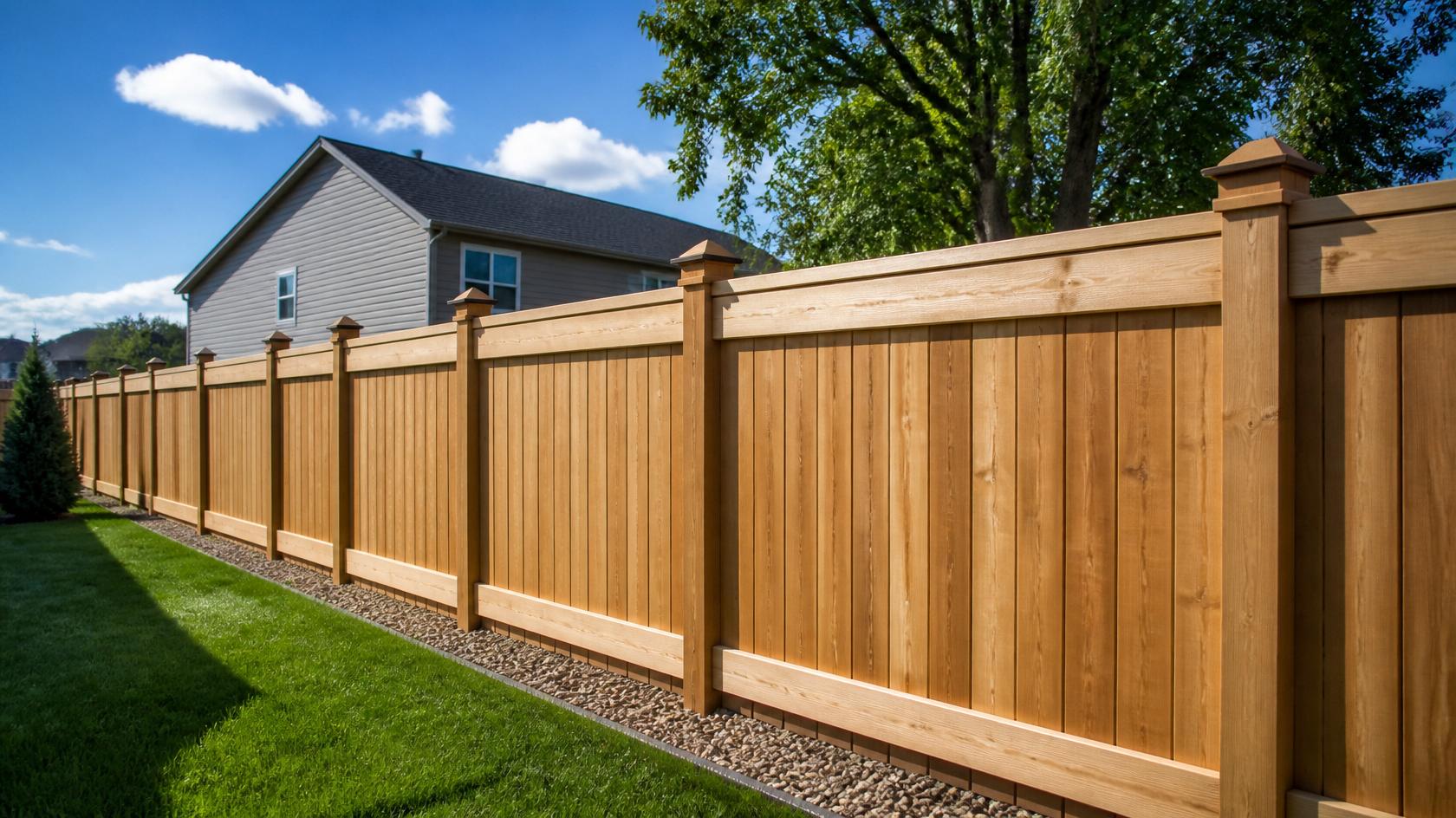
Wood fencing can give Orfordville homeowners the privacy they want while adding a warm, natural look to the property. Solid-board, board-on-board, shadowbox, horizontal, and decorative wood styles can all work well when the design is coordinated with the home, landscaping, pets, gates, drainage, and Wisconsin weather.
Why Wood Works Well for Privacy and Style
A fence can do much more than mark a boundary.
For many Orfordville homeowners, wood fencing can improve both the function and appearance of the yard by adding privacy, framing landscaping, and creating a more finished outdoor space.
Wood fencing can help:
Screen neighboring properties
Create private patios
Enclose pets
Define play areas
Add structure around gardens
Improve curb appeal
Separate utility spaces
Create clearer property boundaries
The best result usually comes from choosing a fence style that fits the home and the way the yard is used.
Solid Vertical-Board Privacy Fencing
Solid vertical-board fencing is one of the most practical wood options for homeowners who want strong screening.
Closely spaced boards can help block views from:
Neighboring homes
Shared property lines
Roads
Sidewalks
Patios
Outdoor gathering spaces
The classic vertical layout works well with many home styles and can be customized through different heights, stains, post caps, and top profiles.
Solid fencing also creates a strong backdrop for flower beds, shrubs, and outdoor furniture.
Because solid panels catch more wind than open fencing, stable posts and secure rails are important.
Board-on-Board Fencing for More Consistent Privacy
Board-on-board fencing uses overlapping boards.
This design can help maintain stronger screening as wood naturally expands and contracts with changes in moisture and temperature.
With standard vertical fencing, small gaps may develop between boards over time. The overlapping layout helps reduce those sightlines.
Board-on-board fencing can work especially well along:
Shared backyard boundaries
Neighboring patios
Road-facing yards
Outdoor dining areas
Pet spaces
It uses more lumber than a basic privacy fence but creates a substantial, finished appearance.
Horizontal Wood Fencing for a Cleaner Look
Horizontal fencing can give an Orfordville backyard a more contemporary appearance.
Long boards create clean lines that can complement:
Updated patios
Modern decks
Outdoor kitchens
Hot tubs
Fire pit areas
Simple landscaping
Horizontal fencing does not always need to surround the full yard.
A few carefully placed sections can provide privacy near a patio or neighboring sightline while keeping the rest of the property open.
Strong framing is important because longer boards need enough support to reduce sagging or bowing.
Shadowbox Fencing for Privacy With Airflow
Shadowbox fencing alternates boards on opposite sides of the rails.
This creates partial privacy while allowing more light and airflow.
It can be a good option for homeowners who want some screening without making the yard feel fully enclosed.
Shadowbox fencing also looks finished from both sides, making it attractive along shared property lines.
The tradeoff is that some visibility remains when the fence is viewed from an angle.
Add Decorative Tops for More Curb Appeal
Tall privacy fencing can sometimes feel visually heavy.
Decorative tops can add character while keeping most of the fence solid.
Options may include:
Lattice tops
Picket tops
Arched sections
Scalloped profiles
Decorative post caps
These details can help the fence coordinate with porches, decks, trim, and landscaping.
Open upper sections also allow additional light and airflow.
Use Targeted Privacy Panels
A full perimeter privacy fence is not always necessary.
Wood panels can be installed only where screening has the most value.
Useful locations include:
Patios
Decks
Hot tubs
Outdoor kitchens
Fire pits
Seating areas
This approach can preserve attractive views in other directions while creating a more comfortable outdoor living space.
It can also reduce the amount of wood fencing that needs ongoing maintenance.
Choose a Stain That Complements the Home
One of the biggest design advantages of wood is the range of finish options.
Homeowners may choose:
Clear finishes
Light natural stains
Medium brown stains
Dark wood tones
Semi-transparent stains
Solid-color stains
The fence should coordinate with the home’s exterior rather than compete with it.
Compare the finish with:
Siding
Brick
Stone
Roofing
Trim
Decks
Porches
Garages
Natural tones can blend well with landscaping, while darker stains can create a stronger contrast around lighter homes.
Use Wood as a Landscaping Backdrop
Wood fencing works naturally with gardens and planting areas.
It can provide an attractive background for:
Flower beds
Shrubs
Ornamental grasses
Raised gardens
Small trees
Outdoor lighting
Leave enough space between plants and the fence for airflow and maintenance.
Dense vegetation pressed against wood can trap moisture and make staining, inspections, or repairs more difficult.
Tree branches should also be trimmed before they begin rubbing against boards.
Wood Fence Ideas for Smaller Yards
Privacy is often important in smaller yards, but too much solid fencing can make the space feel tighter.
A balanced design might include:
Lighter stain colors
Horizontal boards
Decorative tops
Privacy panels only along important sightlines
Lower fencing near gardens
Sometimes screening one neighboring patio or shared boundary can make a big difference without enclosing every side.
Wood Fence Ideas for Larger Properties
Larger Orfordville yards may benefit from using wood only where privacy and appearance matter most.
A practical layout might include:
Wood privacy fencing near the house
Shadowbox fencing along a side yard
Chain link around a dog area
Aluminum near landscaping
Wide gates for equipment access
This approach can keep high-use areas attractive while reducing the amount of wood that requires regular maintenance.
Make the Fence Pet-Friendly
Solid wood fencing can be especially useful for dogs because it blocks outside views.
This may help reduce distractions from:
Pedestrians
Wildlife
Neighboring dogs
Vehicles
Road activity
Pet-friendly features should also include:
Appropriate fence height
Minimal ground gaps
Strong gate latches
Stable posts
Reinforced gates
Dig-resistant features when needed
Homeowners should check the lower fence line after heavy rain or snowmelt because erosion can create new gaps.
Plan Gates as Part of the Design
A gate should be functional without looking disconnected from the rest of the fence.
A walk gate may provide everyday backyard access.
Wider gates may be necessary for:
Riding mowers
Trailers
Landscaping equipment
Utility vehicles
Construction materials
Future outdoor projects
Wood gates can be heavy, so strong posts, dependable hinges, and proper bracing are important.
Planning the gate size and location before installation can also help the fence look more balanced.
Keep Fence Lines Visually Clean
Curb appeal depends partly on what happens around the fence.
Avoid letting:
Shrubs overgrow panels
Mulch pile against posts
Firewood lean against the fence
Equipment block gates
Branches rub against boards
Keeping the fence line accessible makes mowing, trimming, staining, cleaning, and repairs easier.
It also helps the fence maintain a cleaner, more intentional appearance.
Plan Around Slopes and Drainage
Uneven ground can affect both the appearance and function of a wood fence.
Depending on the yard, sections may be stepped or installed to follow the grade more closely.
Drainage is also important because heavy runoff can:
Erode soil around posts
Create gaps under the fence
Affect gate alignment
Keep lower boards wet
Avoid allowing soil, wet leaves, or mulch to remain piled against the bottom of the fence.
A properly planned fence should work with the natural drainage of the property.
Prepare Wood Fencing for Orfordville Weather
Wood fencing in Orfordville needs to handle Wisconsin wind, rain, snow, ice, storms, and repeated freeze-thaw cycles.
Changing moisture levels and temperatures can cause wood to expand, shrink, crack, or warp.
Homeowners should periodically:
Check posts for movement
Inspect boards for cracks or rot
Test gates and latches
Tighten loose hardware
Remove debris from fence bases
Watch for erosion
Trim nearby branches
Maintain protective finishes
Clear heavy snow carefully
Regular care can help preserve both the appearance and structure of the fence.
Repair or Replace an Older Wood Fence?
Wood fencing can often be repaired one component at a time.
Common repairs include:
Replacing damaged boards
Repairing rails
Adjusting gates
Replacing hinges or latches
Stabilizing individual posts
Replacement may make more sense when multiple posts are failing, rot affects several sections, or the existing fence no longer provides enough privacy.
A new fence can also improve gate placement, pet containment, and overall curb appeal.
Request a Free Wood Fence Estimate
Arrow Fence helps Orfordville homeowners plan wood fencing for privacy, curb appeal, pets, patios, gardens, and everyday outdoor living.
Whether you are considering solid privacy fencing, board-on-board panels, horizontal wood, shadowbox fencing, fence repair, replacement, or new gates, Arrow Fence can help you compare practical options for your property.
Contact Arrow Fence at arrowfencerockford.com to request a free estimate for your wood fence project.
