
Wood Fence Ideas in Rockton, IL: Privacy With a Natural Look
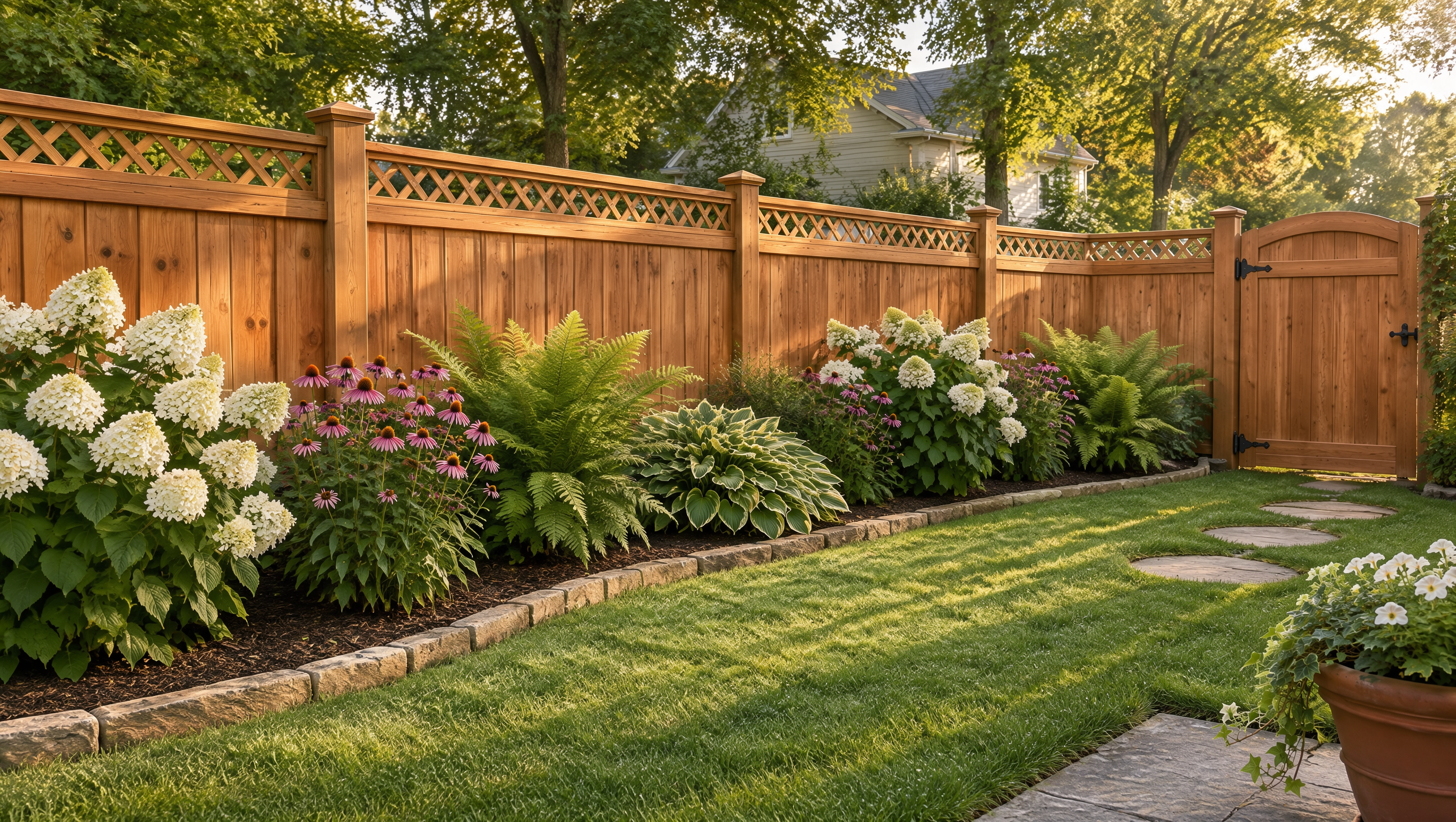
Wood fencing is a strong option for Rockton homeowners who want backyard privacy without losing a natural, residential look. Solid vertical, board-on-board, shadowbox, and horizontal wood styles can all provide different levels of screening, airflow, and visual character. The best choice depends on your yard, pets, maintenance preferences, and how much privacy you actually need.
Why Wood Works Well for Privacy
Wood has a warmer, more natural appearance than many other privacy materials.
It can blend well with:
Lawns
Mature trees
Garden beds
Patios
Traditional and modern homes
It also gives homeowners more flexibility in style, spacing, and layout.
For privacy projects, that flexibility can be especially useful because different parts of the yard may need different levels of screening.
Solid Vertical Wood for Straightforward Privacy
A traditional vertical wood fence uses closely spaced boards to create a solid visual barrier.
This style works well along:
Shared property lines
Backyard boundaries
Patios
Side yards
Its simple design makes it easy to pair with many types of landscaping.
Homeowners who want consistent screening without a complicated design often start here.
Board-on-Board for More Consistent Screening
Board-on-board fencing uses overlapping vertical boards.
This design helps reduce sightlines that can develop as wood naturally expands and contracts.
It can be a good fit for homeowners who want stronger privacy along:
Neighbor-facing sides
Outdoor living areas
Busy streets
Pet spaces
Because the boards overlap, the fence also has more visual depth than a basic solid vertical style.
Shadowbox for Privacy With Airflow
Shadowbox fencing alternates boards on opposite sides of the rails.
It provides partial privacy while allowing more:
Airflow
Light
Visual openness
This style can be useful when homeowners want separation without making the yard feel completely enclosed.
It does not provide full screening from every angle, so it works best when partial privacy is acceptable.
Horizontal Wood for a More Modern Look
Horizontal wood fencing can create a clean, contemporary appearance.
It works especially well near:
Patios
Outdoor seating areas
Modern landscaping
Smaller privacy zones
A horizontal section can also be used as a focal point rather than wrapping the entire yard.
Good framing and support are important because horizontal layouts distribute weight differently than traditional vertical fencing.
Target Privacy Where You Need It Most
A full wood privacy fence around every side of the property may not be necessary.
Consider where privacy matters most.
That may include:
A patio
A neighbor-facing boundary
A side yard
A hot tub or seating area
A dog area
Targeting these spaces can create useful privacy while keeping other parts of the yard more open.
Use Wood to Create Outdoor Rooms
Wood fencing can help make outdoor spaces feel more defined.
For example, a privacy section can create a more comfortable area for:
Dining
Grilling
Relaxing
Entertaining
A shorter privacy run around a patio may provide enough screening without enclosing the entire property.
This can be especially effective in yards where open views are still desirable elsewhere.
Match the Fence to the Home
Wood offers more design flexibility than many homeowners realize.
A simple vertical fence can complement a traditional home, while horizontal boards may work better with a more modern exterior.
Other visual choices can also affect the overall look, including:
Board width
Fence height
Gate design
Top profile
Post spacing
The fence should feel like part of the property rather than an unrelated barrier.
Think About Fence Height Carefully
Height affects both privacy and the way the yard feels.
A taller fence may provide more screening, but it can also:
Reduce airflow
Create more shade
Feel more enclosed
Catch more wind
Before choosing height, look at actual sightlines from patios, windows, and neighboring properties.
Applicable local requirements should be reviewed before the final design is approved.
Wood Can Work Well for Dogs
Solid wood fencing can be a good fit for dogs that react to outside activity.
It can reduce views of:
Neighboring pets
Pedestrians
Wildlife
Passing vehicles
Pet owners should also consider:
Fence height
Ground gaps
Digging behavior
Gate security
A privacy fence only works well for pets when the lower edge and gates are secure too.
Check the Bottom of the Fence
Uneven ground can create spaces under wood fencing.
Pay special attention near:
Slopes
Gates
Corners
Low areas
These gaps can matter for smaller dogs or pets that dig.
Before installation, decide how the fence will follow the grade and where extra attention may be needed.
Gate Design Should Match the Fence
A wood gate should feel like part of the fence rather than an afterthought.
Plan the gate early and consider:
Daily walking access
Equipment access
Gate width
Swing direction
Hardware
Wide gates need stronger support than standard walk gates.
Gate posts should also be placed where drainage and ground conditions are stable.
Plan Around Yard Access
Before choosing the final layout, think about how you use the property.
Common access routes include:
Driveway to backyard
House to patio
Side yard to garden
Equipment route to storage
A beautiful privacy fence can still become frustrating if gates are poorly placed.
The layout should support normal movement through the yard.
Use Landscaping to Soften Long Wood Sections
Wood already has a natural look, but landscaping can help it blend into the property even more.
Consider leaving room for:
Shrubs
Ornamental grasses
Garden beds
Small trees
Avoid planting so close that the fence becomes difficult to inspect or repair.
Plants should complement the fence without trapping moisture against the boards.
Watch Drainage Around Wood Posts
Moisture is especially important with wood fencing.
Before installation, look for:
Standing water
Downspout runoff
Erosion
Soft soil
Low spots
Poor drainage can affect post stability and keep lower wood areas damp.
The fence layout should work with natural water movement rather than blocking it.
Keep Wet Leaves Away From the Fence
Rockton fall weather can create heavy leaf buildup along fence lines.
Wet leaves can hold moisture against:
Lower boards
Posts
Rails
Clearing them periodically helps keep these areas visible and easier to inspect.
It also makes it easier to notice rot, erosion, or ground gaps before winter.
Think About Wind Exposure
Solid wood privacy fences catch more wind than open styles.
This matters especially along:
Open rear boundaries
Long straight runs
Corners
Gate areas
If the property is exposed, shadowbox fencing or targeted privacy may provide a better balance between screening and airflow.
Proper post support is important regardless of the style.
Plan for Routine Wood Maintenance
Wood requires more upkeep than vinyl, aluminum, or chain link.
Homeowners should periodically inspect for:
Loose boards
Cracked rails
Rot
Failing fasteners
Gate movement
Staining or sealing may also be part of long-term maintenance depending on the product and finish used.
The natural appearance comes with more hands-on care.
Consider Mixed Materials
Wood does not need to be used everywhere.
A mixed layout might use:
Wood privacy near the patio
Chain link along a larger dog area
Aluminum near landscaping
This can preserve the natural look where it matters while keeping other sections more open and easier to maintain.
It may also reduce the amount of solid fencing exposed to wind.
Which Wood Fence Style Fits Your Yard?
Choose solid vertical wood if you want simple, reliable privacy.
Choose board-on-board if you want stronger screening with overlapping boards.
Choose shadowbox if you want partial privacy and more airflow.
Choose horizontal wood if you prefer a cleaner, more modern appearance.
The right design depends on the property, sightlines, pets, maintenance preferences, and how the backyard is used.
Request a Free Wood Fence Estimate
Arrow Fence helps Rockton homeowners plan wood fencing for privacy, pets, patios, property lines, and backyard living spaces.
Whether you are considering solid vertical, board-on-board, shadowbox, horizontal wood, replacement, or a new installation, Arrow Fence can help you review practical options for your property.
Contact Arrow Fence at arrowfencerockford.com to request a free estimate for your wood fence project.
