
Wood Fence Installation in Belvidere, IL: Fall Timing and Yard Preparation
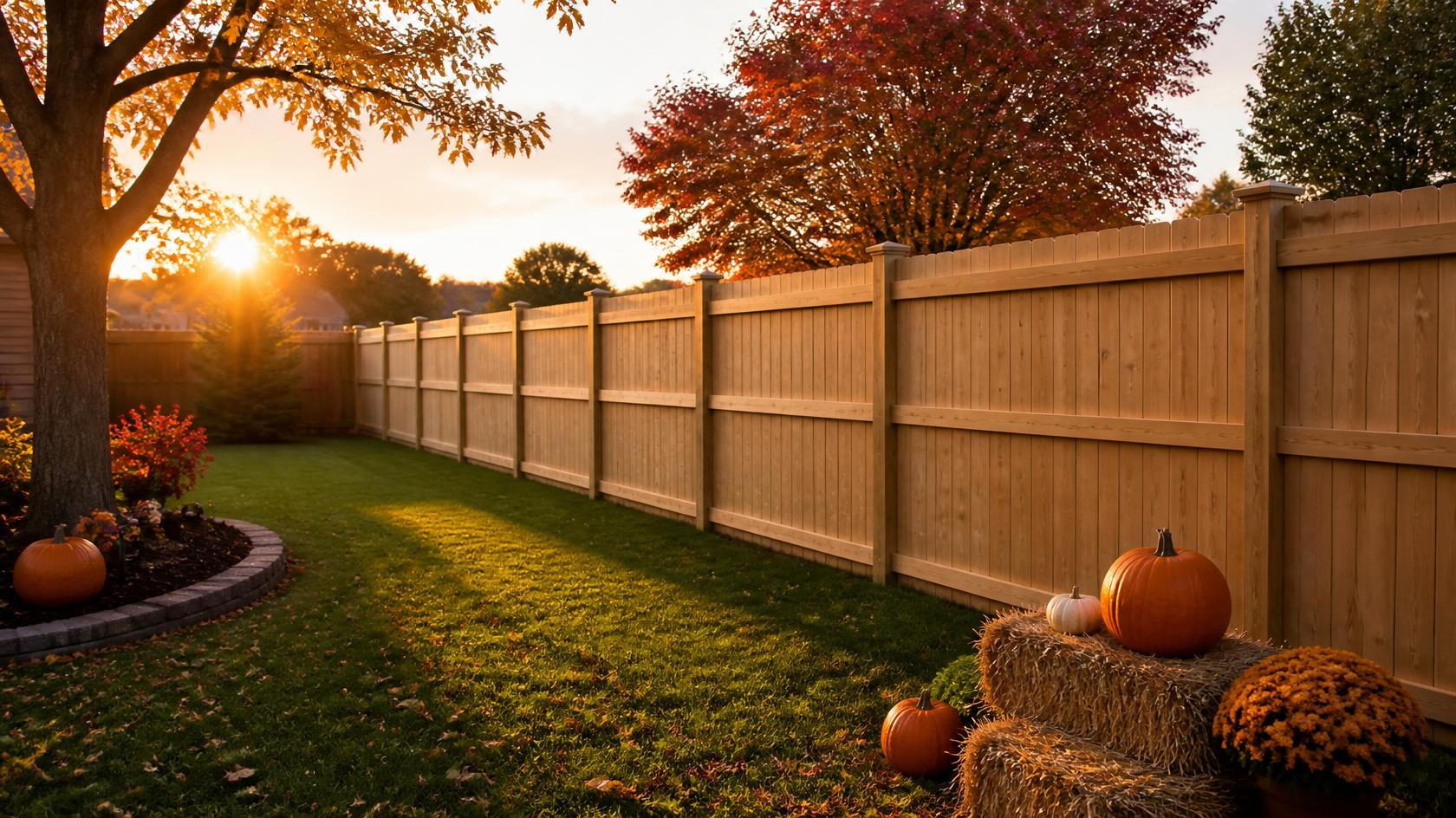
Fall can still be a practical time for wood fence installation in Belvidere when the ground is workable and the yard is prepared before colder weather arrives. Homeowners should finalize the fence layout, clear the work area, check drainage and slopes, plan gates, and understand that staining or sealing may need to wait for suitable temperature and moisture conditions.
Is Fall a Good Time for Wood Fence Installation?
A wood fence does not have to be installed only during spring or summer.
Fall installation may still be possible when:
The ground is not frozen
Soil is not excessively saturated
Materials are available
The work area is accessible
Weather conditions allow proper installation
The calendar alone does not determine whether a project can move forward.
For Belvidere homeowners hoping to complete a fence before winter, earlier fall planning usually provides more flexibility than waiting until temperatures drop further.
Decide What the Fence Needs to Accomplish
Before preparing the yard, confirm why you are installing the fence.
Common goals include:
Backyard privacy
Pet containment
Side-yard screening
Patio privacy
Property definition
Improved gate access
The purpose of the fence affects its height, layout, board style, and gate locations.
A fence designed mainly for privacy may look very different from one intended primarily for dogs or property boundaries.
Compare Wood Fence Styles
Wood provides several options for residential yards.
Solid Vertical Wood
Vertical boards create a traditional privacy fence and work well along shared boundaries, patios, and backyards.
Board-on-Board
Overlapping boards help reduce sightlines that can develop as wood naturally expands and contracts.
This can be useful where homeowners want more consistent screening.
Shadowbox
Shadowbox fencing allows more airflow while still providing partial privacy.
It may work well for larger yards where a completely solid barrier is unnecessary.
Horizontal Wood
Horizontal boards can create a more modern appearance, especially near outdoor living areas.
Strong framing is important with this style.
Finalize the Fence Line Before Installation
The planned location should be clear before posts are installed.
Review:
Property boundaries
Existing fencing
Driveways
Patios
Sheds
Landscaping
Utility areas
Gate locations
Do not automatically assume an older fence, hedge, or mowing line marks the correct property boundary.
Resolve any layout questions before work begins.
Plan Gates Around Everyday Use
Gate planning should happen early.
Think about how people normally move between:
The house
Driveway
Backyard
Patio
Side yard
You may need:
A walk gate
A wider mower gate
Double-gate access
Separate equipment access
Measure riding mowers, trailers, or landscaping equipment before choosing the opening width.
Changing a gate after the posts are already installed can make the project more complicated.
Wide Wood Gates Need Strong Support
Wood gates can become heavy, particularly when the opening is wide.
They need dependable:
Gate posts
Hinges
Framing
Bracing
Latches
If an older gate repeatedly sagged, avoid simply copying the same setup without understanding why it failed.
Fall replacement is an opportunity to improve the design.
Clear the Fence Line
A clear work area can make installation easier and reveal problems hidden by summer growth.
Before the project begins, move:
Outdoor furniture
Toys
Garden hoses
Planters
Stored equipment
Temporary decorations
Trim shrubs, vines, and branches that block the proposed fence line.
Removing fallen leaves also makes it easier to see the actual ground conditions.
Check Drainage After Fall Rain
Fall rain can show homeowners exactly where water moves through the yard.
Look for:
Standing water
Erosion
Mud
Low spots
Downspout discharge
Posts rely on stable soil.
If water repeatedly washes through the proposed fence line, that condition should be considered before installation.
A new fence should not simply cover up an existing drainage problem.
Pay Attention to Sloped Areas
Slopes can affect both appearance and ground clearance.
Depending on the design, wood fencing may be:
Stepped
Built to follow the grade more closely
Wood offers flexibility because individual boards can often be adjusted to match changing terrain.
Pet owners should pay close attention to the bottom of the fence, where slopes can create larger openings.
Check for Tree Roots and Landscaping Conflicts
Trees and mature landscaping can complicate the fence line.
Before installation, identify:
Large roots
Shrubs
Garden beds
Decorative edging
Low branches
Avoid unnecessary damage to major tree roots.
In some cases, adjusting the fence line may be more practical than forcing posts into a difficult location.
Existing Fence Removal Adds Preparation
If the project is replacing an older fence, removal should be planned before installation day.
The existing fence may include:
Boards
Posts
Rails
Gates
Hardware
Concrete footings
Ask whether removal, hauling, disposal, and cleanup are included in the estimate.
Old footings can sometimes make replacement more involved than installation on an open property.
Fall Weather Can Affect the Schedule
Belvidere weather can change quickly during fall.
Possible scheduling factors include:
Heavy rain
Soft soil
Strong wind
Early snow
Freezing temperatures
These conditions do not automatically stop installation, but they can affect when certain work is practical.
Planning earlier in the season provides more room for weather-related schedule changes.
Installation and Wood Finishing Are Not the Same Step
Homeowners sometimes assume a new wood fence must be stained or sealed immediately.
That is not always the case.
Finishing products have specific requirements involving:
Temperature
Wood moisture
Drying time
Weather conditions
If fall conditions are too cold or wet, staining or sealing may need to wait.
Follow the requirements of the specific finish rather than rushing because winter is approaching.
Prepare for Wind Exposure
Solid wood privacy fencing catches more wind than open designs.
Before installation, look at exposed areas of the yard and long straight fence runs.
Strong support is especially important for:
Posts
Rails
Corners
Gate posts
Shadowbox or other more open designs may be worth considering where full privacy is not required.
Plan for Pets Before the Fence Goes Up
If dogs will use the yard, include their needs in the layout.
Consider whether the dog:
Jumps
Digs
Climbs
Reacts to nearby activity
Rushes gates
Wood privacy fencing can help block visual distractions.
Also check:
Fence height
Ground gaps
Gate security
Digging areas
These details are easier to solve during planning than after installation.
Think About Snow Before Choosing Gate Locations
A fall fence should still function once winter arrives.
Consider:
Where snow is usually piled
Gate swing
Shoveled paths
Snowblower routes
Pet access
Avoid placing the main gate where snow naturally collects every winter.
Good fall planning should account for year-round use.
What Homeowners Should Do Before Installation Day
A useful preparation checklist includes:
Confirm the fence layout
Review property boundaries
Choose the wood style
Finalize gate locations
Measure equipment for gate width
Clear the work area
Trim vegetation
Check drainage
Identify slopes
Review existing fence removal
Plan for pets
Consider winter access
Completing these steps before installation can reduce last-minute changes.
Request a Free Wood Fence Estimate
Arrow Fence helps Belvidere homeowners plan wood fencing for privacy, pets, backyard use, side yards, and gate access.
Whether you are considering a new wood fence, replacing an older fence, repairing damaged sections, or preparing the yard for a fall installation, Arrow Fence can help you compare practical options for your property.
Contact Arrow Fence at arrowfencerockford.com to request a free estimate for your wood fence project.
