
Wood Fence Maintenance in DeKalb, IL: Protecting Boards From Winter Moisture
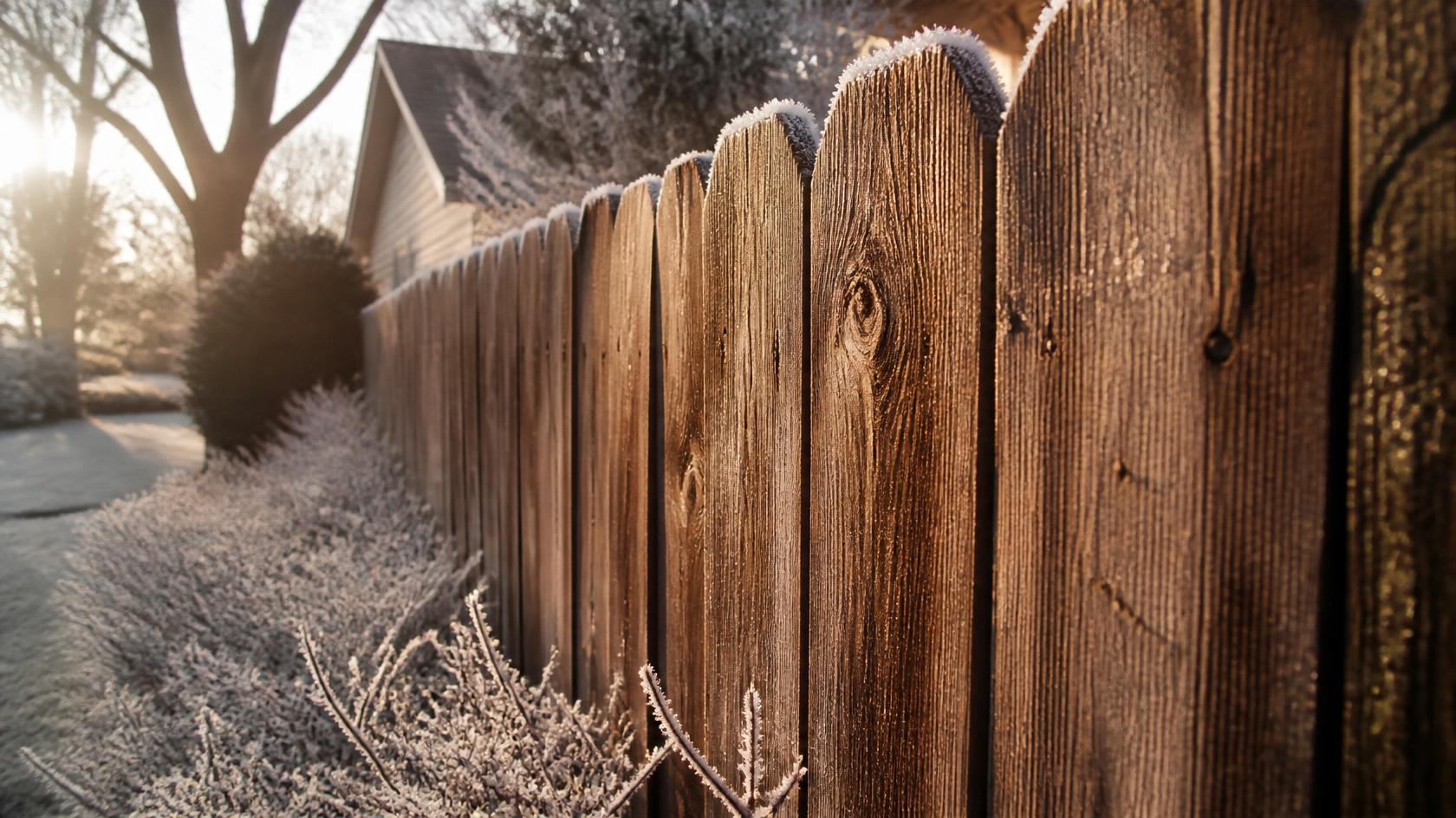
Winter moisture can be hard on wood fencing in DeKalb, especially when leaves, snow, rain, and poor drainage keep boards and posts wet for long periods. Fall maintenance should focus on cleaning debris, checking for rot and cracks, improving drainage, repairing damaged boards, and making sure gates and posts are stable before freezing temperatures arrive.
Why Moisture Matters Before Winter
Wood fencing is exposed to changing weather throughout the year, but fall and winter bring a combination of moisture and cold that deserves extra attention.
Rain, melting snow, ice, and repeated freeze-thaw cycles can affect:
Boards
Rails
Posts
Gates
Fasteners
The goal is not to keep wood completely dry. That is unrealistic outdoors.
Instead, homeowners should reduce conditions that allow moisture to stay trapped against the fence for long periods.
Start With a Full Fence-Line Inspection
Walk both sides of the fence before winter.
Look for:
Dark or soft areas
Cracked boards
Loose fasteners
Warping
Rot near the ground
Leaning sections
Damaged rails
Gate problems
Pay extra attention to shaded or low areas because they may stay damp longer after rain.
A fall inspection can help identify small issues before snow hides them.
Clear Wet Leaves From the Fence
Leaves are one of the easiest moisture problems to overlook.
Wet leaves can collect around:
Post bases
Lower boards
Corners
Gates
Landscaping
When leaves stay packed against wood, they can hold moisture against the surface.
Remove buildup regularly during fall instead of allowing it to remain until spring.
This also makes it easier to inspect the bottom of the fence.
Check Boards Near Ground Level
Lower boards often experience the most moisture exposure.
Look for wood that appears:
Soft
Crumbly
Deeply cracked
Discolored
Loose
A damaged board may need replacement before winter if it no longer holds securely.
If several nearby boards show similar deterioration, inspect the rails and posts as well.
The visible board may not be the only problem.
Inspect Posts for Moisture Damage
Wood posts deserve special attention where they meet the ground.
Check for:
Soft wood
Rot
Leaning
Movement
Exposed footings
A post can look fine higher up while deterioration develops near the soil line.
Gently check for movement rather than relying only on appearance.
If the post shifts easily, the issue may involve the wood, footing, or surrounding soil.
Watch for Standing Water
Water collecting around fence posts can contribute to long-term problems.
After rain, check for:
Puddles
Mud
Downspout discharge
Low areas
Erosion
Poor drainage can affect the soil supporting the fence as well as the wood itself.
A stable fence needs both sound materials and stable ground.
Keep Runoff Away From Fence Posts
Look at where roof and yard runoff travel during heavy rain.
A downspout or drainage path that directs water toward the fence may repeatedly saturate the same area.
Possible warning signs include:
Washed-out soil
Exposed concrete
Soft ground
Leaning posts
Drainage problems should be addressed instead of simply repairing the same post repeatedly.
Repair Cracked or Loose Boards
Small board problems can become larger once winter weather arrives.
Check whether damaged boards can be securely repaired or whether replacement makes more sense.
Boards that are severely split, rotten, or unable to hold fasteners may need to be replaced.
Also inspect nearby rails, since a loose board can sometimes indicate a weakened connection behind it.
Check Rails for Hidden Damage
Rails support multiple fence boards.
A cracked or rotten rail can cause several boards to sag or move together.
Look for:
Separation from posts
Cracks
Sagging
Soft areas
Loose fasteners
If a section of boards moves as one unit, the rail may be the actual problem.
Addressing the support structure is more effective than repeatedly securing individual boards.
Trim Vegetation Away From Wood
Shrubs, vines, and branches can hold moisture against fencing.
Trim plants that:
Press against boards
Cover post bases
Block airflow
Hide damaged areas
Leave enough clearance to inspect and maintain the fence.
Dense vegetation can make moisture problems harder to notice until the damage becomes more extensive.
Check Overhanging Branches
Winter snow and ice can add weight to tree limbs.
Inspect branches above the fence and remove damaged or dead growth where appropriate.
A falling limb can damage:
Boards
Rails
Posts
Gates
This is especially important around older fence sections that may already be weakened.
Inspect Gates Before Freezing Weather
Wood gates experience more movement than stationary fence sections.
Check for:
Sagging
Warping
Loose hinges
Latch problems
Rot in the frame
Shifting gate posts
A gate that already drags in fall may become harder to use after snow or frozen ground changes clearance.
Repairing structural issues now can make winter access easier.
Do Not Trap Snow Against the Fence
Once winter arrives, avoid repeatedly piling heavy snow against wood fencing when possible.
Snow stored against boards and posts can remain wet for long periods during thawing.
Keep snow-removal routes in mind around:
Gates
Corners
Weak sections
Post bases
Snowblowers and shovels should also have enough clearance to avoid accidental impact.
Check the Fence Finish
Some wood fences use stain or sealer to help manage weather exposure.
Inspect for areas where the finish appears:
Worn
Faded
Uneven
No longer repelling water effectively
Do not assume that late fall is automatically the right time to apply a new product.
Stains and sealers have specific requirements for temperature, moisture, and drying conditions.
If the weather is too cold or damp, it may be better to wait for suitable conditions rather than rushing the work.
Board Spacing Can Change With the Weather
Wood naturally expands and contracts as moisture levels change.
Small seasonal changes are normal.
However, watch for boards that:
Twist severely
Pull away from rails
Develop large cracks
Create major openings
Board-on-board fencing can help reduce sightlines created by seasonal movement because the boards overlap.
Even with that design, regular inspections are still useful.
Keep Hardware Secure
Fasteners and gate hardware should be checked during fall maintenance.
Look for:
Loose screws
Protruding nails
Corroded hardware
Loose hinges
Weak latch connections
Hardware problems can allow boards and gates to move more during strong winter wind.
Tightening or replacing damaged components before winter may prevent larger repairs later.
Watch Wind-Exposed Sections
Solid wood privacy fencing catches more wind than open designs.
Inspect exposed areas for:
Loose boards
Weak rails
Leaning posts
Movement at corners
Long fence runs and gate posts deserve extra attention.
If a section already moves noticeably during moderate wind, it should be evaluated before winter storms arrive.
Know When Maintenance Is Not Enough
Routine maintenance works best when the fence is still structurally sound.
More extensive repair or replacement may be needed when:
Several posts are rotten
Large sections lean
Multiple rails are failing
Rot is widespread
Boards repeatedly loosen
Gates continue losing alignment
Repeatedly repairing surface problems may not make sense if the supporting structure is deteriorating.
Fall Wood Fence Maintenance Checklist
Before winter in DeKalb, check:
Boards for cracks and rot
Posts for movement
Rails for sagging
Gates for alignment
Leaves around the fence
Vegetation touching boards
Drainage around posts
Fasteners and hardware
Overhanging branches
Snow-storage areas
A short inspection now can make it easier to spot problems before winter moisture and snow cover the fence line.
Request a Free Wood Fence Repair Estimate
Arrow Fence helps DeKalb homeowners maintain and repair wood fencing before winter.
Whether your fence has damaged boards, leaning posts, loose rails, gate problems, drainage concerns, or more widespread deterioration, Arrow Fence can help you review practical repair or replacement options.
Contact Arrow Fence at arrowfencerockford.com to request a free estimate for your wood fence project.
