
Wood Fence Maintenance in Loves Park, IL: Fall Care Before Winter Weather
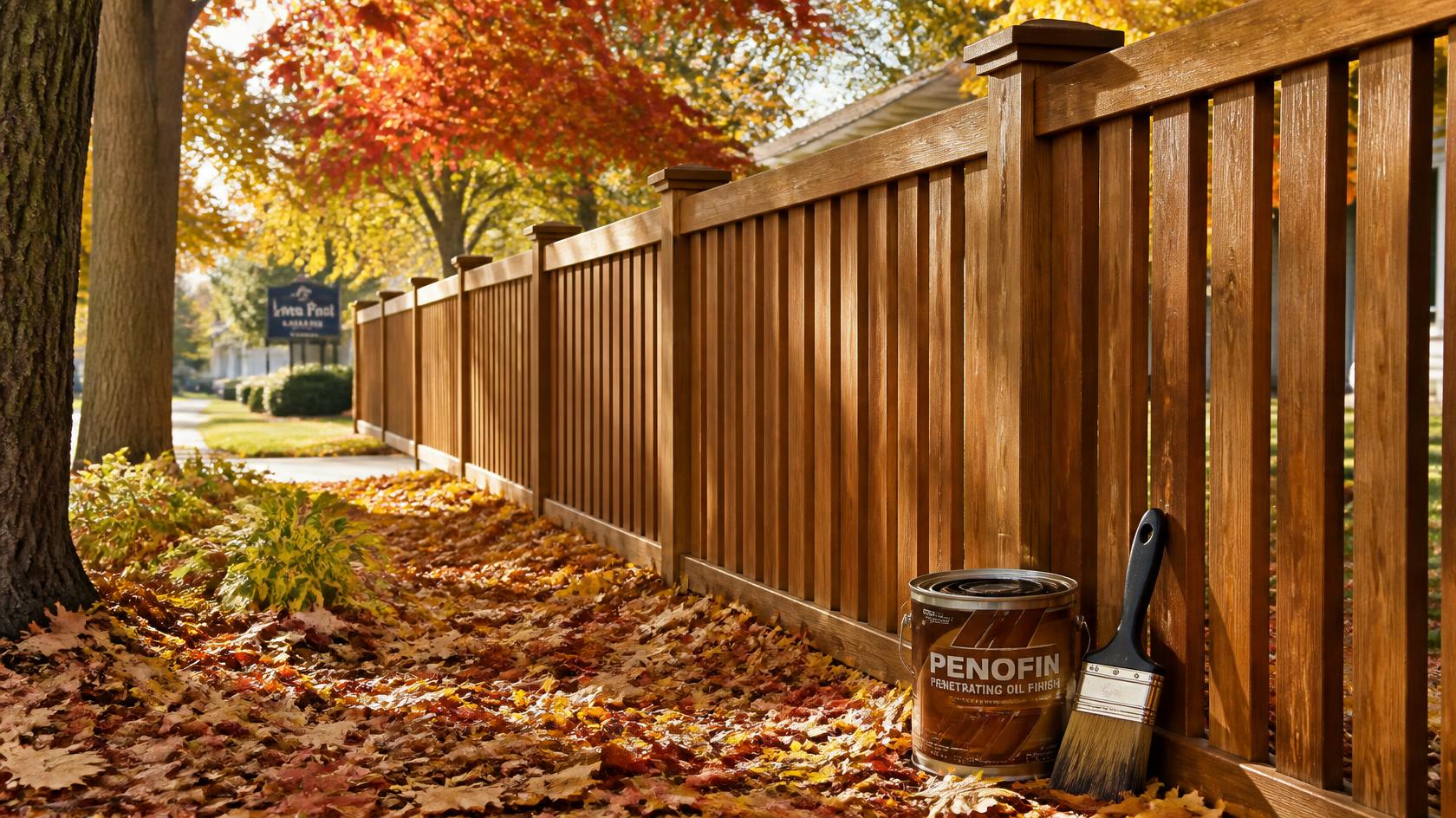
Fall is a good time for Loves Park homeowners to inspect and maintain wood fencing before snow, ice, moisture, and freeze-thaw cycles arrive. Focus on loose boards, posts, rails, gates, worn finishes, drainage, leaves, vegetation, and ground movement so small problems do not become harder to address during winter.
Why Fall Maintenance Matters for Wood Fencing
Wood fencing is exposed to changing weather throughout the year, but fall is an especially useful time for a detailed inspection.
By this point, summer storms, humidity, rain, landscaping, and everyday use may have left behind small problems. Winter can then add snow, ice, wind, frozen ground, and prolonged moisture.
A fall inspection gives homeowners an opportunity to look for:
Loose boards
Cracked wood
Rot
Weak posts
Sagging gates
Worn stain or sealant
Drainage problems
Soil erosion
Overgrown vegetation
Wet leaves and debris
Not every issue requires major repair. Catching isolated problems early can make the fence easier to maintain over the long term.
Walk the Entire Fence Line First
Before making repairs, walk around both sides of the fence where possible.
Look at the fence from a distance first.
Check whether any sections appear:
Leaning
Sagging
Uneven
Bowed
Separated from posts
Then inspect those areas more closely.
A section that looks slightly different from the rest of the fence may reveal a loose post, damaged rail, or shifting soil.
Check Fence Posts for Movement
Posts are one of the most important structural parts of a wood fence.
Gently check accessible posts for unexpected movement.
Look for:
Leaning
Soft or damaged wood near the base
Cracks
Soil erosion
Exposed footings
Movement around gate posts
A weak post can affect several boards or panels around it.
Gate posts deserve extra attention because they carry the additional weight and movement of the gate.
Inspect Boards for Damage
Fall is a good time to look closely at individual fence boards.
Watch for:
Cracks
Splinters
Warping
Loose boards
Missing fasteners
Soft areas
Visible rot
A few isolated damaged boards may be repairable without replacing the entire section.
Widespread deterioration across several sections may require a larger repair or replacement plan.
Look Closely at the Bottom of the Fence
Lower boards often experience more moisture than the rest of the fence.
Inspect areas where the wood is close to:
Soil
Mulch
Leaves
Grass
Garden beds
Wood should not remain surrounded by wet organic material for long periods.
Clearing the base of the fence improves airflow and makes it easier to identify developing damage.
Inspect the Fence Rails
Rails connect the fence boards to the posts and help keep each section stable.
Look for:
Cracking
Rot
Loose connections
Sagging
Separation from posts
A rail that is beginning to fail may allow several boards to shift together.
Repairing structural problems before winter can help the fence handle seasonal wind and snow more effectively.
Test Every Gate
Gates receive more daily movement than most other parts of a fence.
Open and close each gate several times.
Check whether it:
Drags on the ground
Sags
Rubs against a post
Fails to latch
Moves excessively
Has loose hinges
Gate alignment can change when posts or surrounding soil move.
Addressing these issues in fall can help prevent a gate from becoming harder to use once snow and frozen ground arrive.
Check Hinges and Latches
Small pieces of hardware can create surprisingly large problems when they loosen.
Inspect:
Hinges
Latches
Screws
Bolts
Brackets
Handles
Tighten appropriate loose hardware and replace damaged components where necessary.
Pet owners should pay particular attention to latches that no longer close securely.
Clear Fallen Leaves From the Fence Line
Fall leaves can collect quickly along solid wood fencing.
When they become wet, they may hold moisture against boards and posts.
Remove leaves from:
Fence bases
Corners
Gate areas
Posts
Drainage paths
Leaf buildup can also hide ground gaps, erosion, and small areas of deterioration.
Keeping the fence line clear makes inspection easier throughout the season.
Trim Plants Away From the Wood
Shrubs, vines, and branches should not remain pressed tightly against the fence.
Dense vegetation can:
Reduce airflow
Hold moisture against wood
Hide damage
Make repairs difficult
Rub against boards
Trim plants enough to maintain reasonable access around the fence.
Avoid allowing vines to become so established that they prevent boards and posts from being inspected.
Look Up for Problem Branches
Fence maintenance should include the trees above the fence line.
Check for branches that are:
Dead
Broken
Hanging low
Rubbing against the fence
Snow and ice can add considerable weight to already weak branches.
A falling limb can damage several fence sections at once.
Fall is a useful time to identify obvious risks before winter storms arrive.
Check the Wood Finish
Stain or another protective finish can help reduce exposure to moisture and sunlight.
Inspect the fence for:
Fading
Uneven color
Bare wood
Peeling finish
Areas that absorb water quickly
A worn finish does not automatically mean it must be reapplied immediately.
Weather conditions and product instructions matter.
If refinishing is planned during fall, make sure temperatures, moisture levels, and drying conditions meet the requirements of the specific product.
Clean the Fence Before Refinishing
A dirty surface can interfere with maintenance work.
Depending on the fence condition, cleaning may involve removing:
Dirt
Dust
Organic buildup
Leaves
Surface debris
Use methods appropriate for wood and avoid unnecessarily aggressive cleaning that could damage the surface.
Allow the fence to dry adequately before applying a finish that requires dry wood.
Check Drainage Around Fence Posts
Drainage problems can cause ongoing trouble for wood fencing.
After fall rain, inspect for:
Standing water
Mud around posts
Soil washing away
Downspouts emptying near the fence
Exposed footings
Water flowing under sections
The goal is to avoid having water consistently collect around fence components.
Spring snowmelt may follow many of the same drainage paths, making fall a useful time to identify trouble spots.
Watch for Erosion and New Ground Gaps
Soil can gradually wash away beneath the fence.
This may create:
Uneven bottom edges
Pet escape points
Exposed post footings
Larger gaps near slopes
Check especially around:
Gates
Drainage areas
Low spots
Sloped sections
If pets use the yard, even a relatively small opening may need attention.
Prepare Pet Fencing for Winter
Wood privacy fencing often works well for dogs because it can block views of neighboring animals, wildlife, pedestrians, and traffic.
Before winter, inspect the fence from the pet's side of the yard.
Look for:
Loose boards
Digging areas
Ground gaps
Weak gates
Damaged latches
Openings near corners
Snow may eventually hide these areas, so fall is a better time to identify them.
Keep Mulch and Soil Away From Lower Boards
Landscaping materials can gradually build up against a fence.
Avoid piling:
Mulch
Soil
Compost
Wet leaves
directly against wood boards.
Constant contact with damp material can increase moisture exposure and make the lower part of the fence harder to inspect.
Keep landscaping neat enough that the fence remains accessible.
Consider How Snow Will Be Cleared
Before winter, look at how snow is normally removed from:
Driveways
Walkways
Patios
Side yards
Avoid repeatedly pushing heavy snow directly against wood fencing.
Snow-removal equipment should also have enough space to operate without hitting posts, boards, or gates.
Identifying tight areas in fall can help avoid accidental fence damage later.
Give Privacy Fencing Extra Wind Attention
Solid wood privacy fencing catches more wind than open fence styles.
Inspect:
Posts
Rails
Corners
Gate posts
Connections
Areas exposed to open yards or strong winds deserve particular attention.
A fence section that already moves excessively before winter may need repair.
Check Corners and Transition Points
Fence problems can develop where sections meet or change direction.
Inspect:
Corners
Gate openings
Height changes
Sloped transitions
Areas where different fence styles meet
These points may experience different types of stress than straight fence runs.
Small alignment problems are often easier to see before snow covers the ground.
Repair Individual Problems Before They Spread
Many wood fence repairs can be relatively localized.
Depending on the condition, fall maintenance may include:
Replacing individual boards
Repairing rails
Tightening hardware
Adjusting gates
Addressing isolated post problems
Correcting small ground gaps
Homeowners should avoid ignoring structural damage simply because the rest of the fence looks good.
One failing component can place additional strain on nearby sections.
Know When Maintenance Is No Longer Enough
Routine care can extend the usefulness of a wood fence, but some fences eventually reach the point where repeated repairs are no longer practical.
Replacement may be worth considering when:
Several posts are failing
Rot affects multiple sections
Large areas are leaning
Gates repeatedly lose alignment
Rails are widely deteriorated
Privacy or pet security is compromised
A professional inspection can help determine whether targeted repairs or a larger replacement project makes more sense.
Fall Wood Fence Maintenance Checklist
Before winter arrives in Loves Park, review:
Fence posts
Boards
Rails
Gates
Hinges and latches
Stain or finish
Ground gaps
Drainage
Erosion
Leaves
Shrubs and vines
Tree branches
Pet escape points
Snow-removal clearance
Taking a few photos of problem areas can also make it easier to compare their condition after winter.
Recheck After Major Fall Storms
Fall maintenance should not necessarily end after one inspection.
Strong winds or heavy rain can create new problems.
After significant weather, check for:
Leaning posts
Loose boards
Fallen branches
Gate movement
Soil erosion
Catching new damage before winter can prevent surprises once the yard is covered with snow.
Plan a Spring Follow-Up
Even a well-maintained fence should be checked again after winter.
Spring inspections can reveal:
Soil movement
New ground gaps
Moisture damage
Loose hardware
Gate misalignment
Winter impact damage
Comparing the spring condition with your fall inspection can help identify areas that need continued attention.
Request a Free Wood Fence Estimate
Arrow Fence helps Loves Park homeowners maintain, repair, and replace wood fencing for privacy, pets, backyards, and residential property boundaries.
Whether your fence needs individual board repairs, gate adjustments, post work, larger repairs, or replacement, Arrow Fence can help you review practical options before winter weather arrives.
Contact Arrow Fence at arrowfencerockford.com to request a free estimate for your wood fence project.
