
Wood Fence Options in Footville, WI for Privacy and Natural Style
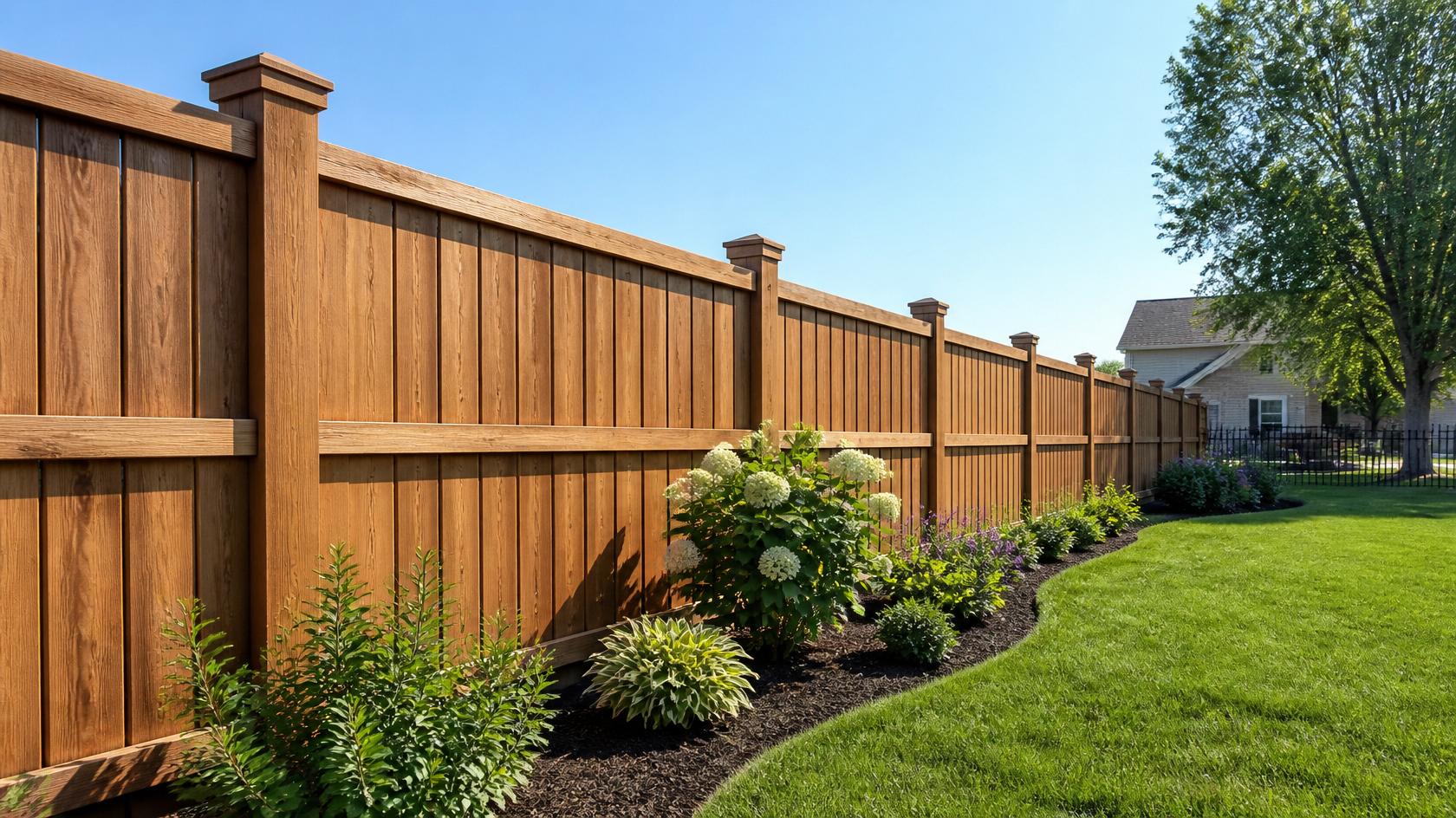
Wood fencing is a strong option for Footville homeowners who want backyard privacy with a natural, traditional look. Solid vertical boards, board-on-board, shadowbox, and horizontal styles each offer different levels of screening, airflow, maintenance, and visual character.
Why Wood Fencing Fits Many Footville Homes
Wood fencing can add privacy without making a property feel overly formal or industrial.
It works especially well with:
Mature trees
Gardens
Decks
Patios
Traditional homes
Larger yards
Rural-style landscaping
Homeowners can also customize wood fencing through board patterns, stain colors, heights, decorative tops, and gate designs.
That flexibility makes wood useful for everything from full backyard enclosures to a few targeted privacy panels around an outdoor living area.
Solid Vertical Wood Privacy Fencing
Traditional vertical-board fencing remains one of the most practical choices when privacy is the main goal.
Closely spaced boards can help block views from:
Neighboring properties
Roads
Sidewalks
Nearby patios
Outdoor gathering areas
Pet spaces
The simple design also provides a clean background for landscaping.
Solid wood can make patios and decks feel more comfortable while giving homeowners greater separation from nearby properties.
Board-on-Board Fencing for Stronger Screening
Board-on-board fencing uses overlapping boards rather than placing them side by side on the same plane.
This design helps maintain privacy as wood naturally expands and contracts with changing moisture and temperatures.
It can work particularly well along:
Shared property lines
Neighboring patios
Side yards
Road-facing sections
Pet areas
The overlapping boards create a fuller appearance and reduce direct sightlines.
Because this design uses more material than standard vertical fencing, some homeowners choose it only in areas where privacy matters most.
Shadowbox Fencing for Privacy With Airflow
Shadowbox fencing alternates boards on opposite sides of the rails.
This allows more air to move through the fence while still creating partial screening.
It can be a good option for:
Larger yards
Shared boundaries
Wind-exposed areas
Side yards
Garden spaces
Shadowbox fencing also looks finished from both sides.
The tradeoff is that it is not completely private from every viewing angle.
If maximum screening is the goal, solid vertical or board-on-board fencing may be a better choice.
Horizontal Wood for a More Modern Look
Horizontal wood fencing creates a more contemporary appearance while keeping the natural character of real wood.
It can work well around:
Patios
Decks
Outdoor kitchens
Hot tubs
Fire pits
Seating areas
Horizontal panels can also be used as targeted privacy screens instead of enclosing the full yard.
Strong framing is important because longer horizontal boards need enough support to reduce bowing and sagging.
Use Targeted Wood Privacy Panels
A full perimeter privacy fence is not always necessary.
Some Footville homeowners may only need screening along one property line or around a specific outdoor space.
Targeted wood panels can block views near:
Patios
Decks
Neighboring windows
Side yards
Outdoor dining areas
Utility spaces
This approach can preserve open views in other directions while reducing the amount of fence that needs future maintenance.
Choose a Wood Finish That Complements the Home
Wood can be finished in many ways, giving homeowners more control over the final appearance.
Options may include:
Clear finishes
Natural stains
Medium brown stains
Darker wood tones
Semi-transparent stains
Solid-color finishes
When choosing a finish, compare it with:
Siding
Brick or stone
Exterior trim
Roofing
Decks
Porches
Landscaping
Natural tones can blend into trees and gardens, while darker finishes may create stronger contrast against lighter homes.
Wood Fencing for Dogs
Solid wood can be especially useful for households with dogs.
Because it blocks outside views, it may reduce distractions from:
Neighboring pets
Pedestrians
Wildlife
Passing vehicles
Road activity
A pet-friendly wood fence should also include:
Appropriate height
Secure gate latches
Minimal ground gaps
Stable posts
Strong rails
Dig-resistant features when needed
Dogs that jump or climb may require additional height or a different fence layout than smaller, calmer pets.
Watch for Gaps Near the Ground
Ground gaps can create pet escape points and affect the overall appearance of a privacy fence.
They may develop near:
Slopes
Gates
Drainage channels
Low spots
Uneven terrain
Homeowners should inspect these areas after storms and spring snowmelt.
Soil erosion can gradually create openings even if the fence was installed correctly.
Plan Gates Around Everyday Use
Gate location and width should be determined before the fence is installed.
A walk gate may handle daily access, but wider openings may be needed for:
Riding mowers
Trailers
Landscaping equipment
Utility vehicles
Construction materials
Wide wood gates need strong posts, dependable hinges, and proper bracing because the additional weight can affect alignment.
Homeowners should measure their largest equipment before deciding on gate width.
Make Side Yards More Useful
Wood fencing can improve side yards by adding privacy and helping screen functional areas.
It may be used to hide:
Garbage containers
Lawn equipment
Utility spaces
Storage areas
Pet passages
Because side yards may be narrow, consider gate swing direction and walking clearance carefully.
Privacy should not come at the expense of practical access.
Use Wood Around Outdoor Living Areas
Wood fencing can make patios and decks feel more inviting by creating a warmer backdrop than many other materials.
It can frame:
Outdoor furniture
Gardens
Fire pits
Dining areas
Grills
Decorative lighting
Homeowners can use taller sections where screening is needed and lower or more open fencing elsewhere.
This creates privacy without making the entire yard feel closed off.
Leave Enough Room for Landscaping
Landscaping can soften long stretches of wood fencing, but plants should not remain pressed directly against the boards.
Leave room for:
Mowing
Trimming
Staining
Cleaning
Inspections
Repairs
Dense shrubs can trap moisture and make it harder to notice damaged boards or loose posts.
Branches should also be trimmed before they begin rubbing against the fence.
Plan for Sloped Yards
Wood fencing can be adapted to changing elevations.
Depending on the property, sections may be:
Stepped in level sections
Installed to follow the grade
The right approach depends on appearance, privacy needs, and pet containment.
Homeowners with dogs should pay special attention to low points where extra ground clearance may create escape gaps.
Pay Attention to Drainage
Drainage is especially important for wood because prolonged moisture can contribute to deterioration.
Heavy rain and snowmelt may:
Erode soil around posts
Create gaps under boards
Affect gate alignment
Expose footings
Keep lower sections damp
Avoid piling wet leaves, soil, mulch, or debris against the bottom of the fence.
Good drainage and airflow can help reduce unnecessary moisture exposure.
Understand Wood Fence Maintenance
Wood generally requires more routine care than vinyl, aluminum, or chain link.
Homeowners should periodically check for:
Loose boards
Cracks
Splinters
Rot
Fading finish
Gate problems
Unstable posts
Staining or sealing can help protect the surface from moisture and sun exposure.
Maintenance needs vary based on the type of wood, finish, drainage, and weather exposure.
Prepare Wood Fencing for Footville Weather
Footville fencing needs to handle Wisconsin wind, rain, snow, ice, storms, and repeated freeze-thaw cycles.
Homeowners should periodically:
Check posts after storms
Inspect boards and rails
Test gates and latches
Watch for erosion
Remove wet debris
Trim nearby branches
Maintain protective finishes
Clear heavy snow carefully
Spring is a useful time to inspect the fence for moisture damage and ground movement after winter.
Wood Compared With Other Fence Materials
Wood
Best for natural character, customization, and strong privacy.
Vinyl
Best for homeowners who want consistent privacy with less routine maintenance.
Chain Link
Useful for practical containment and longer boundaries where privacy is less important.
Aluminum
Best for decorative areas where open views are preferred.
Mixed Materials
A practical choice when homeowners want wood privacy near the house and more open fencing elsewhere.
Repair or Replace an Existing Wood Fence?
Minor damage can often be repaired without replacing the entire fence.
Repairs may include:
Replacing individual boards
Repairing rails
Adjusting gates
Replacing hardware
Stabilizing posts
Replacement may be more practical when rot affects several sections, multiple posts are unstable, or the fence no longer provides enough privacy or security.
A replacement project can also provide an opportunity to improve gate placement and yard access.
Request a Free Wood Fence Estimate
Arrow Fence helps Footville homeowners plan wood fencing for privacy, natural style, pets, landscaping, and comfortable outdoor living.
Whether you are considering solid vertical fencing, board-on-board panels, shadowbox fencing, horizontal wood, fence repair, replacement, or new gates, Arrow Fence can help you compare practical options for your property.
Contact Arrow Fence at arrowfencerockford.com to request a free estimate for your wood fence project.
