
Wood Fence Repair Before Winter in Lake Carroll, IL: What to Fix Now
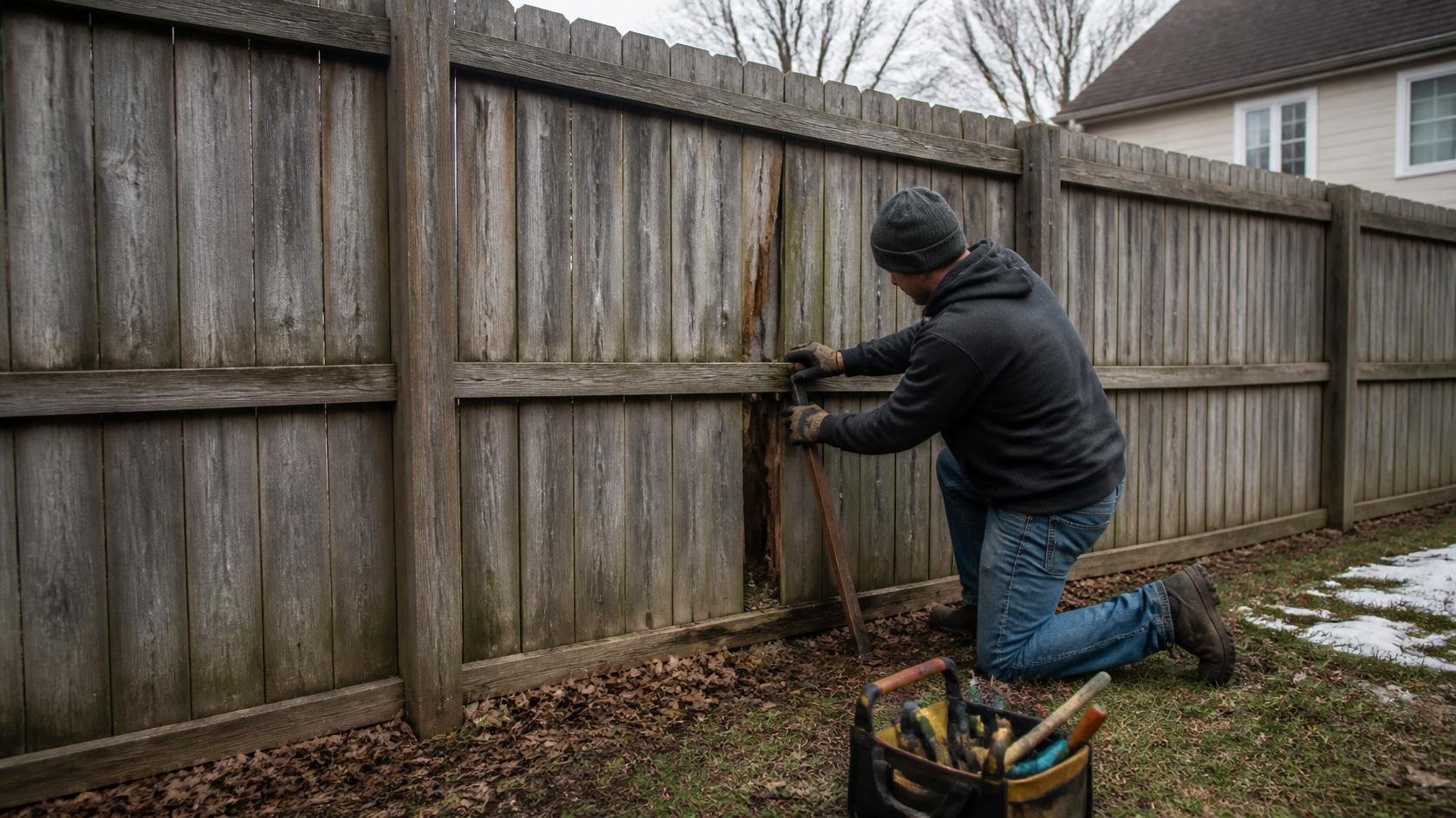
Before winter reaches Lake Carroll, homeowners should inspect wood fencing for loose boards, leaning posts, cracked rails, gate problems, rot, worn finishes, and drainage issues. Small repairs made in fall can help prevent snow, ice, wind, and freeze-thaw cycles from making existing damage worse.
Start With the Areas That Move
A wood fence should feel stable when lightly checked.
Walk the fence line and look for sections that:
Lean
Shake in the wind
Pull away from posts
Sag between supports
Look uneven compared with nearby sections
Movement often points to a problem with the post, rail, or connection rather than the visible board itself.
Finding that structural issue first can prevent repeated repairs later.
Repair Loose or Split Boards
Individual boards often show wear before the rest of the fence.
Check for:
Cracks
Loose fasteners
Warping
Splintering
Broken edges
Boards pulling away from rails
A board that is still solid may only need to be secured again.
Boards with deep splits, rot, or severe damage may need replacement.
Fall is a good time to handle these problems before snow hides the lower portions of the fence.
Check Posts for Leaning or Rot
Posts carry most of the fence's structural load.
Pay close attention to posts that:
Lean
Move at the base
Have exposed concrete
Sit in washed-out soil
Show soft or damaged wood near ground level
Wood posts can deteriorate where moisture remains around the base.
A single damaged post may be repairable. Multiple failing posts may indicate that a larger section needs attention.
Inspect Rails Behind the Boards
Rails connect boards to the posts and help keep each section straight.
Look for:
Cracks
Loose fasteners
Sagging
Rot
Separation from posts
A damaged rail can affect several boards at once.
If a fence section seems loose even though the boards look intact, the rail may be the real problem.
Look for Rot Near the Ground
Moisture tends to collect near the bottom of a fence.
Inspect areas where boards or posts sit close to:
Soil
Mulch
Leaves
Tall grass
Garden beds
Signs of deterioration may include soft wood, dark areas, crumbling edges, or material that no longer holds fasteners well.
Keeping the lower fence line clear can reduce prolonged moisture exposure.
Fix Gate Problems Before Snow Arrives
A gate that already drags or sags in fall may become harder to use in winter.
Open and close every gate and check for:
Sagging
Dragging
Loose hinges
Misaligned latches
Uneven gaps
Movement in the gate post
Sometimes a minor hardware adjustment solves the problem.
If the gate post is leaning or rotten, however, the post should be addressed first.
Make Sure Latches Work Reliably
Gate latches are especially important for homes with pets or children.
The gate should close without needing to be:
Lifted
Pulled sideways
Forced into place
If the latch suddenly stops lining up, inspect the post and gate frame for movement.
Replacing only the latch may not fix the underlying issue.
Clear Leaves From the Fence Line
Lake Carroll yards can collect heavy leaf buildup in fall.
Wet leaves left against wood can:
Hold moisture
Hide rot
Cover ground gaps
Block drainage
Make inspections harder
Clear leaves away from boards, posts, corners, and gates before winter.
This also makes it easier to see whether erosion or soil movement is developing.
Trim Vegetation Before Winter
Shrubs, vines, and branches can make wood fence maintenance more difficult.
Trim vegetation that:
Presses against boards
Wraps around rails
Blocks posts
Hides the lower fence line
Good airflow helps wood dry after wet weather.
It also makes winter and spring inspections much easier.
Check Overhanging Branches
Look above the fence as well.
Branches that are dead, cracked, or hanging low may become a larger problem once snow or ice adds weight.
A falling limb can damage:
Boards
Rails
Posts
Gates
Removing obvious branch hazards before winter can help prevent avoidable fence damage.
Review Drainage Around Posts
Water can weaken the ground around fence posts even when the wood itself still looks sound.
Watch for:
Standing water
Soft soil
Erosion
Downspout runoff
Exposed footings
Fall rain can make drainage patterns easier to spot.
If water continually moves around a post, repairing the fence without correcting the drainage problem may only provide a temporary solution.
Check for Ground Gaps
Ground gaps may form because of:
Erosion
Slopes
Soil settlement
Post movement
These gaps matter especially for pet owners.
Before winter, inspect the bottom of the fence near:
Gates
Corners
Low spots
Sloped areas
Snow can hide these openings, so it is easier to identify and correct them now.
Inspect the Fence Finish
A worn finish does not always mean the fence needs immediate refinishing, but it is worth checking.
Look for:
Faded areas
Bare wood
Peeling finish
Surface cracking
If staining or sealing is planned in fall, follow the product's temperature and moisture requirements.
Cold or damp weather may not provide suitable conditions for every finish.
Prepare for Wind and Winter Weather
Solid wood privacy fencing catches more wind than open fence styles.
Inspect exposed sections for:
Loose boards
Weak posts
Cracked rails
Gate movement
Corners and long straight runs deserve extra attention.
A fence that already shifts during moderate wind may be more vulnerable during winter storms.
Plan for Snow Removal
Think about where snow will be pushed once winter arrives.
Avoid piling heavy snow directly against:
Weak fence sections
Gates
Leaning posts
Leave enough clearance for:
Snowblowers
Shovels
Vehicles
Accidental impacts from snow-removal equipment can turn a small fence problem into a larger repair.
Repair or Replace?
Not every damaged wood fence needs full replacement.
Repair may make sense when:
Damage is isolated
Most posts remain stable
Only a few boards are cracked
One rail needs attention
Gate problems are minor
Replacement may be worth considering when:
Several posts are failing
Rot is widespread
Large sections lean
Rails repeatedly break
Gates no longer stay aligned
Repairs keep returning
The condition of the entire fence should guide the decision.
Fall Wood Fence Repair Checklist
Before winter, check:
Boards
Posts
Rails
Gates
Hinges
Latches
Rot
Ground gaps
Drainage
Leaf buildup
Vegetation
Tree branches
Snow-removal access
A short inspection now can help reveal problems before winter conditions make them harder to see.
Request a Free Wood Fence Repair Estimate
Arrow Fence helps Lake Carroll homeowners repair aging or damaged wood fencing before winter.
Whether your fence has loose boards, leaning posts, gate problems, rot, drainage issues, or sections that may need replacement, Arrow Fence can help you review practical options for your property.
Contact Arrow Fence at arrowfencerockford.com to request a free estimate for your wood fence repair project.
