
Wood Fence Repair in Roscoe, IL: Problems to Fix Before Snow and Ice
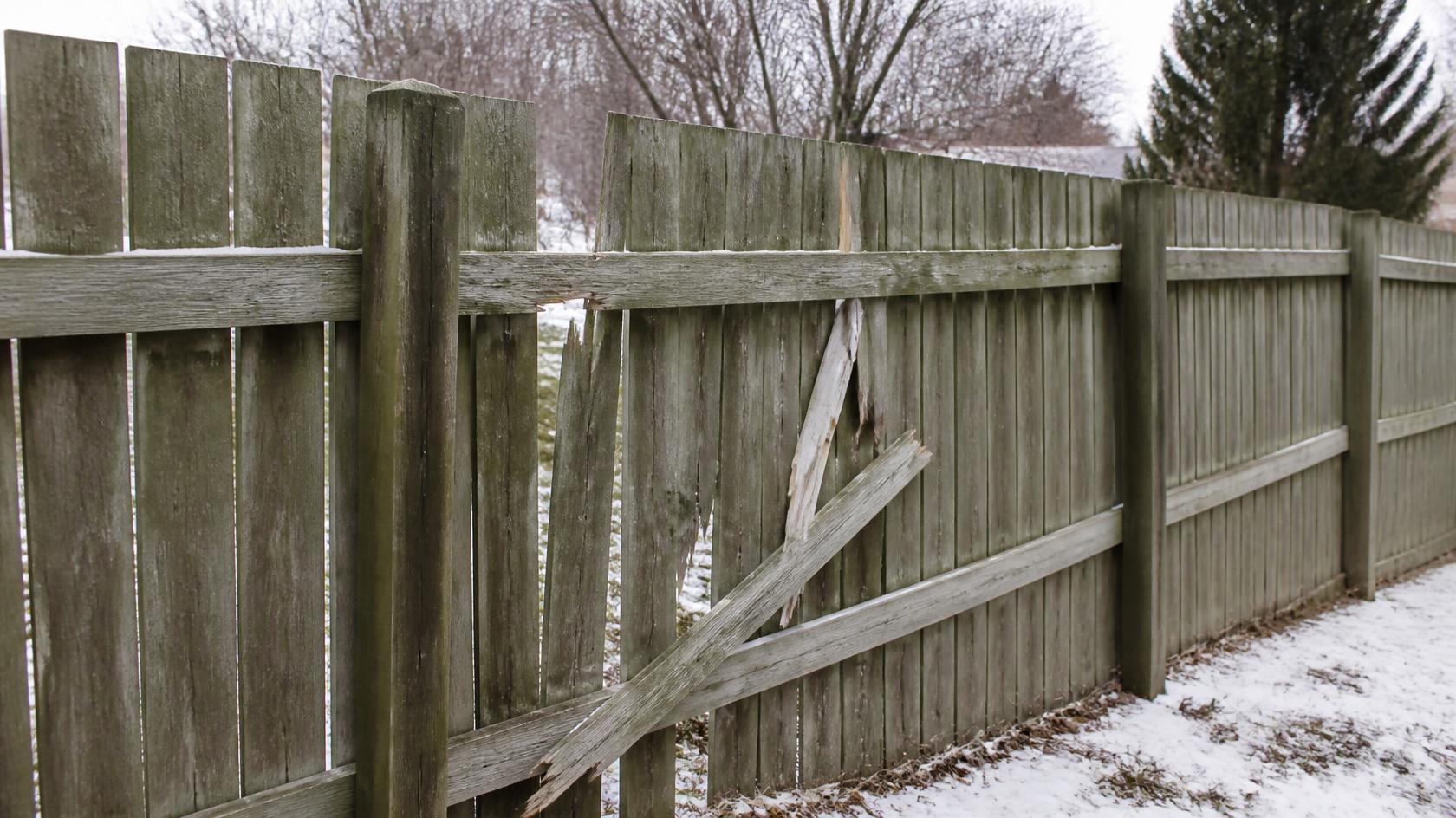
Before snow and ice arrive in Roscoe, homeowners should inspect wood fencing for loose boards, weak posts, damaged rails, sagging gates, rot, worn finishes, drainage problems, and overhanging branches. Small repairs made in fall can help prevent winter weather from putting more stress on already weakened sections.
Why Fall Is a Smart Time to Repair Wood Fencing
Wood fencing can handle years of seasonal weather, but small problems tend to become more noticeable once winter arrives.
Snow, ice, wind, moisture, and repeated freeze-thaw cycles can put extra pressure on:
Fence posts
Rails
Boards
Gates
Fasteners
Footings
Fall gives homeowners a chance to inspect the fence while the ground is still accessible and before snow begins hiding problem areas.
The goal is not to replace every older board. It is to find weak spots that could become larger repairs later.
Start With Leaning or Loose Fence Posts
Fence posts support everything around them.
A weak post can eventually affect several boards, rails, or an entire fence section.
Look for posts that:
Lean
Move when lightly pushed
Have exposed footings
Sit in washed-out soil
Show rot near the base
Pull away from connected rails
One isolated post may be repairable.
Several unstable posts may point to a larger structural issue.
Check Wood Near Ground Level
The lower part of the fence often experiences the most moisture.
Inspect areas where wood sits close to:
Soil
Grass
Mulch
Leaves
Garden beds
Watch for:
Soft wood
Darkened areas
Splitting
Crumbling material
Persistent dampness
Keeping wet debris away from the fence base can help reduce prolonged moisture exposure.
Replace Loose or Broken Boards
A single damaged board may not seem urgent, but winter wind can place more stress on it.
Check for:
Loose boards
Cracks
Splinters
Missing fasteners
Warping
Broken ends
Individual boards can often be repaired or replaced without rebuilding the entire fence section.
Addressing them before winter can also help maintain privacy and pet security.
Inspect Fence Rails
Rails connect the boards to the posts and help keep each section stable.
Look for:
Cracks
Sagging
Loose connections
Rot
Separation from posts
A damaged rail can allow several boards to move together.
If the rail is already weak before winter, wind or the weight of wet snow may make the problem worse.
Check for Rot Before It Spreads
Rot is one of the most important issues to identify in wood fencing.
Pay particular attention to:
Post bases
Lower boards
Horizontal rails
Gate frames
Areas near dense landscaping
Small isolated areas may sometimes be repaired.
Widespread rot across several structural components may indicate that replacement is becoming more practical than repeated repairs.
Test Every Gate
Gates receive more wear than most fence sections.
Open and close each gate several times.
Watch for:
Sagging
Dragging
Misaligned latches
Loose hinges
Movement in the gate post
Excessive ground clearance
A gate that is already difficult to use in fall may become even harder to operate after snow or frozen ground changes the surrounding clearance.
Tighten Loose Hardware
Fall is a good time to inspect:
Hinges
Latches
Screws
Bolts
Brackets
Fasteners
Loose hardware can allow small amounts of movement that gradually affect the rest of the fence.
Gate hardware deserves extra attention because it is used repeatedly.
Pet owners should also make sure latches close securely.
Look for Ground Gaps
Ground gaps can become larger after heavy rain, winter moisture, or spring snowmelt.
Check especially near:
Gates
Slopes
Drainage paths
Low spots
Uneven terrain
These gaps may create problems for:
Small dogs
Puppies
Privacy
Yard appearance
If erosion caused the gap, address the drainage problem rather than simply filling the opening temporarily.
Clear Leaves Away From the Fence
Fallen leaves often collect against solid wood fencing.
When they stay wet, they can:
Hold moisture against boards
Hide rot
Cover ground gaps
Block drainage
Make inspections harder
Clear leaves from:
Posts
Corners
Gate areas
Lower boards
Drainage routes
Keeping the fence line clean makes it easier to spot developing problems.
Trim Vines and Shrubs
Vegetation should not remain pressed against the fence.
Overgrown plants can:
Trap moisture
Hide damaged boards
Rub against wood
Restrict airflow
Make repairs harder
Trim shrubs and vines enough to keep the fence visible and accessible.
This is especially helpful before winter, when snow may cover the lower portion of the fence.
Check Overhanging Branches
Look above the fence as well as along it.
Branches that are already:
Dead
Cracked
Hanging low
Rubbing against the fence
may become more dangerous under snow or ice.
A falling branch can damage several boards, rails, or posts at once.
Removing obvious hazards in fall can help reduce preventable winter damage.
Inspect the Fence Finish
Wood stain or protective finish can help reduce moisture and sun exposure.
Look for:
Fading
Bare wood
Peeling
Uneven color
Surface cracking
A worn finish does not automatically mean refinishing must happen immediately.
If maintenance is planned in fall, make sure temperature, moisture, and drying conditions meet the requirements of the specific product.
Do Not Trap Moisture With Poor Timing
Fall weather can change quickly.
Avoid applying stain or sealant simply because winter is approaching.
The wood and weather conditions need to be suitable.
Applying a finish in cold, wet, or unsuitable conditions may not provide the intended result.
Follow product instructions carefully.
Check Drainage Around Posts
Water movement can create long-term problems for wood fencing.
Inspect for:
Standing water
Mud around posts
Erosion
Downspouts draining toward the fence
Exposed concrete
Low spots
Heavy fall rain and spring snowmelt can follow the same drainage paths.
If water regularly collects near posts, correcting drainage may be just as important as repairing the wood.
Watch for Soil Erosion
Erosion can reduce support around posts and create openings under the fence.
Look for:
Soil washed away from footings
Channels under panels
Lower ground near gates
Exposed post bases
Addressing the cause early can help prevent additional movement through winter and spring.
Give Privacy Fences Extra Attention
Solid wood privacy fencing catches more wind than open fence styles.
Inspect:
Posts
Rails
Corners
Connections
Gate posts
A section that already moves or leans in calm weather may experience more stress during winter storms.
Wind-exposed areas of the yard deserve particular attention.
Check Fence Corners
Corners often carry additional structural stress.
Inspect areas where:
Fence lines change direction
Heights change
Gates connect
Sloped sections begin
Look for loose rails, pulling boards, leaning posts, or gaps.
Small alignment problems at corners can spread into neighboring sections.
Prepare the Fence for Snow Removal
Think about where snow will be pushed during winter.
Avoid repeatedly piling heavy snow against:
Fence panels
Gates
Weak posts
Also leave enough room for:
Snowblowers
Shovels
Vehicles
Accidental contact from snow-removal equipment can damage already weakened wood.
Keep Gates Clear of Snow Pile Areas
If possible, avoid using the primary gate as a snow-storage area.
A gate that opens inward or outward may become unusable if snow accumulates directly around it.
Consider:
Gate swing
Shoveled pathways
Driveway snow
Pet access
Garbage container routes
Planning ahead can make winter access easier.
Repair Pet Escape Points Before Snow
Snow can hide openings along the fence line.
Before winter, inspect for:
Loose boards
Digging areas
Ground gaps
Weak gates
Broken latches
Pet owners should check the fence from inside the yard as well as outside.
A gap that is easy to see in fall may be hidden completely once snow arrives.
Check for Damage After Fall Storms
One inspection may not be enough.
Strong fall winds or heavy rain can create new problems.
After significant weather, look again for:
Leaning posts
Loose boards
Fallen branches
Gate movement
Erosion
Small repairs are often easier before winter conditions become more severe.
When Is a Simple Repair Enough?
Repair often makes sense when damage is limited to:
A few boards
One rail
Loose hardware
One gate issue
One weak post
If the rest of the fence remains stable, targeted repairs may restore function without replacing large sections.
When Should You Consider Replacement?
Replacement may be more practical when:
Several posts are failing
Rot is widespread
Multiple rails are damaged
Large sections lean
Gates repeatedly lose alignment
Repairs keep returning
Privacy or pet security is compromised
The overall condition of the fence should guide the decision.
Fall Wood Fence Repair Checklist
Before snow and ice arrive, inspect:
Posts
Boards
Rails
Gates
Hinges
Latches
Fasteners
Rot
Ground gaps
Drainage
Erosion
Leaves
Shrubs and vines
Tree branches
Snow-removal clearance
Taking photos of questionable areas can help homeowners compare the fence condition again after winter.
Request a Free Wood Fence Repair Estimate
Arrow Fence helps Roscoe homeowners address damaged wood fencing before winter, including loose boards, leaning posts, rail problems, gate issues, and aging fence sections.
Whether your fence needs targeted repairs, post work, gate adjustments, or a larger replacement, Arrow Fence can help you review practical options for your property.
Contact Arrow Fence at arrowfencerockford.com to request a free estimate for your wood fence repair project.
